
การพูด IELTS ตอนที่ 1: Travelling คำถามและคำตอบ

ส่วนที่ 1 คำถาม
ย้ายทีละคำถาม: ฟัง ตอบ เปรียบเทียบ และลองอีกครั้ง ข้อความคำถามที่สมบูรณ์จะยังคงอยู่ในหน้า HTML เพื่อการเข้าถึงและการค้นหา
- 01Do you prefer to sit by the window when travelling?
- 02Did you have a long journey with your family as a child?
อ่านบทบรรยายฉบับสมบูรณ์
ใช่ ปกติฉันจะใช้เวลาไม่น้อยในการมองออกไปนอกหน้าต่างเมื่อเดินทางโดยรถยนต์หรือรถบัส ฉันชอบมองทิวทัศน์ที่เปลี่ยนแปลงไป สังเกตรายละเอียดเล็กๆ น้อยๆ เช่น สภาพอากาศหรือสถาปัตยกรรม และมันช่วยให้ฉันผ่อนคลายและคิดได้ หากเส้นทางมีทิวทัศน์สวยงามเป็นพิเศษ ฉันจะยืนพิงหน้าต่างและเฝ้าดูเป็นเวลานาน แม้ว่าบางครั้งฉันจะเช็คโทรศัพท์หากเป็นการเดินทางไกลก็ตาม
สถานะการเตรียมการ: รอบหัวข้อที่คาดการณ์ไว้ แหล่งข้อมูลสำหรับฝึกหัดอิสระนี้ไม่ใช่ข้อสอบ IELTS อย่างเป็นทางการ และคำถามในการทดสอบอาจแตกต่างกันออกไป วิธีการติดป้ายกำกับหัวข้อ.
ดูหัวข้อก่อนพูด
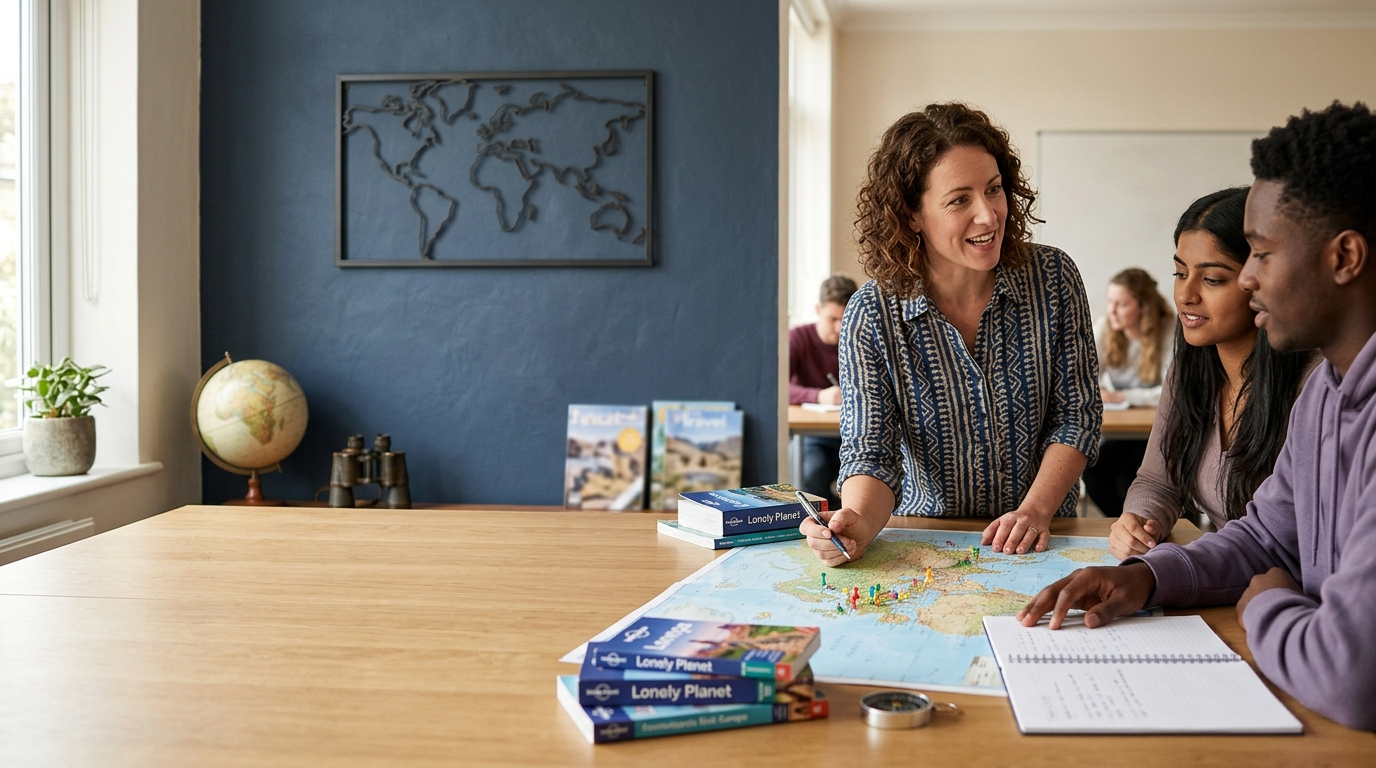
ใช้รูปภาพเป็นไอเดีย อธิบายสิ่งที่คุณสังเกตเห็น เชื่อมโยงกับประสบการณ์ของคุณ แล้วตอบคำถามจริง

โมเดลตอบ ได้ยินพร้อมๆ กัน
เริ่มต้นด้วยคำตอบที่ง่ายกว่า สลับ Band เพื่อฟังว่างานเดียวกันนี้สามารถพัฒนาได้อย่างไร จากนั้นจึงบันทึกคำตอบส่วนตัว นี่เป็นตัวอย่างการสอน ไม่ใช่คำตอบอย่างเป็นทางการหรือการรับประกันคะแนน
Do you prefer to sit by the window when travelling?
Yes, I usually like to sit by the window when I travel. I enjoy looking at the view and it helps me sleep. If the journey is short I sometimes choose the aisle so I can get up more easily.
Most of the time I pick a window seat. I find it relaxing to watch the landscape go by and it’s easier to doze off with something to lean on. That said, on short trips or when I know I’ll need to move around a lot I’ll take an aisle seat so I can stretch my legs and get to the loo without disturbing others.
I generally prefer a window seat, though it depends on the type of trip. On trains and planes a window gives you uninterrupted views and a surface to rest your head, which makes sleeping easier and the journey feel less tiring. However, if it’s a short hop or I need to work on my laptop, I’ll opt for an aisle so I can stand up and move freely. Ultimately I choose the seat that best suits how I plan to spend the time – sightseeing and resting versus getting things done.
Did you have a long journey with your family as a child?
Yes, when I was a child we had long journeys with my family. We drove to the coast and it took many hours. We played games in the car and I remember being bored but excited to reach the beach.
When I was young my family often took long car journeys, usually to the coast or to visit relatives. One trip that sticks in my mind took about six hours; we passed through lots of countryside and my parents played music while we sang along. The journey felt long at the time, but it was also a chance to talk and play games, which made us feel closer.
Yes, several long journeys with my family are still vivid in my memory. One summer we drove for nearly eight hours to a coastal town; the route wound through hills and little villages and felt endless to a child. Despite the boredom, the drive became a time for family bonding — we shared snacks, told stories and our parents taught us to spot different types of birds and farm animals. Those stretches of road taught me patience and turned travelling from a chore into something I now associate with shared memories rather than just displacement.
วิธีตอบคำถาม Travelling IELTS Speaking
This Travelling set contains 2 short interview questions. Start each answer with the information the examiner asked for, then extend it with one reason, example or contrast. The goal is spontaneous, connected speech—not a mini-essay.
- ตอบคำถามให้ตรงในประโยคแรก
- เพิ่มเหตุผลหรือรายละเอียดส่วนบุคคลที่เฉพาะเจาะจง
- ใช้ตัวอย่างหรือการเปรียบเทียบเฉพาะเมื่อมีการเพิ่มข้อมูลใหม่เท่านั้น
- จบอย่างเป็นธรรมชาติและให้ผู้คุมถามคำถามถัดไป
แนวทางคำถามต่อคำถาม
| คำถามฝึกหัด | การย้ายคำตอบที่เป็นประโยชน์ |
|---|---|
| Do you prefer to sit by the window when travelling? | ตอบโดยตรง ให้เหตุผล และเพิ่มรายละเอียดส่วนบุคคลที่เป็นธรรมชาติหนึ่งรายการ |
| Did you have a long journey with your family as a child? | ยกตัวอย่างในอดีตที่แท้จริง จากนั้นพูดว่ามีอะไรเปลี่ยนแปลงหรือเหตุใดจึงสำคัญ |
เน้นคำศัพท์
ภาษาที่มีประโยชน์แสดงให้เห็นแล้วในคำตอบของโมเดล ได้แก่ window seat, aisle seat, stretch my legs, road trip, family bonding, long haul. เรียนรู้แต่ละความหมายและคู่คำที่เป็นธรรมชาติ จากนั้นใช้รายการนั้นเป็นคำตอบใหม่แทนที่จะคัดลอกสคริปต์ที่สมบูรณ์
ข้อผิดพลาดทั่วไปที่ควรหลีกเลี่ยง
- ให้คำตอบที่จดจำซึ่งตอบคำถามเพียงบางส่วนเท่านั้น
- เติมคำศัพท์ยากๆ โดยไม่ต้องตรวจสอบความหมายหรือการจัดตำแหน่ง
- รีสตาร์ทหลังจากทุกข้อผิดพลาด แทนที่จะแก้ไขในช่วงสั้นๆ และดำเนินการต่อ
- อ่านคำตอบของแบบจำลองก่อนที่จะบันทึกความพยายามครั้งแรกของคุณเอง
คำถามที่พบบ่อยเกี่ยวกับการฝึกเดินทาง
คำตอบของฉันควรยาวแค่ไหนสำหรับการเดินทางในภาคที่ 1?
ตั้งเป้าไปที่คำตอบโดยตรงพร้อมเหตุผลหรือรายละเอียด โดยปกติแล้วจะมีสองถึงสี่ประโยค หยุดเมื่อแนวคิดเสร็จสมบูรณ์ แทนที่จะบังคับให้นับจำนวนคำคงที่
ฉันควรจำคำตอบโมเดลการเดินทางหรือไม่
ไม่ ใช้สิ่งเหล่านี้เพื่อสังเกตโครงสร้างและภาษา แล้วตอบจากประสบการณ์ของคุณเอง ถ้อยคำที่จำไว้อาจล้มเหลวเมื่อผู้ตรวจสอบเปลี่ยนคำถาม
จะเกิดอะไรขึ้นถ้าฉันไม่มีประสบการณ์ในหัวข้อนี้?
พูดอย่างนั้นอย่างตรงไปตรงมา จากนั้นอธิบายความชอบ การสังเกต หรือตัวอย่างที่เกี่ยวข้องกัน คุณได้รับการประเมินโดยใช้ภาษา ไม่ใช่ความรู้เฉพาะทาง
