
ส่วนที่ 1 คำถาม
- Do you like reading?
- Do you prefer to read on paper or on a screen?
- When do you need to read carefully, and when not?
- Do you prefer scanning or detailed reading?
สถานะการปฏิบัติ: หัวข้อที่เก็บถาวรจากรอบธนาคารคำถามครั้งก่อน ยังคงมีประโยชน์สำหรับการฝึกทักษะแต่ไม่ได้นำเสนอเป็นคำถามสอบในปัจจุบันหรือที่รับประกัน วิธีการติดป้ายกำกับหัวข้อ.
อ่านบทบรรยายฉบับสมบูรณ์
Yes, I really enjoy reading — it’s one of my favourite ways to relax and learn. I tend to read fiction for pleasure, especially contemporary novels and short stories, but I also pick up non‑fiction like popular science or biographies when I want to learn something new. I usually read in the evenings or at the weekend; it helps me switch off from screens and pick up fresh ideas.
ดูหัวข้อก่อนพูด
ใช้รูปภาพเป็นไอเดีย อธิบายสิ่งที่คุณสังเกตเห็น เชื่อมโยงกับประสบการณ์ของคุณ แล้วตอบคำถามจริง
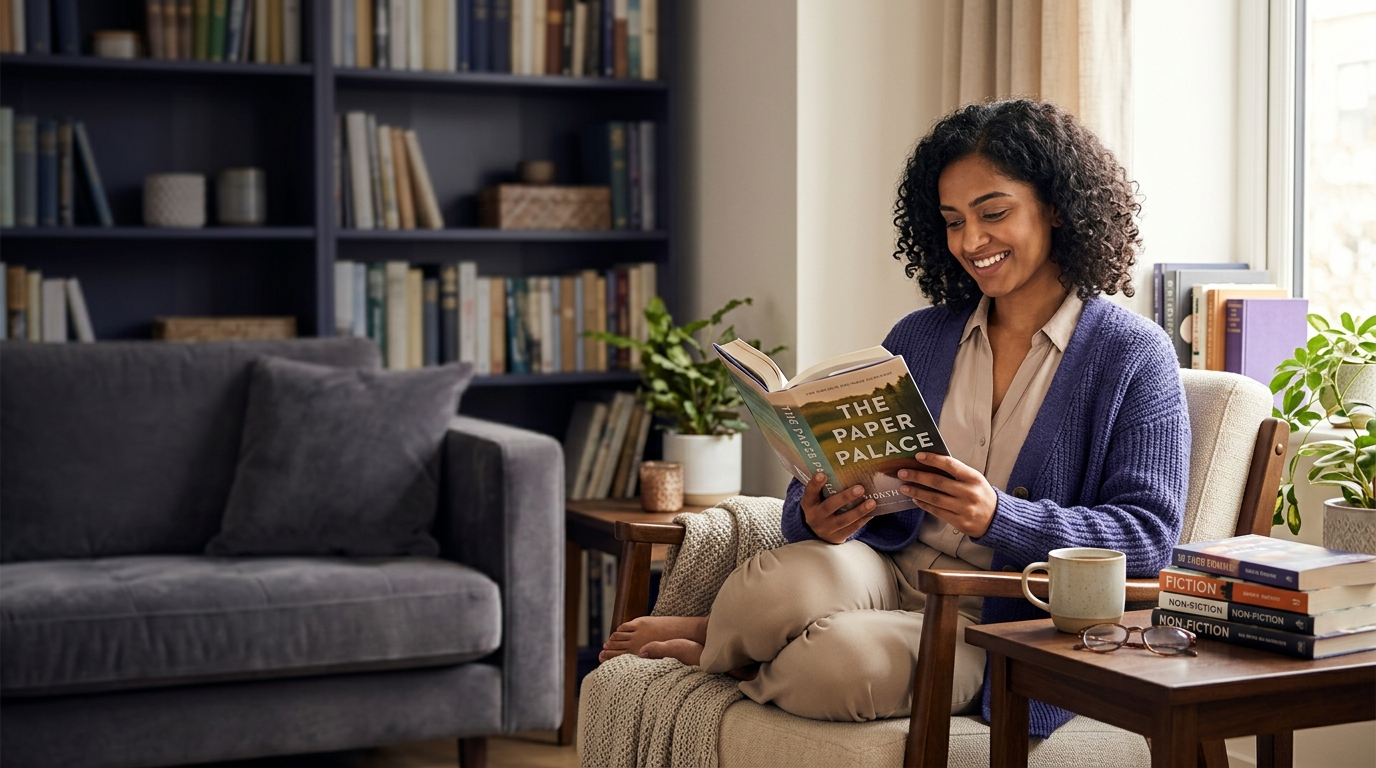

โมเดลตอบ ได้ยินพร้อมๆ กัน
เริ่มต้นด้วยคำตอบที่ง่ายกว่า สลับ Band เพื่อฟังว่างานเดียวกันนี้สามารถพัฒนาได้อย่างไร จากนั้นจึงบันทึกคำตอบส่วนตัว นี่เป็นตัวอย่างการสอน ไม่ใช่คำตอบอย่างเป็นทางการหรือการรับประกันคะแนน
Do you like reading?
Yes, I do like reading. I read quite often, mainly novels and short stories. I usually read in the evening to relax after work. I find reading helps me learn new words and it calms me down. I don't always have time, but when I do I enjoy it.
Yes, I really enjoy reading — it’s one of my favourite ways to relax and learn. I tend to read fiction for pleasure, especially contemporary novels and short stories, but I also pick up non‑fiction like popular science or biographies when I want to learn something new. I usually read in the evenings or at the weekend; it helps me switch off from screens and pick up fresh ideas.
Do you prefer to read on paper or on a screen?
I prefer to read on paper. Books feel nicer to hold and they don't hurt my eyes as much. When I need something quick, like news or a short article, I read on my phone, but for long reading I choose paper.
I generally prefer paper for long reads, like novels or non‑fiction, because it feels easier on the eyes and helps me remember the structure of the text. For quick stuff — news, emails or research — I use a screen because it’s more convenient and searchable. So it often depends on the purpose: immersion on paper, speed and convenience on screen.
When do you need to read carefully, and when not?
I need to read carefully when something is important, such as instructions, contracts or exam questions. For fun reading like magazines or light articles I don't read every word. If it's important I read slowly and maybe read it twice.
I read very carefully when the information matters — for example legal documents, technical instructions or exam papers — because missing a detail can have consequences. By contrast, when I’m browsing social media, headlines or a novel for pleasure, I’ll often skim and not worry about every sentence. Mostly it comes down to context and how serious the consequences of a mistake would be.
Do you prefer scanning or detailed reading?
I do both, but often I scan first to see if the text is useful. If it looks important I then read it in detail. Scanning saves time and detailed reading helps me understand more.
I normally use a two‑stage approach: I scan first to get an overview and decide whether the text is worth a deep read, and if it is I switch to detailed reading to analyse the arguments and note key points. That way I save time but still understand complex material when I need to.
สถานะการปฏิบัติ: หัวข้อที่เก็บถาวรจากรอบธนาคารคำถามครั้งก่อน ยังคงมีประโยชน์สำหรับการฝึกทักษะแต่ไม่ได้นำเสนอเป็นคำถามสอบในปัจจุบันหรือที่รับประกัน วิธีการติดป้ายกำกับหัวข้อ.
วิธีตอบคำถามการอ่าน IELTS การพูด
ชุดการอ่านนี้ประกอบด้วยคำถามสัมภาษณ์สั้นๆ 4 ข้อ เริ่มคำตอบแต่ละข้อด้วยข้อมูลที่ผู้สอบถาม จากนั้นขยายเหตุผลด้วยตัวอย่างหรือข้อแตกต่างเพียงข้อเดียว เป้าหมายคือคำพูดที่เชื่อมโยงและเป็นธรรมชาติ ไม่ใช่เรียงความสั้นๆ
- ตอบคำถามให้ตรงในประโยคแรก
- เพิ่มเหตุผลหรือรายละเอียดส่วนบุคคลที่เฉพาะเจาะจง
- ใช้ตัวอย่างหรือการเปรียบเทียบเฉพาะเมื่อมีการเพิ่มข้อมูลใหม่เท่านั้น
- จบอย่างเป็นธรรมชาติและให้ผู้คุมถามคำถามถัดไป
แนวทางคำถามต่อคำถาม
| คำถามฝึกหัด | การย้ายคำตอบที่เป็นประโยชน์ |
|---|---|
| Do you like reading? | ตอบโดยตรง ให้เหตุผล และเพิ่มรายละเอียดส่วนบุคคลที่เป็นธรรมชาติหนึ่งรายการ |
| Do you prefer to read on paper or on a screen? | ตอบโดยตรง ให้เหตุผล และเพิ่มรายละเอียดส่วนบุคคลที่เป็นธรรมชาติหนึ่งรายการ |
| When do you need to read carefully, and when not? | ให้คำตอบโดยตรง เหตุผลหนึ่งข้อ และตัวอย่างสั้นๆ โดยไม่ต้องจำสคริปต์ |
| Do you prefer scanning or detailed reading? | ตอบโดยตรง ให้เหตุผล และเพิ่มรายละเอียดส่วนบุคคลที่เป็นธรรมชาติหนึ่งรายการ |
เน้นคำศัพท์
ภาษาที่มีประโยชน์แสดงให้เห็นแล้วในคำตอบของโมเดล ได้แก่ relax, switch off, pick up, immersion, searchable, convenient, skim, consequences. เรียนรู้แต่ละความหมายและคู่คำที่เป็นธรรมชาติ จากนั้นใช้รายการนั้นเป็นคำตอบใหม่แทนที่จะคัดลอกสคริปต์ที่สมบูรณ์
ข้อผิดพลาดทั่วไปที่ควรหลีกเลี่ยง
- ให้คำตอบที่จดจำซึ่งตอบคำถามเพียงบางส่วนเท่านั้น
- เติมคำศัพท์ยากๆ โดยไม่ต้องตรวจสอบความหมายหรือการจัดตำแหน่ง
- รีสตาร์ทหลังจากทุกข้อผิดพลาด แทนที่จะแก้ไขในช่วงสั้นๆ และดำเนินการต่อ
- อ่านคำตอบของแบบจำลองก่อนที่จะบันทึกความพยายามครั้งแรกของคุณเอง
คำถามที่พบบ่อยเกี่ยวกับการฝึกอ่าน
คำตอบของฉันสำหรับการอ่านในภาค 1 ควรยาวนานแค่ไหน?
ตั้งเป้าไปที่คำตอบโดยตรงพร้อมเหตุผลหรือรายละเอียด โดยปกติแล้วจะมีสองถึงสี่ประโยค หยุดเมื่อแนวคิดเสร็จสมบูรณ์ แทนที่จะบังคับให้นับจำนวนคำคงที่
ฉันควรจำคำตอบของโมเดลการอ่านหรือไม่
ไม่ ใช้สิ่งเหล่านี้เพื่อสังเกตโครงสร้างและภาษา แล้วตอบจากประสบการณ์ของคุณเอง ถ้อยคำที่จำไว้อาจล้มเหลวเมื่อผู้ตรวจสอบเปลี่ยนคำถาม
จะเกิดอะไรขึ้นถ้าฉันไม่มีประสบการณ์ในหัวข้อนี้?
พูดอย่างนั้นอย่างตรงไปตรงมา จากนั้นอธิบายความชอบ การสังเกต หรือตัวอย่างที่เกี่ยวข้องกัน คุณได้รับการประเมินโดยใช้ภาษา ไม่ใช่ความรู้เฉพาะทาง
