
パート 1 の質問
- Do you like reading?
- Do you prefer to read on paper or on a screen?
- When do you need to read carefully, and when not?
- Do you prefer scanning or detailed reading?
実践ステータス: 以前の質問バンク サイクルからアーカイブされたトピック。これはスキルの練習には役立ちますが、現在の試験問題または保証された試験問題としては提示されません。 トピックのラベル付け方法.
完全なトランスクリプトを読む
Yes, I really enjoy reading — it’s one of my favourite ways to relax and learn. I tend to read fiction for pleasure, especially contemporary novels and short stories, but I also pick up non‑fiction like popular science or biographies when I want to learn something new. I usually read in the evenings or at the weekend; it helps me switch off from screens and pick up fresh ideas.
話す前にトピックを確認する
画像をアイデアのヒントとして使用します。気づいたことを説明し、それを自分の経験に結び付けてから、本当の質問に答えてください。
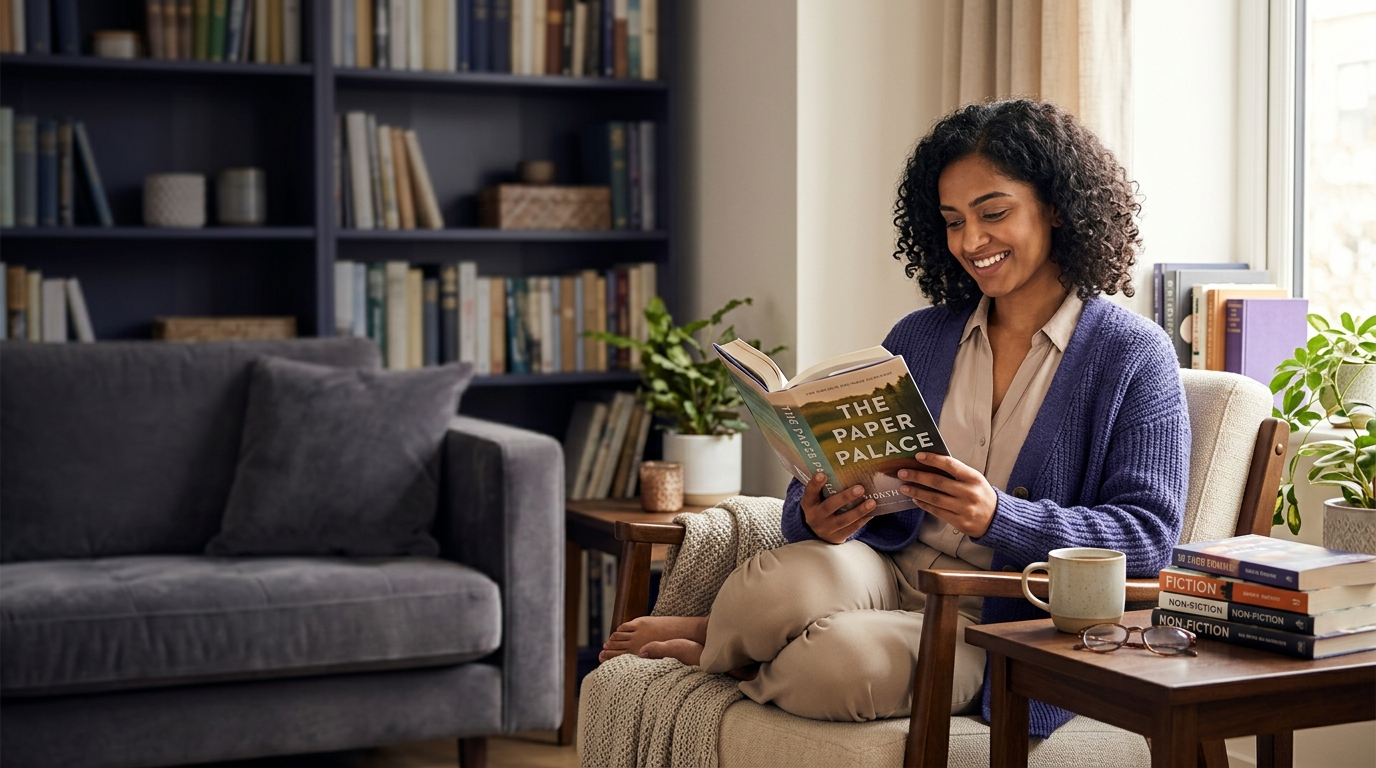
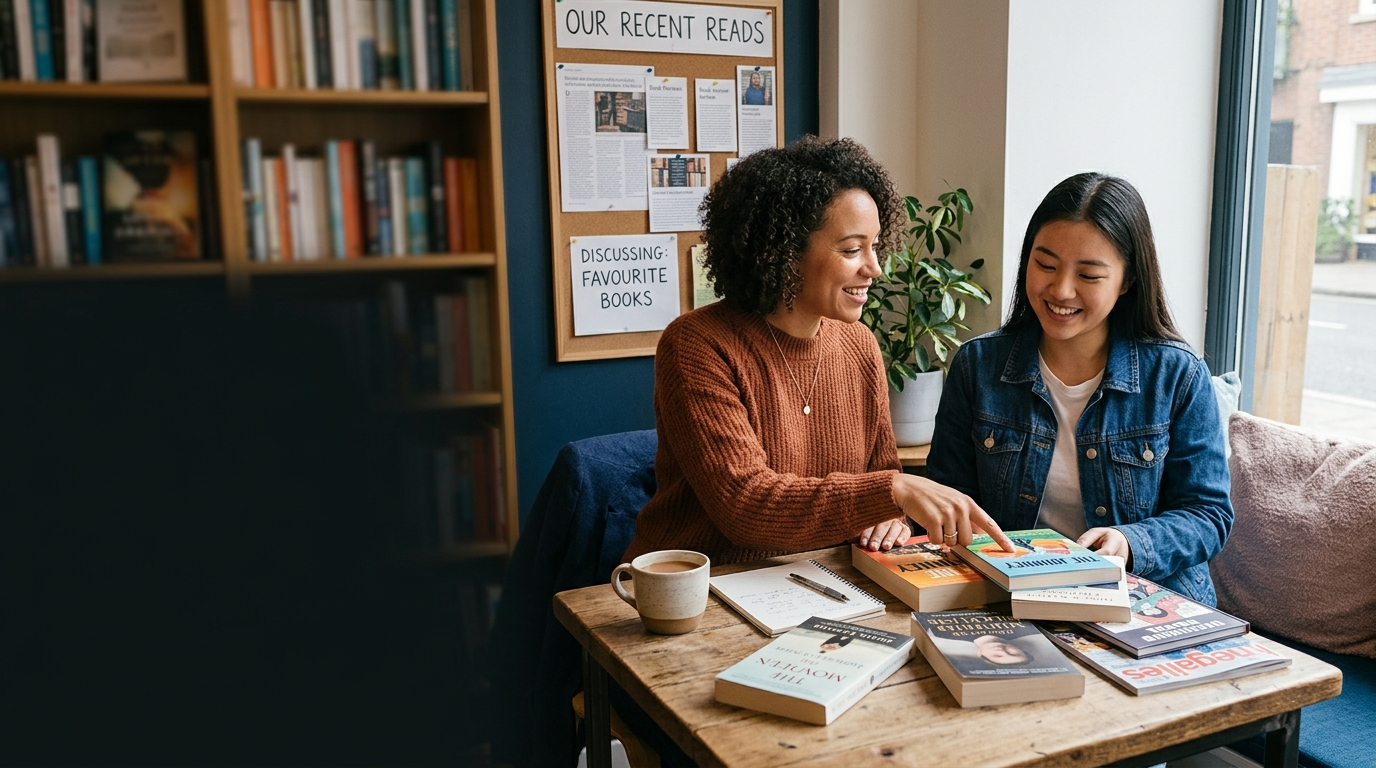
模範解答を並べて聞く
より単純な答えから始めて、Band を切り替えて、同じタスクをどのように開発できるかを聞き、それから個人的な応答を記録します。これらは指導例であり、正式な解答やスコアの保証ではありません。
Do you like reading?
Yes, I do like reading. I read quite often, mainly novels and short stories. I usually read in the evening to relax after work. I find reading helps me learn new words and it calms me down. I don't always have time, but when I do I enjoy it.
Yes, I really enjoy reading — it’s one of my favourite ways to relax and learn. I tend to read fiction for pleasure, especially contemporary novels and short stories, but I also pick up non‑fiction like popular science or biographies when I want to learn something new. I usually read in the evenings or at the weekend; it helps me switch off from screens and pick up fresh ideas.
Do you prefer to read on paper or on a screen?
I prefer to read on paper. Books feel nicer to hold and they don't hurt my eyes as much. When I need something quick, like news or a short article, I read on my phone, but for long reading I choose paper.
I generally prefer paper for long reads, like novels or non‑fiction, because it feels easier on the eyes and helps me remember the structure of the text. For quick stuff — news, emails or research — I use a screen because it’s more convenient and searchable. So it often depends on the purpose: immersion on paper, speed and convenience on screen.
When do you need to read carefully, and when not?
I need to read carefully when something is important, such as instructions, contracts or exam questions. For fun reading like magazines or light articles I don't read every word. If it's important I read slowly and maybe read it twice.
I read very carefully when the information matters — for example legal documents, technical instructions or exam papers — because missing a detail can have consequences. By contrast, when I’m browsing social media, headlines or a novel for pleasure, I’ll often skim and not worry about every sentence. Mostly it comes down to context and how serious the consequences of a mistake would be.
Do you prefer scanning or detailed reading?
I do both, but often I scan first to see if the text is useful. If it looks important I then read it in detail. Scanning saves time and detailed reading helps me understand more.
I normally use a two‑stage approach: I scan first to get an overview and decide whether the text is worth a deep read, and if it is I switch to detailed reading to analyse the arguments and note key points. That way I save time but still understand complex material when I need to.
実践ステータス: 以前の質問バンク サイクルからアーカイブされたトピック。これはスキルの練習には役立ちますが、現在の試験問題または保証された試験問題としては提示されません。 トピックのラベル付け方法.
リーディング IELTS スピーキングの質問への答え方
このリーディング セットには、4 つの短いインタビューの質問が含まれています。各回答は試験官が求めた情報から始めて、次に 1 つの理由、例、または対比を加えて拡張します。目標は、ミニエッセイではなく、自発的でつながりのあるスピーチです。
- 最初の文の質問に正確に答えてください。
- 理由または具体的な個人情報を 1 つ追加します。
- 例や対比は、新しい情報を追加する場合にのみ使用してください。
- 自然に終了し、試験官に次の質問をさせます。
質問ごとのアプローチ
| 練習問題 | 役に立つ答えの動き |
|---|---|
| Do you like reading? | 直接答え、理由を述べ、自然な個人的な詳細を 1 つ追加してください。 |
| Do you prefer to read on paper or on a screen? | 直接答え、理由を述べ、自然な個人的な詳細を 1 つ追加してください。 |
| When do you need to read carefully, and when not? | スクリプトを暗記せずに、直接的な答え、理由を 1 つ、短い例を述べてください。 |
| Do you prefer scanning or detailed reading? | 直接答え、理由を述べ、自然な個人的な詳細を 1 つ追加してください。 |
語彙に焦点を当てる
模範解答で既に示されている有用な文言には次のようなものがあります。 relax, switch off, pick up, immersion, searchable, convenient, skim, consequences。それぞれの意味と自然な単語の連携を学び、完全な台本をコピーするのではなく、新しい回答でその項目を使用します。
避けるべきよくある間違い
- 質問に対して部分的にしか答えていない、暗記した回答をする。
- 意味やコロケーションを確認せずに、難しい語彙を追加する。
- エラーが発生するたびに、簡単に修正して続行するのではなく、再起動します。
- 自分の最初の解答を記録する前に、模範解答を読んでください。
読解練習に関するよくある質問
パート 1 のリーディングの回答はどのくらいの長さにすればよいですか?
直接的な回答と理由または詳細を、通常は 2 ~ 4 文で回答することを目指します。固定語数を強制するのではなく、アイデアが完成したら停止します。
リーディングの模範解答は暗記したほうがいいでしょうか?
いいえ。それらを使用して構造と言語に気づき、自分の経験から答えてください。暗記した言葉遣いは、試験官が質問を変えると失敗する可能性があります。
トピックに関する経験がない場合はどうすればよいですか?
それを正直に述べてから、関連する好み、観察、または仮説の例を説明します。専門知識ではなく、言語によって評価されます。
