
パート 1 の質問
- What sports do you like?
- Where did you learn how to do it?
- Did you do some sports when you were young?
- Do you think students need more exercise?
- Do you know any schoolmates who are good at sports?
- Do you think it is important for people to exercise?
- Should schools encourage young students to take more physical exercise?
実践ステータス: 以前の質問バンク サイクルからアーカイブされたトピック。これはスキルの練習には役立ちますが、現在の試験問題または保証された試験問題としては提示されません。 トピックのラベル付け方法.
完全なトランスクリプトを読む
I enjoy a mix of team and solo sports — mainly football and swimming, and I go cycling when the weather’s good. Football gives me that team buzz and friendly competition, while swimming and cycling help me clear my head and build endurance. I try to fit at least a few sessions into my week so I don’t get too sedentary.
話す前にトピックを確認する
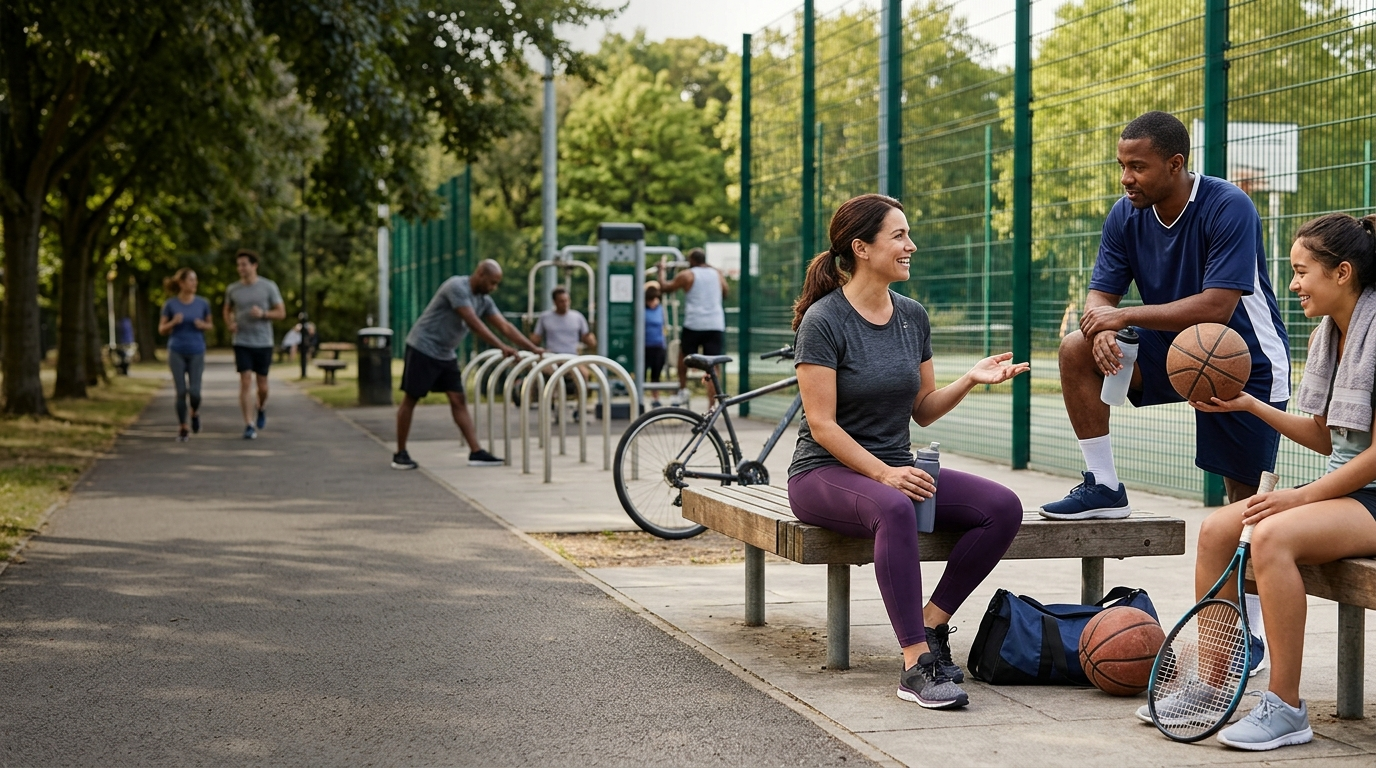
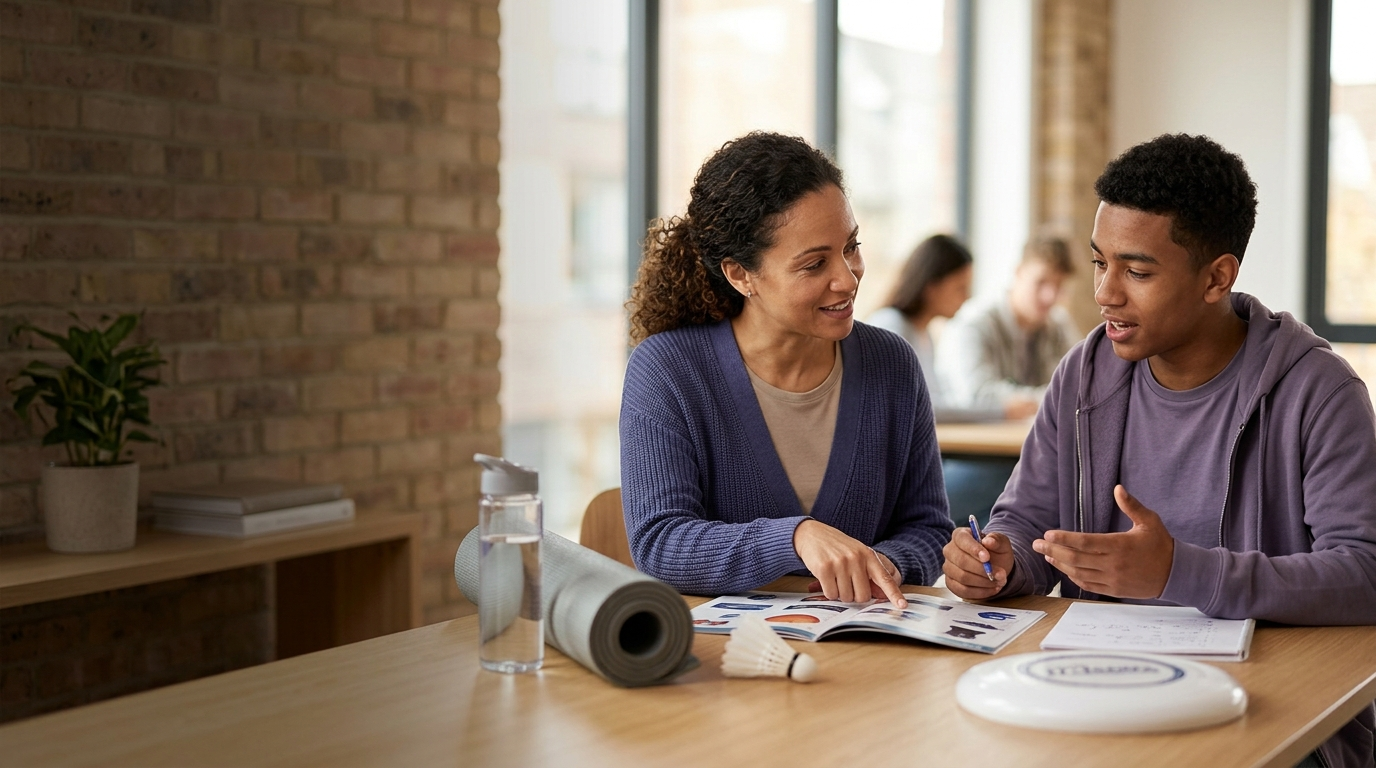
画像をアイデアのヒントとして使用します。気づいたことを説明し、それを自分の経験に結び付けてから、本当の質問に答えてください。
模範解答を並べて聞く
より単純な答えから始めて、Band を切り替えて、同じタスクをどのように開発できるかを聞き、それから個人的な応答を記録します。これらは指導例であり、正式な解答やスコアの保証ではありません。
What sports do you like?
I like football and swimming the most. I play football with friends at the weekend and I go swimming once or twice a week to relax. Sometimes I also go for runs if I have time.
I enjoy a mix of team and solo sports — mainly football and swimming, and I go cycling when the weather’s good. Football gives me that team buzz and friendly competition, while swimming and cycling help me clear my head and build endurance. I try to fit at least a few sessions into my week so I don’t get too sedentary.
Where did you learn how to do it?
I learned to play football at school and in a local club. For swimming I had lessons when I was small and then practised at the community pool.
I picked up football at primary school and then joined a local club where a coach taught me tactical skills and teamwork. Swimming started with lessons when I was quite young, and later I refined my technique at the community pool and from online tutorials for drills. Having a coach early on made a big difference to my basics and confidence.
Did you do some sports when you were young?
Yes, I did a lot of sport as a child. I played football and did swimming lessons. It was part of after-school activities.
Definitely — I was quite active as a youngster. I did football, went swimming and tried athletics at school. My parents also encouraged outdoor play, so I was always running about or riding my bike, which helped me develop basic fitness and coordination early on.
Do you think students need more exercise?
Yes, students need more exercise because it helps them stay healthy. Many spend too long sitting and that is bad for them.
I think students generally would benefit from more exercise. Apart from physical health, short regular activity boosts concentration and reduces stress — both important for learning. With so much screen time these days, building movement into the day, even through short breaks or active lessons, would be a sensible approach.
Do you know any schoolmates who are good at sports?
Yes, a few of my schoolmates are really good at sports. One friend was captain of the football team and another was strong at athletics.
Yes, I can think of several classmates who excelled in different sports. One of them captained the school football team and went on to play for a county side, while another was outstanding at athletics, winning regional events. They trained regularly, balanced studies and sport, and acted as role models for the rest of us.
Do you think it is important for people to exercise?
Yes, it is important for people to exercise. It keeps you fit and healthy and can stop you getting ill.
Absolutely — regular exercise is important across all ages. It reduces the risk of chronic illnesses, improves mood and sleep, and helps maintain mobility as you get older. Beyond health, exercise is great for social interaction and stress relief, so it’s a key part of a balanced life.
Should schools encourage young students to take more physical exercise?
Yes, schools should encourage more physical exercise. It would make children healthier and more active. PE lessons should be regular.
Yes, schools should actively encourage more physical activity and make it accessible for everyone. That could mean more varied PE options, daily short activity breaks, and well-supported extracurricular clubs so pupils find something they enjoy. Making exercise fun and inclusive is crucial — that way even less sporty kids are more likely to take part.
実践ステータス: 以前の質問バンク サイクルからアーカイブされたトピック。これはスキルの練習には役立ちますが、現在の試験問題または保証された試験問題としては提示されません。 トピックのラベル付け方法.
スポーツをする IELTS スピーキングの質問に答える方法
この Doing Sports セットには、7 つの短い面接の質問が含まれています。各回答は試験官が求めた情報から始めて、次に 1 つの理由、例、または対比を加えて拡張します。目標は、ミニエッセイではなく、自発的でつながりのあるスピーチです。
- 最初の文の質問に正確に答えてください。
- 理由または具体的な個人情報を 1 つ追加します。
- 例や対比は、新しい情報を追加する場合にのみ使用してください。
- 自然に終了し、試験官に次の質問をさせます。
質問ごとのアプローチ
| 練習問題 | 役に立つ答えの動き |
|---|---|
| What sports do you like? | まず物に名前を付けてから、具体的な機能や例を説明します。 |
| Where did you learn how to do it? | スクリプトを暗記せずに、直接的な答え、理由を 1 つ、短い例を述べてください。 |
| Did you do some sports when you were young? | 実際の過去の例を挙げて、何が変わったのか、なぜそれが重要なのかを述べます。 |
| Do you think students need more exercise? | 考えられる見解を述べ、その理由を説明し、条件または例を 1 つ追加します。 |
語彙に焦点を当てる
模範解答で既に示されている有用な文言には次のようなものがあります。 team buzz, clear my head, endurance, local club, refine my technique, tactical skills, after-school activities, coordination。それぞれの意味と自然な単語の連携を学び、完全な台本をコピーするのではなく、新しい回答でその項目を使用します。
避けるべきよくある間違い
- 質問に対して部分的にしか答えていない、暗記した回答をする。
- 意味やコロケーションを確認せずに、難しい語彙を追加する。
- エラーが発生するたびに、簡単に修正して続行するのではなく、再起動します。
- 自分の最初の解答を記録する前に、模範解答を読んでください。
スポーツの練習に関するよくある質問
パート 1 の「スポーツをする」についての回答はどのくらいの長さにすればよいですか?
直接的な回答と理由または詳細を、通常は 2 ~ 4 文で回答することを目指します。固定語数を強制するのではなく、アイデアが完成したら停止します。
Doing Sports の模範解答を暗記する必要がありますか?
いいえ。それらを使用して構造と言語に気づき、自分の経験から答えてください。暗記した言葉遣いは、試験官が質問を変えると失敗する可能性があります。
トピックに関する経験がない場合はどうすればよいですか?
それを正直に述べてから、関連する好み、観察、または仮説の例を説明します。専門知識ではなく、言語によって評価されます。
