
파트 1 질문
- What sports do you like?
- Where did you learn how to do it?
- Did you do some sports when you were young?
- Do you think students need more exercise?
- Do you know any schoolmates who are good at sports?
- Do you think it is important for people to exercise?
- Should schools encourage young students to take more physical exercise?
연습 상태: 이전 문제 은행 주기에서 보관된 주제입니다. 기술 연습에는 여전히 유용하지만 현재 또는 보장된 시험 문제로 제시되지는 않습니다. 주제에 라벨을 지정하는 방법.
전체 내용 읽기
I enjoy a mix of team and solo sports — mainly football and swimming, and I go cycling when the weather’s good. Football gives me that team buzz and friendly competition, while swimming and cycling help me clear my head and build endurance. I try to fit at least a few sessions into my week so I don’t get too sedentary.
말하기 전에 주제를 살펴보세요
이미지를 아이디어 프롬프트로 사용하세요. 발견한 사항을 설명하고 이를 경험과 연결한 다음 실제 질문에 답하세요.
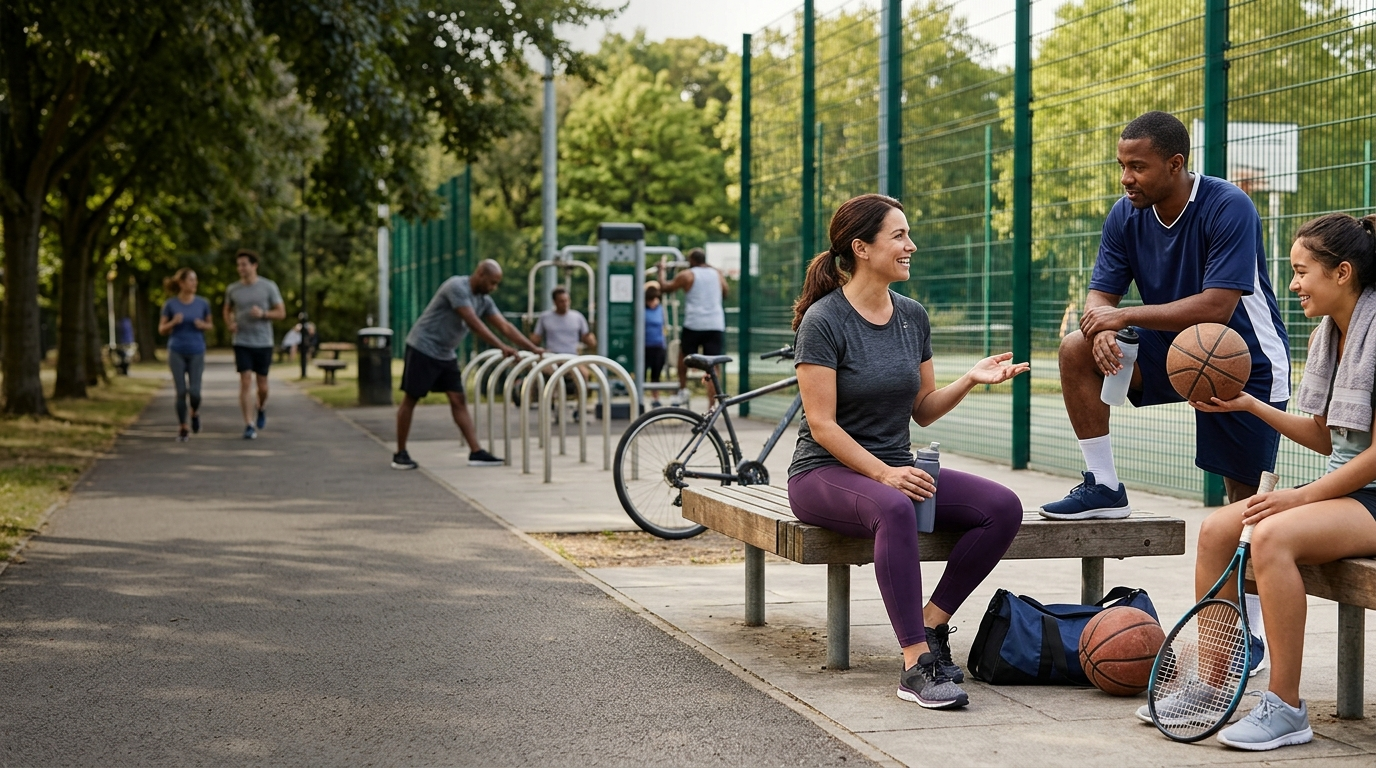
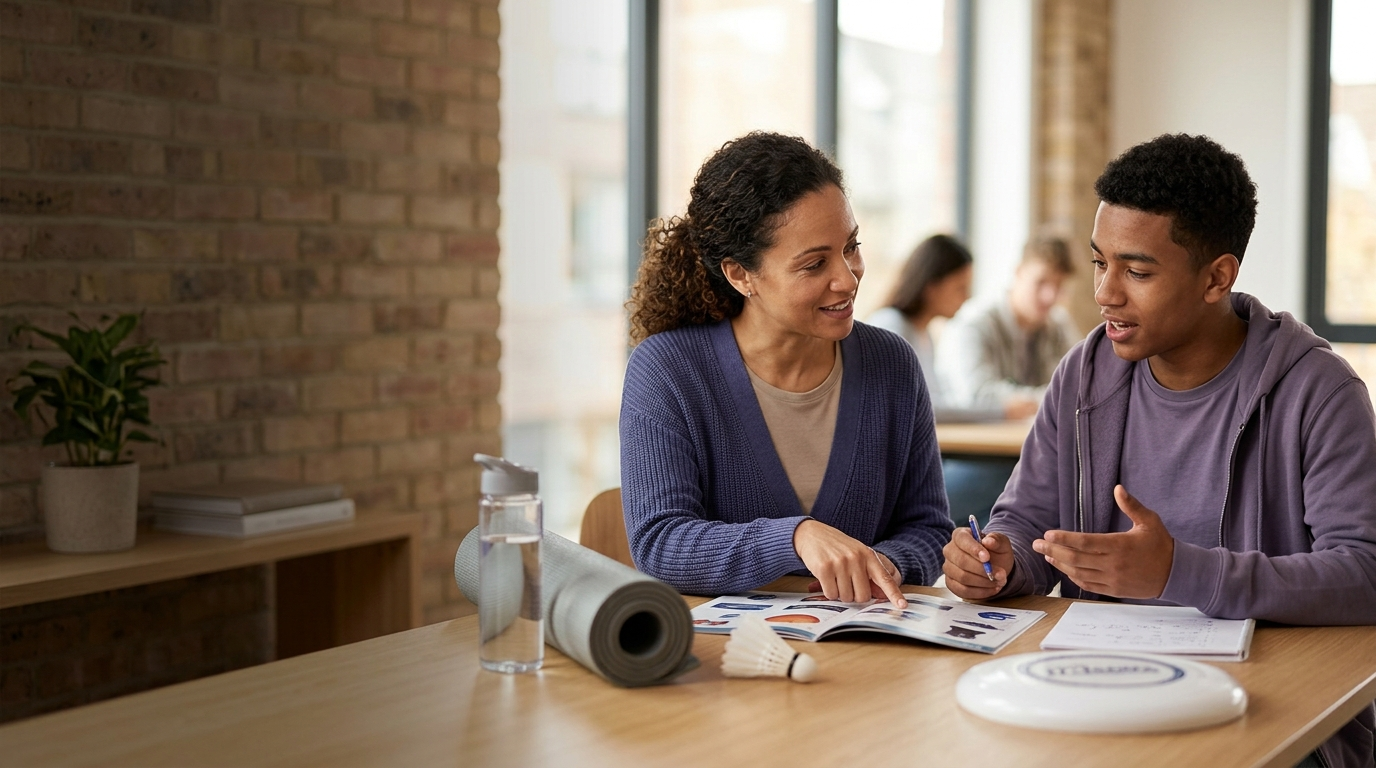
모델 답변을 나란히 들음
더 간단한 답변부터 시작하여 Band를 전환하여 동일한 작업이 어떻게 개발될 수 있는지 듣고 개인 응답을 녹음하세요. 이것은 공식적인 답변이나 점수 보장이 아닌 교육용 예시입니다.
What sports do you like?
I like football and swimming the most. I play football with friends at the weekend and I go swimming once or twice a week to relax. Sometimes I also go for runs if I have time.
I enjoy a mix of team and solo sports — mainly football and swimming, and I go cycling when the weather’s good. Football gives me that team buzz and friendly competition, while swimming and cycling help me clear my head and build endurance. I try to fit at least a few sessions into my week so I don’t get too sedentary.
Where did you learn how to do it?
I learned to play football at school and in a local club. For swimming I had lessons when I was small and then practised at the community pool.
I picked up football at primary school and then joined a local club where a coach taught me tactical skills and teamwork. Swimming started with lessons when I was quite young, and later I refined my technique at the community pool and from online tutorials for drills. Having a coach early on made a big difference to my basics and confidence.
Did you do some sports when you were young?
Yes, I did a lot of sport as a child. I played football and did swimming lessons. It was part of after-school activities.
Definitely — I was quite active as a youngster. I did football, went swimming and tried athletics at school. My parents also encouraged outdoor play, so I was always running about or riding my bike, which helped me develop basic fitness and coordination early on.
Do you think students need more exercise?
Yes, students need more exercise because it helps them stay healthy. Many spend too long sitting and that is bad for them.
I think students generally would benefit from more exercise. Apart from physical health, short regular activity boosts concentration and reduces stress — both important for learning. With so much screen time these days, building movement into the day, even through short breaks or active lessons, would be a sensible approach.
Do you know any schoolmates who are good at sports?
Yes, a few of my schoolmates are really good at sports. One friend was captain of the football team and another was strong at athletics.
Yes, I can think of several classmates who excelled in different sports. One of them captained the school football team and went on to play for a county side, while another was outstanding at athletics, winning regional events. They trained regularly, balanced studies and sport, and acted as role models for the rest of us.
Do you think it is important for people to exercise?
Yes, it is important for people to exercise. It keeps you fit and healthy and can stop you getting ill.
Absolutely — regular exercise is important across all ages. It reduces the risk of chronic illnesses, improves mood and sleep, and helps maintain mobility as you get older. Beyond health, exercise is great for social interaction and stress relief, so it’s a key part of a balanced life.
Should schools encourage young students to take more physical exercise?
Yes, schools should encourage more physical exercise. It would make children healthier and more active. PE lessons should be regular.
Yes, schools should actively encourage more physical activity and make it accessible for everyone. That could mean more varied PE options, daily short activity breaks, and well-supported extracurricular clubs so pupils find something they enjoy. Making exercise fun and inclusive is crucial — that way even less sporty kids are more likely to take part.
연습 상태: 이전 문제 은행 주기에서 보관된 주제입니다. 기술 연습에는 여전히 유용하지만 현재 또는 보장된 시험 문제로 제시되지는 않습니다. 주제에 라벨을 지정하는 방법.
스포츠 IELTS 말하기 질문에 대답하는 방법
이 스포츠 활동 세트에는 7개의 짧은 인터뷰 질문이 포함되어 있습니다. 시험관이 요청한 정보로 각 답변을 시작한 다음 한 가지 이유, 예 또는 대조로 확장하세요. 목표는 짧은 에세이가 아닌 자연스럽고 연결된 연설입니다.
- 첫 번째 문장의 정확한 질문에 답하세요.
- 한 가지 이유나 구체적인 개인 정보를 추가하세요.
- 새로운 정보를 추가할 때만 예나 대조를 사용하십시오.
- 자연스럽게 마무리하고 시험관이 다음 질문을 하도록 하십시오.
질문별 접근 방식
| 연습문제 | 유용한 답변 이동 |
|---|---|
| What sports do you like? | 먼저 사물의 이름을 지정한 다음 구체적인 특징이나 예를 설명하세요. |
| Where did you learn how to do it? | 대본을 외우지 않고 직접 답변하고 이유 하나와 간단한 예를 들어보세요. |
| Did you do some sports when you were young? | 과거의 실제 사례를 들고 무엇이 바뀌었는지, 왜 중요한지 말해보세요. |
| Do you think students need more exercise? | 가능한 견해를 기술하고 이유를 설명하고 하나의 조건이나 예를 추가하십시오. |
어휘 집중
모델 답변에서 이미 입증된 유용한 언어는 다음과 같습니다. team buzz, clear my head, endurance, local club, refine my technique, tactical skills, after-school activities, coordination. 각 의미와 자연스러운 단어 파트너십을 배운 다음 전체 스크립트를 복사하는 대신 새로운 답변에 항목을 사용하십시오.
피해야 할 일반적인 실수
- 질문에 부분적으로만 대답하는 암기된 답변을 제공합니다.
- 의미나 배열을 확인하지 않고 어려운 어휘를 추가합니다.
- 잠시 수정하고 계속하는 대신 오류가 발생할 때마다 다시 시작합니다.
- 첫 번째 시도를 기록하기 전에 모범 답변을 읽어보세요.
스포츠 연습 FAQ
1부의 스포츠 활동에 대한 답변은 얼마나 길어야 합니까?
직접적인 답변과 이유 또는 세부 사항을 목표로 하세요. 일반적으로 2~4개의 문장으로 구성됩니다. 고정된 단어 수를 강요하기보다는 아이디어가 완성되면 중지하세요.
스포츠하기 모델 답변을 외워야 할까요?
아니요. 구조와 언어를 파악하기 위해 이를 사용하고 자신의 경험을 바탕으로 답변하십시오. 시험관이 문제를 변경하면 암기한 표현이 실패할 수 있습니다.
해당 주제에 대한 경험이 없으면 어떻게 되나요?
솔직하게 말한 다음 관련된 선호도, 관찰 또는 가상의 예를 설명하십시오. 전문 지식이 아닌 언어로 평가됩니다.
