
Câu hỏi phần 1
- What sports do you like?
- Where did you learn how to do it?
- Did you do some sports when you were young?
- Do you think students need more exercise?
- Do you know any schoolmates who are good at sports?
- Do you think it is important for people to exercise?
- Should schools encourage young students to take more physical exercise?
Trạng thái thực hành: Chủ đề được lưu trữ từ chu kỳ ngân hàng câu hỏi trước đó. Nó vẫn hữu ích cho việc thực hành kỹ năng nhưng không được trình bày dưới dạng câu hỏi thi hiện tại hoặc được đảm bảo. Cách gắn nhãn chủ đề.
Đọc bản ghi đầy đủ
I enjoy a mix of team and solo sports — mainly football and swimming, and I go cycling when the weather’s good. Football gives me that team buzz and friendly competition, while swimming and cycling help me clear my head and build endurance. I try to fit at least a few sessions into my week so I don’t get too sedentary.
Xem chủ đề trước khi nói
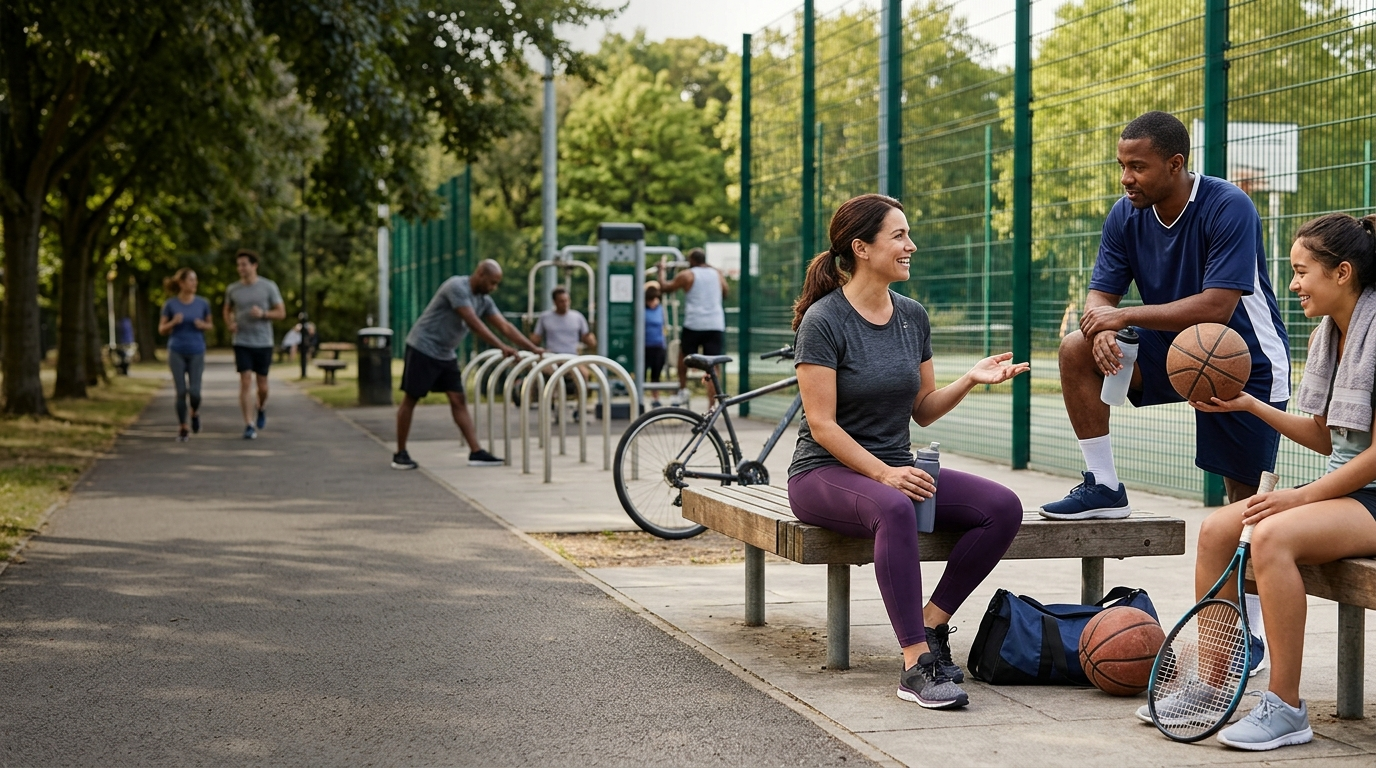
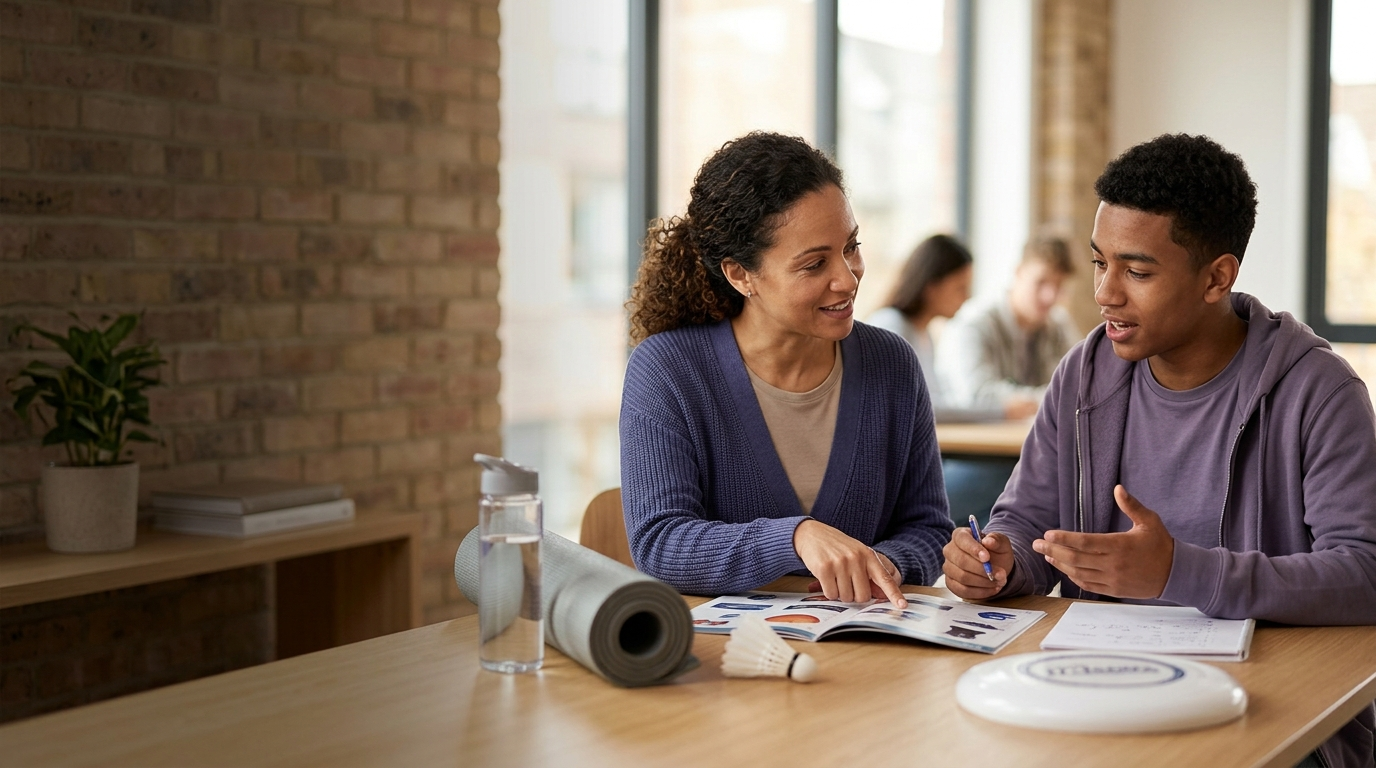
Sử dụng hình ảnh làm gợi ý tưởng. Mô tả những gì bạn nhận thấy, kết nối nó với trải nghiệm của bạn, sau đó trả lời câu hỏi thực sự.
Những câu trả lời mẫu, được nghe cạnh nhau
Bắt đầu với câu trả lời đơn giản hơn, chuyển Band để nghe cách phát triển nhiệm vụ tương tự, sau đó ghi lại câu trả lời cá nhân. Đây là những ví dụ giảng dạy, không phải câu trả lời chính thức hoặc đảm bảo điểm số.
What sports do you like?
I like football and swimming the most. I play football with friends at the weekend and I go swimming once or twice a week to relax. Sometimes I also go for runs if I have time.
I enjoy a mix of team and solo sports — mainly football and swimming, and I go cycling when the weather’s good. Football gives me that team buzz and friendly competition, while swimming and cycling help me clear my head and build endurance. I try to fit at least a few sessions into my week so I don’t get too sedentary.
Where did you learn how to do it?
I learned to play football at school and in a local club. For swimming I had lessons when I was small and then practised at the community pool.
I picked up football at primary school and then joined a local club where a coach taught me tactical skills and teamwork. Swimming started with lessons when I was quite young, and later I refined my technique at the community pool and from online tutorials for drills. Having a coach early on made a big difference to my basics and confidence.
Did you do some sports when you were young?
Yes, I did a lot of sport as a child. I played football and did swimming lessons. It was part of after-school activities.
Definitely — I was quite active as a youngster. I did football, went swimming and tried athletics at school. My parents also encouraged outdoor play, so I was always running about or riding my bike, which helped me develop basic fitness and coordination early on.
Do you think students need more exercise?
Yes, students need more exercise because it helps them stay healthy. Many spend too long sitting and that is bad for them.
I think students generally would benefit from more exercise. Apart from physical health, short regular activity boosts concentration and reduces stress — both important for learning. With so much screen time these days, building movement into the day, even through short breaks or active lessons, would be a sensible approach.
Do you know any schoolmates who are good at sports?
Yes, a few of my schoolmates are really good at sports. One friend was captain of the football team and another was strong at athletics.
Yes, I can think of several classmates who excelled in different sports. One of them captained the school football team and went on to play for a county side, while another was outstanding at athletics, winning regional events. They trained regularly, balanced studies and sport, and acted as role models for the rest of us.
Do you think it is important for people to exercise?
Yes, it is important for people to exercise. It keeps you fit and healthy and can stop you getting ill.
Absolutely — regular exercise is important across all ages. It reduces the risk of chronic illnesses, improves mood and sleep, and helps maintain mobility as you get older. Beyond health, exercise is great for social interaction and stress relief, so it’s a key part of a balanced life.
Should schools encourage young students to take more physical exercise?
Yes, schools should encourage more physical exercise. It would make children healthier and more active. PE lessons should be regular.
Yes, schools should actively encourage more physical activity and make it accessible for everyone. That could mean more varied PE options, daily short activity breaks, and well-supported extracurricular clubs so pupils find something they enjoy. Making exercise fun and inclusive is crucial — that way even less sporty kids are more likely to take part.
Trạng thái thực hành: Chủ đề được lưu trữ từ chu kỳ ngân hàng câu hỏi trước đó. Nó vẫn hữu ích cho việc thực hành kỹ năng nhưng không được trình bày dưới dạng câu hỏi thi hiện tại hoặc được đảm bảo. Cách gắn nhãn chủ đề.
Cách trả lời câu hỏi Nói IELTS về Thể thao
Bộ Working Sports này bao gồm 7 câu hỏi phỏng vấn ngắn. Bắt đầu mỗi câu trả lời với thông tin mà giám khảo yêu cầu, sau đó mở rộng nó bằng một lý do, ví dụ hoặc sự tương phản. Mục tiêu là bài phát biểu tự nhiên, có tính kết nối—không phải một bài luận ngắn.
- Trả lời chính xác câu hỏi ở câu đầu tiên.
- Thêm một lý do hoặc chi tiết cá nhân cụ thể.
- Chỉ sử dụng một ví dụ hoặc sự tương phản khi nó bổ sung thêm thông tin mới.
- Hãy kết thúc một cách tự nhiên và để giám khảo hỏi câu hỏi tiếp theo.
Cách tiếp cận theo từng câu hỏi
| Câu hỏi thực hành | Câu trả lời hữu ích di chuyển |
|---|---|
| What sports do you like? | Đặt tên cho sự vật trước, sau đó mô tả một tính năng hoặc ví dụ cụ thể. |
| Where did you learn how to do it? | Đưa ra câu trả lời trực tiếp, một lý do và một ví dụ ngắn mà không cần ghi nhớ kịch bản. |
| Did you do some sports when you were young? | Đưa ra một ví dụ thực tế trong quá khứ, sau đó nói điều gì đã thay đổi hoặc tại sao nó lại quan trọng. |
| Do you think students need more exercise? | Đưa ra một quan điểm có khả năng xảy ra, giải thích lý do và thêm một điều kiện hoặc ví dụ. |
Trọng tâm từ vựng
Ngôn ngữ hữu ích đã được trình bày trong các câu trả lời mẫu bao gồm team buzz, clear my head, endurance, local club, refine my technique, tactical skills, after-school activities, coordination. Tìm hiểu từng nghĩa và cách kết hợp từ tự nhiên, sau đó sử dụng mục đó trong câu trả lời mới thay vì sao chép toàn bộ văn bản.
Những lỗi thường gặp cần tránh
- Đưa ra một câu trả lời thuộc lòng mà chỉ trả lời được một phần câu hỏi.
- Bổ sung từ vựng khó mà không cần kiểm tra nghĩa hoặc sắp xếp thứ tự.
- Khởi động lại sau mỗi lỗi thay vì sửa nhanh và tiếp tục.
- Đọc câu trả lời mẫu trước khi ghi lại lần thử đầu tiên của bạn.
Câu hỏi thường gặp về luyện tập thể thao
Câu trả lời của tôi nên kéo dài bao lâu cho phần Chơi thể thao ở Phần 1?
Hãy nhắm đến một câu trả lời trực tiếp kèm theo lý do hoặc chi tiết, thường là từ hai đến bốn câu. Hãy dừng lại khi ý tưởng đã hoàn thiện thay vì buộc phải đếm số từ cố định.
Tôi có nên học thuộc đáp án mô hình Thực hiện Thể thao không?
Không. Hãy sử dụng chúng để chú ý cấu trúc và ngôn ngữ, sau đó trả lời từ kinh nghiệm của chính bạn. Việc ghi nhớ từ ngữ có thể thất bại khi giám khảo thay đổi câu hỏi.
Nếu tôi không có kinh nghiệm về chủ đề này thì sao?
Hãy nói điều đó một cách trung thực, sau đó giải thích một sở thích, quan sát hoặc ví dụ giả định có liên quan. Bạn được đánh giá dựa trên ngôn ngữ chứ không phải kiến thức chuyên môn.
