
第 1 部分問題
- What sports do you like?
- Where did you learn how to do it?
- Did you do some sports when you were young?
- Do you think students need more exercise?
- Do you know any schoolmates who are good at sports?
- Do you think it is important for people to exercise?
- Should schools encourage young students to take more physical exercise?
練習狀態:上一個題庫週期的存檔主題。它對於技能練習仍然有用,但不會作為當前或保證的考試問題出現。 主題如何標記.
閱讀完整的文字記錄
I enjoy a mix of team and solo sports — mainly football and swimming, and I go cycling when the weather’s good. Football gives me that team buzz and friendly competition, while swimming and cycling help me clear my head and build endurance. I try to fit at least a few sessions into my week so I don’t get too sedentary.
說話前先看清主題
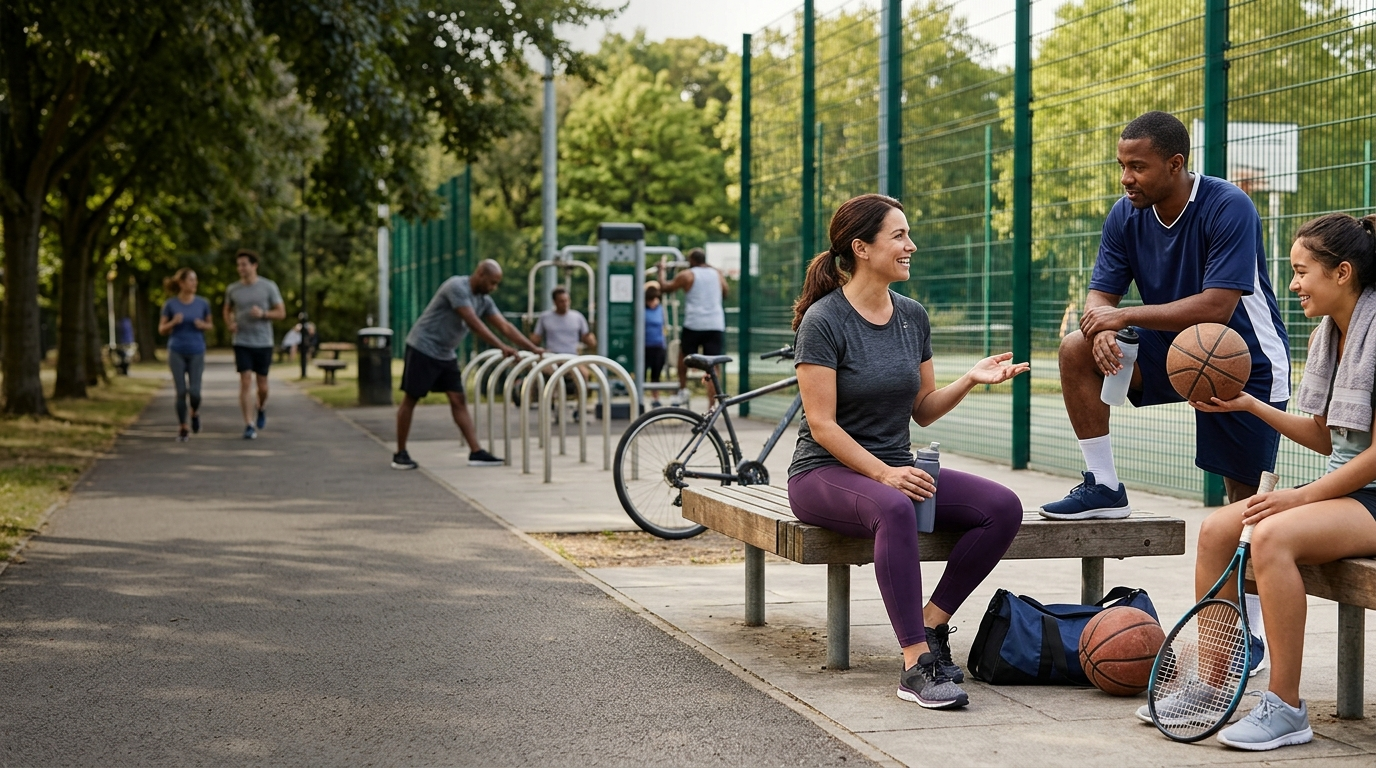
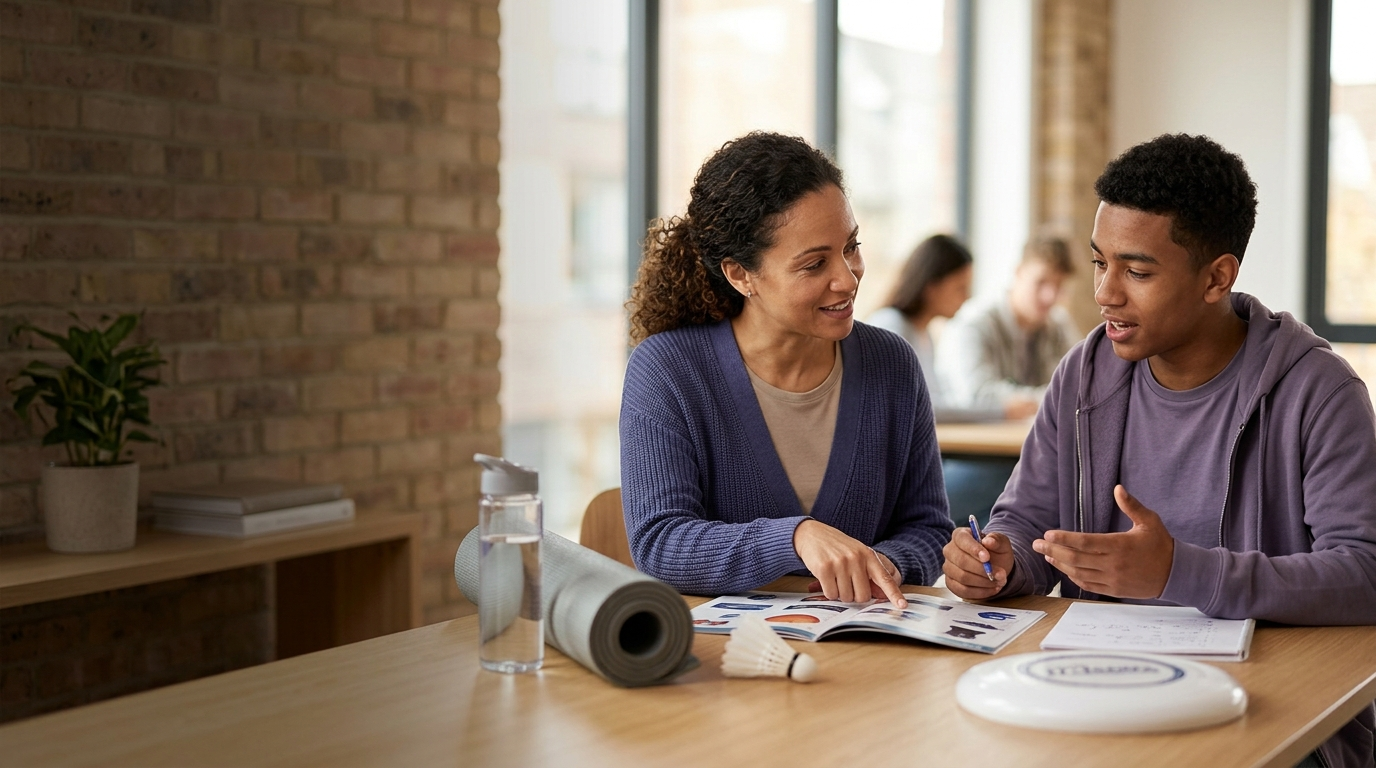
使用圖像作為想法提示。描述您注意到的內容,將其與您的經歷聯繫起來,然後回答真正的問題。
模範答案,並排聆聽
從更簡單的答案開始,切換 Band 來聽聽如何發展相同的任務,然後記錄個人回答。這些是教學範例,不是官方答案或分數保證。
What sports do you like?
I like football and swimming the most. I play football with friends at the weekend and I go swimming once or twice a week to relax. Sometimes I also go for runs if I have time.
I enjoy a mix of team and solo sports — mainly football and swimming, and I go cycling when the weather’s good. Football gives me that team buzz and friendly competition, while swimming and cycling help me clear my head and build endurance. I try to fit at least a few sessions into my week so I don’t get too sedentary.
Where did you learn how to do it?
I learned to play football at school and in a local club. For swimming I had lessons when I was small and then practised at the community pool.
I picked up football at primary school and then joined a local club where a coach taught me tactical skills and teamwork. Swimming started with lessons when I was quite young, and later I refined my technique at the community pool and from online tutorials for drills. Having a coach early on made a big difference to my basics and confidence.
Did you do some sports when you were young?
Yes, I did a lot of sport as a child. I played football and did swimming lessons. It was part of after-school activities.
Definitely — I was quite active as a youngster. I did football, went swimming and tried athletics at school. My parents also encouraged outdoor play, so I was always running about or riding my bike, which helped me develop basic fitness and coordination early on.
Do you think students need more exercise?
Yes, students need more exercise because it helps them stay healthy. Many spend too long sitting and that is bad for them.
I think students generally would benefit from more exercise. Apart from physical health, short regular activity boosts concentration and reduces stress — both important for learning. With so much screen time these days, building movement into the day, even through short breaks or active lessons, would be a sensible approach.
Do you know any schoolmates who are good at sports?
Yes, a few of my schoolmates are really good at sports. One friend was captain of the football team and another was strong at athletics.
Yes, I can think of several classmates who excelled in different sports. One of them captained the school football team and went on to play for a county side, while another was outstanding at athletics, winning regional events. They trained regularly, balanced studies and sport, and acted as role models for the rest of us.
Do you think it is important for people to exercise?
Yes, it is important for people to exercise. It keeps you fit and healthy and can stop you getting ill.
Absolutely — regular exercise is important across all ages. It reduces the risk of chronic illnesses, improves mood and sleep, and helps maintain mobility as you get older. Beyond health, exercise is great for social interaction and stress relief, so it’s a key part of a balanced life.
Should schools encourage young students to take more physical exercise?
Yes, schools should encourage more physical exercise. It would make children healthier and more active. PE lessons should be regular.
Yes, schools should actively encourage more physical activity and make it accessible for everyone. That could mean more varied PE options, daily short activity breaks, and well-supported extracurricular clubs so pupils find something they enjoy. Making exercise fun and inclusive is crucial — that way even less sporty kids are more likely to take part.
練習狀態:上一個題庫週期的存檔主題。它對於技能練習仍然有用,但不會作為當前或保證的考試問題出現。 主題如何標記.
如何回答體育雅思口語問題
這套《運動》包含 7 個簡短的面試問題。每個答案都以考官要求的資訊開始,然後用一個原因、例子或對比來擴展它。目標是自發性的、連貫的演講,而不是一篇小論文。
- 準確回答第一句中的問題。
- 新增一個原因或具體的個人詳細資料。
- 僅當新增資訊時才使用範例或對比。
- 自然結束,讓考官提出下一個問題。
逐個問題的方法
| 練習題 | 有用的答案動作 |
|---|---|
| What sports do you like? | 首先命名事物,然後描述特定的功能或範例。 |
| Where did you learn how to do it? | 給出一個直接的答案、一個原因和一個簡短的例子,無需記住腳本。 |
| Did you do some sports when you were young? | 舉一個過去的真實例子,然後說明發生了什麼變化或為什麼它很重要。 |
| Do you think students need more exercise? | 陳述一種可能的觀點,解釋原因並添加一個條件或示例。 |
詞彙重點
模型答案中已經展示的有用語言包括 team buzz, clear my head, endurance, local club, refine my technique, tactical skills, after-school activities, coordination。學習每個含義和自然的單字夥伴關係,然後在新的答案中使用該項目,而不是複製完整的腳本。
要避免的常見錯誤
- 給出的記憶答案只能部分回答問題。
- 加入困難的詞彙而不檢查意義或搭配。
- 每次錯誤後重新啟動,而不是短暫修正並繼續。
- 在記錄您自己的第一次嘗試之前,請先閱讀標準答案。
運動練習常見問題解答
第 1 部分的「做運動」的答案應該要多長?
目標是直接回答加上原因或細節,通常是兩到四句話。當想法完成時就停止,而不是強制固定字數。
我應該記住「做運動」模型的答案嗎?
不。用它們來注意結構和語言,然後根據您自己的經驗回答。當考官改變問題時,記憶的措詞可能會失敗。
如果我沒有該主題的經驗怎麼辦?
誠實地說出來,然後解釋相關的偏好、觀察或假設的例子。您的評估標準是語言,而不是專業知識。
