
파트 1 질문
- Do you like reading?
- Do you prefer to read on paper or on a screen?
- When do you need to read carefully, and when not?
- Do you prefer scanning or detailed reading?
연습 상태: 이전 문제 은행 주기에서 보관된 주제입니다. 기술 연습에는 여전히 유용하지만 현재 또는 보장된 시험 문제로 제시되지는 않습니다. 주제에 라벨을 지정하는 방법.
전체 내용 읽기
Yes, I really enjoy reading — it’s one of my favourite ways to relax and learn. I tend to read fiction for pleasure, especially contemporary novels and short stories, but I also pick up non‑fiction like popular science or biographies when I want to learn something new. I usually read in the evenings or at the weekend; it helps me switch off from screens and pick up fresh ideas.
말하기 전에 주제를 살펴보세요
이미지를 아이디어 프롬프트로 사용하세요. 발견한 사항을 설명하고 이를 경험과 연결한 다음 실제 질문에 답하세요.
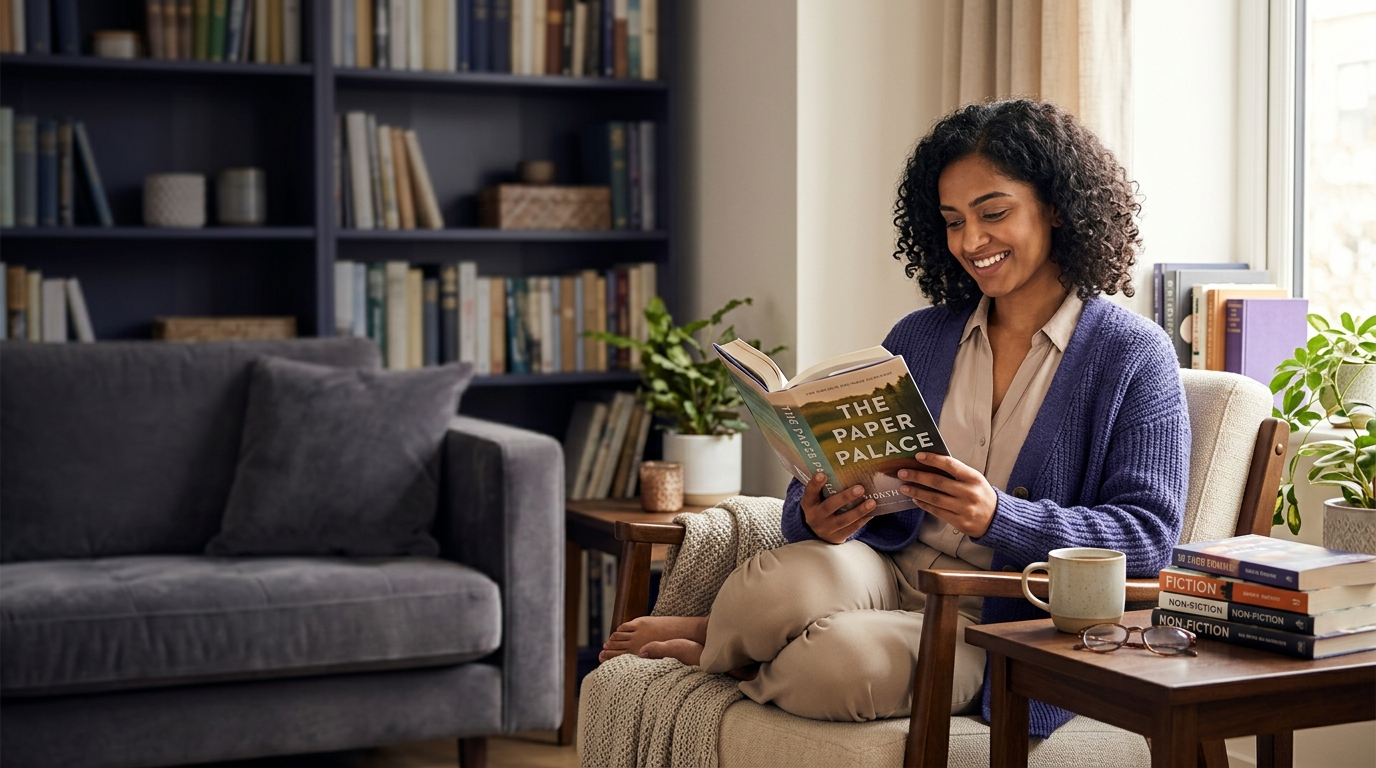
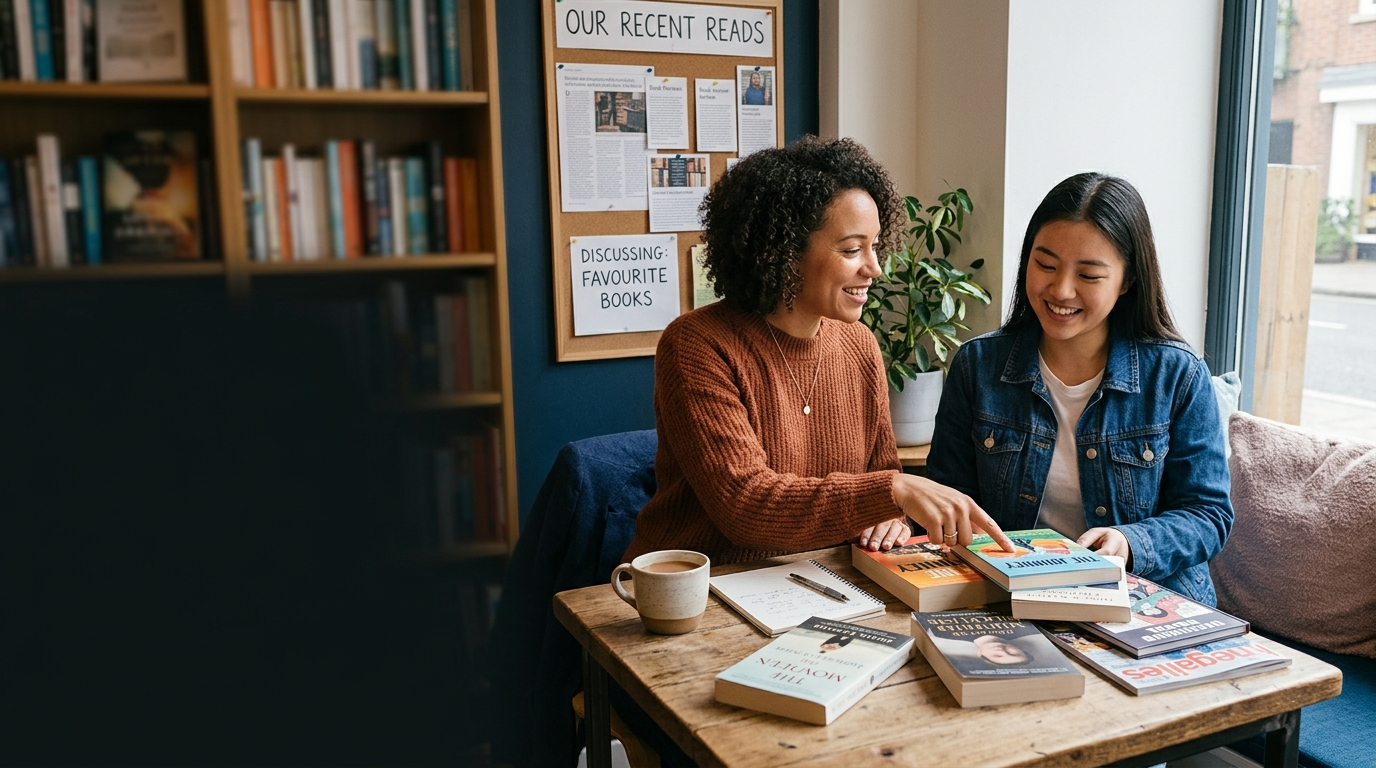
모델 답변을 나란히 들음
더 간단한 답변부터 시작하여 Band를 전환하여 동일한 작업이 어떻게 개발될 수 있는지 듣고 개인 응답을 녹음하세요. 이것은 공식적인 답변이나 점수 보장이 아닌 교육용 예시입니다.
Do you like reading?
Yes, I do like reading. I read quite often, mainly novels and short stories. I usually read in the evening to relax after work. I find reading helps me learn new words and it calms me down. I don't always have time, but when I do I enjoy it.
Yes, I really enjoy reading — it’s one of my favourite ways to relax and learn. I tend to read fiction for pleasure, especially contemporary novels and short stories, but I also pick up non‑fiction like popular science or biographies when I want to learn something new. I usually read in the evenings or at the weekend; it helps me switch off from screens and pick up fresh ideas.
Do you prefer to read on paper or on a screen?
I prefer to read on paper. Books feel nicer to hold and they don't hurt my eyes as much. When I need something quick, like news or a short article, I read on my phone, but for long reading I choose paper.
I generally prefer paper for long reads, like novels or non‑fiction, because it feels easier on the eyes and helps me remember the structure of the text. For quick stuff — news, emails or research — I use a screen because it’s more convenient and searchable. So it often depends on the purpose: immersion on paper, speed and convenience on screen.
When do you need to read carefully, and when not?
I need to read carefully when something is important, such as instructions, contracts or exam questions. For fun reading like magazines or light articles I don't read every word. If it's important I read slowly and maybe read it twice.
I read very carefully when the information matters — for example legal documents, technical instructions or exam papers — because missing a detail can have consequences. By contrast, when I’m browsing social media, headlines or a novel for pleasure, I’ll often skim and not worry about every sentence. Mostly it comes down to context and how serious the consequences of a mistake would be.
Do you prefer scanning or detailed reading?
I do both, but often I scan first to see if the text is useful. If it looks important I then read it in detail. Scanning saves time and detailed reading helps me understand more.
I normally use a two‑stage approach: I scan first to get an overview and decide whether the text is worth a deep read, and if it is I switch to detailed reading to analyse the arguments and note key points. That way I save time but still understand complex material when I need to.
연습 상태: 이전 문제 은행 주기에서 보관된 주제입니다. 기술 연습에는 여전히 유용하지만 현재 또는 보장된 시험 문제로 제시되지는 않습니다. 주제에 라벨을 지정하는 방법.
Reading IELTS Speaking 질문에 답변하는 방법
이 읽기 세트에는 4개의 짧은 인터뷰 질문이 포함되어 있습니다. 시험관이 요청한 정보로 각 답변을 시작한 다음 한 가지 이유, 예 또는 대조로 확장하세요. 목표는 짧은 에세이가 아닌 자연스럽고 연결된 연설입니다.
- 첫 번째 문장의 정확한 질문에 답하세요.
- 한 가지 이유나 구체적인 개인 정보를 추가하세요.
- 새로운 정보를 추가할 때만 예나 대조를 사용하십시오.
- 자연스럽게 마무리하고 시험관이 다음 질문을 하도록 하십시오.
질문별 접근 방식
| 연습문제 | 유용한 답변 이동 |
|---|---|
| Do you like reading? | 직접 답변하고, 이유를 제시하고, 자연스러운 개인 정보를 하나 추가하세요. |
| Do you prefer to read on paper or on a screen? | 직접 답변하고, 이유를 제시하고, 자연스러운 개인 정보를 하나 추가하세요. |
| When do you need to read carefully, and when not? | 대본을 외우지 않고 직접 답변하고 이유 하나와 간단한 예를 들어보세요. |
| Do you prefer scanning or detailed reading? | 직접 답변하고, 이유를 제시하고, 자연스러운 개인 정보를 하나 추가하세요. |
어휘 집중
모델 답변에서 이미 입증된 유용한 언어는 다음과 같습니다. relax, switch off, pick up, immersion, searchable, convenient, skim, consequences. 각 의미와 자연스러운 단어 파트너십을 배운 다음 전체 스크립트를 복사하는 대신 새로운 답변에 항목을 사용하십시오.
피해야 할 일반적인 실수
- 질문에 부분적으로만 대답하는 암기된 답변을 제공합니다.
- 의미나 배열을 확인하지 않고 어려운 어휘를 추가합니다.
- 잠시 수정하고 계속하는 대신 오류가 발생할 때마다 다시 시작합니다.
- 첫 번째 시도를 기록하기 전에 모범 답변을 읽어보세요.
읽기 연습 FAQ
1부 읽기에 대한 답변은 얼마나 길어야 합니까?
직접적인 답변과 이유 또는 세부 사항을 목표로 하세요. 일반적으로 2~4개의 문장으로 구성됩니다. 고정된 단어 수를 강요하기보다는 아이디어가 완성되면 중지하세요.
읽기 모델 답변을 외워야 하나요?
아니요. 구조와 언어를 파악하기 위해 이를 사용하고 자신의 경험을 바탕으로 답변하십시오. 시험관이 문제를 변경하면 암기한 표현이 실패할 수 있습니다.
해당 주제에 대한 경험이 없으면 어떻게 되나요?
솔직하게 말한 다음 관련된 선호도, 관찰 또는 가상의 예를 설명하십시오. 전문 지식이 아닌 언어로 평가됩니다.
