
파트 1 질문
- Did you do some house cleaning when you were young?
- What housework do you like or dislike doing?
- Do you like cooking?
- How often do you cook?
- Do you enjoy cooking with others?
- Do you like to cook for a large group of people?
- What do you think of working as a waiter?
연습 상태: 이전 문제 은행 주기에서 보관된 주제입니다. 기술 연습에는 여전히 유용하지만 현재 또는 보장된 시험 문제로 제시되지는 않습니다. 주제에 라벨을 지정하는 방법.
전체 내용 읽기
Yes, from about eight years old I had a small rota. I’d clear the table, wash up and sometimes hoover the living room; at weekends I helped my mum with a deeper clean. It taught me responsibility and how to divide jobs so the house didn’t feel overwhelming.
말하기 전에 주제를 살펴보세요
이미지를 아이디어 프롬프트로 사용하세요. 발견한 사항을 설명하고 이를 경험과 연결한 다음 실제 질문에 답하세요.
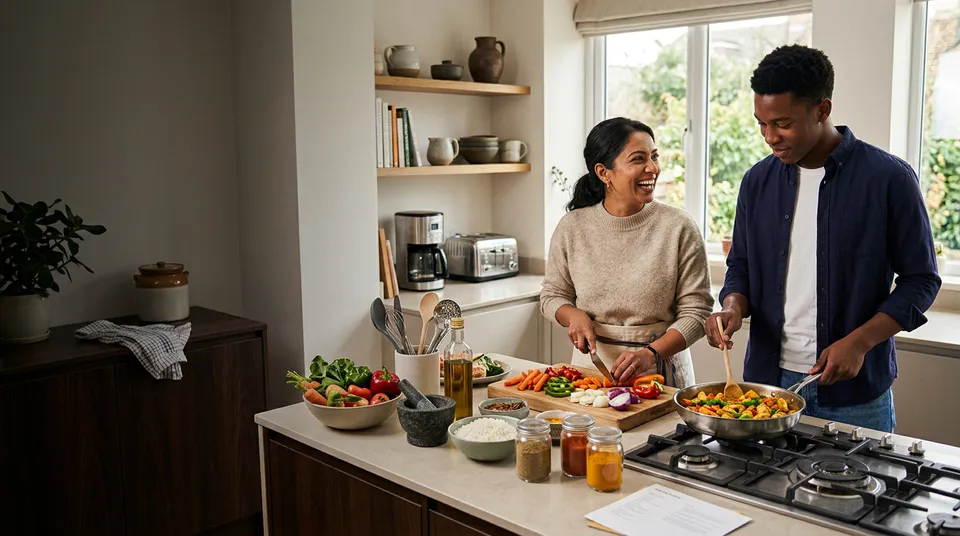
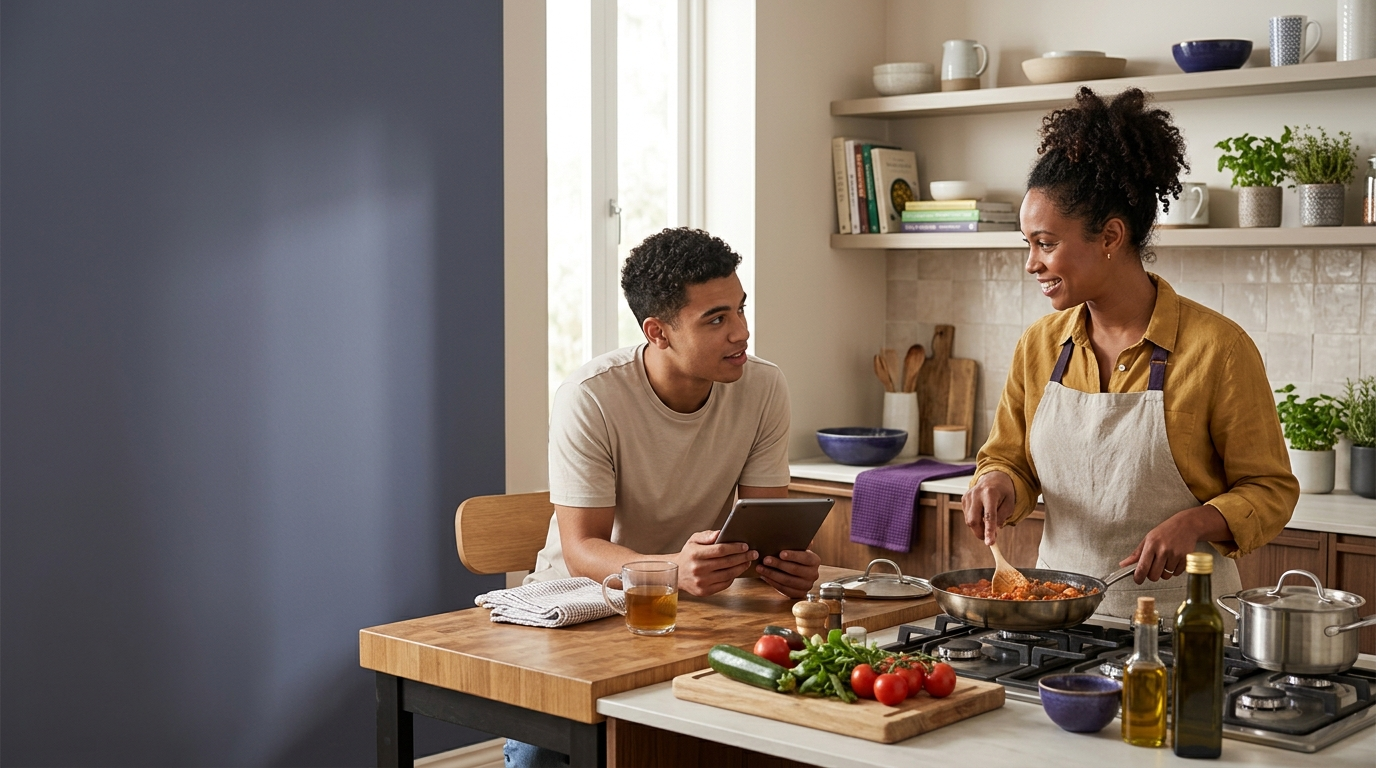
모델 답변을 나란히 들음
더 간단한 답변부터 시작하여 Band를 전환하여 동일한 작업이 어떻게 개발될 수 있는지 듣고 개인 응답을 녹음하세요. 이것은 공식적인 답변이나 점수 보장이 아닌 교육용 예시입니다.
Did you do some house cleaning when you were young?
Yes. When I was young I helped at home a lot. I used to sweep the floor, dust the shelves and clear the table after meals. My parents asked me to do these things every weekend, so it became a habit.
Yes, from about eight years old I had a small rota. I’d clear the table, wash up and sometimes hoover the living room; at weekends I helped my mum with a deeper clean. It taught me responsibility and how to divide jobs so the house didn’t feel overwhelming.
What housework do you like or dislike doing?
I don’t mind cooking and I like washing the dishes because it’s easy. I really dislike ironing though; it’s boring and takes too long.
I enjoy cooking and organising the kitchen because it feels productive, but I really dislike ironing — it’s tedious and you don’t see quick results. I prefer tasks where you can see a clear, immediate finish, like vacuuming or wiping surfaces.
Do you like cooking?
Yes, I like cooking most of the time. I enjoy making simple meals like pasta or stir-fries. It’s relaxing and I like eating what I’ve made.
Yes, I do — cooking is a creative outlet for me. I like trying new recipes and mixing flavours, and I find preparing food quite therapeutic after a busy day.
How often do you cook?
I cook about three or four times a week, usually in the evenings. On busy days I buy ready meals or eat out.
I cook most evenings — probably five nights a week. I batch-cook at the weekend so I’ve got meals ready during the week, which saves time and helps me eat more healthily.
Do you enjoy cooking with others?
Sometimes I do. Cooking with family can be fun because you talk while you cook, but it can also be a bit crowded in the kitchen.
Yes, I enjoy it — cooking with others is social and often more efficient. You can split tasks, swap tips and it turns a meal into an event rather than a chore, though it needs a bit of organisation to avoid chaos.
Do you like to cook for a large group of people?
I don’t mind cooking for a few people, but for a large group it’s stressful. It’s harder to make enough and keep everything hot.
Yes, I enjoy it, though it’s challenging. Cooking for a crowd needs planning — choose dishes that scale well, do prep in advance and consider a buffet style. The payoff is seeing everyone enjoy the food and that makes the effort worthwhile.
What do you think of working as a waiter?
I think being a waiter is okay for people who are starting out. It’s hard work and you meet lots of people, but the hours can be long.
I think it’s a solid job, especially for learning customer service and multitasking. It can be stressful and physically demanding, with irregular shift work, but it teaches you how to handle pressure and interact with different kinds of customers — skills useful in many careers.
연습 상태: 이전 문제 은행 주기에서 보관된 주제입니다. 기술 연습에는 여전히 유용하지만 현재 또는 보장된 시험 문제로 제시되지는 않습니다. 주제에 라벨을 지정하는 방법.
집안일과 요리 IELTS 말하기 질문에 대답하는 방법
이 가사 및 요리 세트에는 7개의 짧은 인터뷰 질문이 포함되어 있습니다. 시험관이 요청한 정보로 각 답변을 시작한 다음 한 가지 이유, 예 또는 대조로 확장하세요. 목표는 짧은 에세이가 아닌 자연스럽고 연결된 연설입니다.
- 첫 번째 문장의 정확한 질문에 답하세요.
- 한 가지 이유나 구체적인 개인 정보를 추가하세요.
- 새로운 정보를 추가할 때만 예나 대조를 사용하십시오.
- 자연스럽게 마무리하고 시험관이 다음 질문을 하도록 하십시오.
질문별 접근 방식
| 연습문제 | 유용한 답변 이동 |
|---|---|
| Did you do some house cleaning when you were young? | 과거의 실제 사례를 들고 무엇이 바뀌었는지, 왜 중요한지 말해보세요. |
| What housework do you like or dislike doing? | 먼저 사물의 이름을 지정한 다음 구체적인 특징이나 예를 설명하세요. |
| Do you like cooking? | 직접 답변하고, 이유를 제시하고, 자연스러운 개인 정보를 하나 추가하세요. |
| How often do you cook? | 과정이나 차이점을 명확한 순서로 기술하고 결과를 추가하세요. |
어휘 집중
모델 답변에서 이미 입증된 유용한 언어는 다음과 같습니다. rota, hoover, responsibility, tedious, productive, vacuuming, creative outlet, recipes. 각 의미와 자연스러운 단어 파트너십을 배운 다음 전체 스크립트를 복사하는 대신 새로운 답변에 항목을 사용하십시오.
피해야 할 일반적인 실수
- 질문에 부분적으로만 대답하는 암기된 답변을 제공합니다.
- 의미나 배열을 확인하지 않고 어려운 어휘를 추가합니다.
- 잠시 수정하고 계속하는 대신 오류가 발생할 때마다 다시 시작합니다.
- 첫 번째 시도를 기록하기 전에 모범 답변을 읽어보세요.
집안일과 요리실습 FAQ
파트 1의 가사와 요리에 대한 답변은 얼마나 길어야 합니까?
직접적인 답변과 이유 또는 세부 사항을 목표로 하세요. 일반적으로 2~4개의 문장으로 구성됩니다. 고정된 단어 수를 강요하기보다는 아이디어가 완성되면 중지하세요.
집안일과 요리모델 답변을 외워야 할까요?
아니요. 구조와 언어를 파악하기 위해 이를 사용하고 자신의 경험을 바탕으로 답변하십시오. 시험관이 문제를 변경하면 암기한 표현이 실패할 수 있습니다.
해당 주제에 대한 경험이 없으면 어떻게 되나요?
솔직하게 말한 다음 관련된 선호도, 관찰 또는 가상의 예를 설명하십시오. 전문 지식이 아닌 언어로 평가됩니다.
