
ส่วนที่ 1 คำถาม
- Did you do some house cleaning when you were young?
- What housework do you like or dislike doing?
- Do you like cooking?
- How often do you cook?
- Do you enjoy cooking with others?
- Do you like to cook for a large group of people?
- What do you think of working as a waiter?
สถานะการปฏิบัติ: หัวข้อที่เก็บถาวรจากรอบธนาคารคำถามครั้งก่อน ยังคงมีประโยชน์สำหรับการฝึกทักษะแต่ไม่ได้นำเสนอเป็นคำถามสอบในปัจจุบันหรือที่รับประกัน วิธีการติดป้ายกำกับหัวข้อ.
อ่านบทบรรยายฉบับสมบูรณ์
Yes, from about eight years old I had a small rota. I’d clear the table, wash up and sometimes hoover the living room; at weekends I helped my mum with a deeper clean. It taught me responsibility and how to divide jobs so the house didn’t feel overwhelming.
ดูหัวข้อก่อนพูด
ใช้รูปภาพเป็นไอเดีย อธิบายสิ่งที่คุณสังเกตเห็น เชื่อมโยงกับประสบการณ์ของคุณ แล้วตอบคำถามจริง
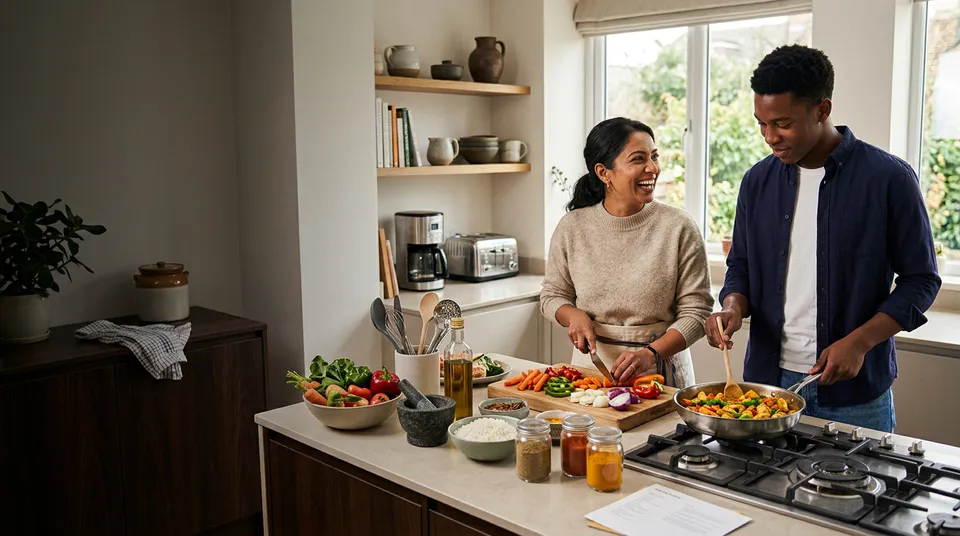

โมเดลตอบ ได้ยินพร้อมๆ กัน
เริ่มต้นด้วยคำตอบที่ง่ายกว่า สลับ Band เพื่อฟังว่างานเดียวกันนี้สามารถพัฒนาได้อย่างไร จากนั้นจึงบันทึกคำตอบส่วนตัว นี่เป็นตัวอย่างการสอน ไม่ใช่คำตอบอย่างเป็นทางการหรือการรับประกันคะแนน
Did you do some house cleaning when you were young?
Yes. When I was young I helped at home a lot. I used to sweep the floor, dust the shelves and clear the table after meals. My parents asked me to do these things every weekend, so it became a habit.
Yes, from about eight years old I had a small rota. I’d clear the table, wash up and sometimes hoover the living room; at weekends I helped my mum with a deeper clean. It taught me responsibility and how to divide jobs so the house didn’t feel overwhelming.
What housework do you like or dislike doing?
I don’t mind cooking and I like washing the dishes because it’s easy. I really dislike ironing though; it’s boring and takes too long.
I enjoy cooking and organising the kitchen because it feels productive, but I really dislike ironing — it’s tedious and you don’t see quick results. I prefer tasks where you can see a clear, immediate finish, like vacuuming or wiping surfaces.
Do you like cooking?
Yes, I like cooking most of the time. I enjoy making simple meals like pasta or stir-fries. It’s relaxing and I like eating what I’ve made.
Yes, I do — cooking is a creative outlet for me. I like trying new recipes and mixing flavours, and I find preparing food quite therapeutic after a busy day.
How often do you cook?
I cook about three or four times a week, usually in the evenings. On busy days I buy ready meals or eat out.
I cook most evenings — probably five nights a week. I batch-cook at the weekend so I’ve got meals ready during the week, which saves time and helps me eat more healthily.
Do you enjoy cooking with others?
Sometimes I do. Cooking with family can be fun because you talk while you cook, but it can also be a bit crowded in the kitchen.
Yes, I enjoy it — cooking with others is social and often more efficient. You can split tasks, swap tips and it turns a meal into an event rather than a chore, though it needs a bit of organisation to avoid chaos.
Do you like to cook for a large group of people?
I don’t mind cooking for a few people, but for a large group it’s stressful. It’s harder to make enough and keep everything hot.
Yes, I enjoy it, though it’s challenging. Cooking for a crowd needs planning — choose dishes that scale well, do prep in advance and consider a buffet style. The payoff is seeing everyone enjoy the food and that makes the effort worthwhile.
What do you think of working as a waiter?
I think being a waiter is okay for people who are starting out. It’s hard work and you meet lots of people, but the hours can be long.
I think it’s a solid job, especially for learning customer service and multitasking. It can be stressful and physically demanding, with irregular shift work, but it teaches you how to handle pressure and interact with different kinds of customers — skills useful in many careers.
สถานะการปฏิบัติ: หัวข้อที่เก็บถาวรจากรอบธนาคารคำถามครั้งก่อน ยังคงมีประโยชน์สำหรับการฝึกทักษะแต่ไม่ได้นำเสนอเป็นคำถามสอบในปัจจุบันหรือที่รับประกัน วิธีการติดป้ายกำกับหัวข้อ.
วิธีตอบคำถามงานบ้านและทำอาหาร IELTS พูด
ชุดงานบ้านและทำอาหารชุดนี้ประกอบด้วยคำถามสัมภาษณ์สั้นๆ 7 ข้อ เริ่มคำตอบแต่ละข้อด้วยข้อมูลที่ผู้สอบถาม จากนั้นขยายเหตุผลด้วยตัวอย่างหรือข้อแตกต่างเพียงข้อเดียว เป้าหมายคือคำพูดที่เชื่อมโยงและเป็นธรรมชาติ ไม่ใช่เรียงความสั้นๆ
- ตอบคำถามให้ตรงในประโยคแรก
- เพิ่มเหตุผลหรือรายละเอียดส่วนบุคคลที่เฉพาะเจาะจง
- ใช้ตัวอย่างหรือการเปรียบเทียบเฉพาะเมื่อมีการเพิ่มข้อมูลใหม่เท่านั้น
- จบอย่างเป็นธรรมชาติและให้ผู้คุมถามคำถามถัดไป
แนวทางคำถามต่อคำถาม
| คำถามฝึกหัด | การย้ายคำตอบที่เป็นประโยชน์ |
|---|---|
| Did you do some house cleaning when you were young? | ยกตัวอย่างในอดีตที่แท้จริง จากนั้นพูดว่ามีอะไรเปลี่ยนแปลงหรือเหตุใดจึงสำคัญ |
| What housework do you like or dislike doing? | ตั้งชื่อสิ่งนั้นก่อน จากนั้นจึงอธิบายคุณลักษณะหรือตัวอย่างเฉพาะเจาะจง |
| Do you like cooking? | ตอบโดยตรง ให้เหตุผล และเพิ่มรายละเอียดส่วนบุคคลที่เป็นธรรมชาติหนึ่งรายการ |
| How often do you cook? | อธิบายกระบวนการหรือความแตกต่างตามลำดับที่ชัดเจนและเพิ่มผลลัพธ์ |
เน้นคำศัพท์
ภาษาที่มีประโยชน์แสดงให้เห็นแล้วในคำตอบของโมเดล ได้แก่ rota, hoover, responsibility, tedious, productive, vacuuming, creative outlet, recipes. เรียนรู้แต่ละความหมายและคู่คำที่เป็นธรรมชาติ จากนั้นใช้รายการนั้นเป็นคำตอบใหม่แทนที่จะคัดลอกสคริปต์ที่สมบูรณ์
ข้อผิดพลาดทั่วไปที่ควรหลีกเลี่ยง
- ให้คำตอบที่จดจำซึ่งตอบคำถามเพียงบางส่วนเท่านั้น
- เติมคำศัพท์ยากๆ โดยไม่ต้องตรวจสอบความหมายหรือการจัดตำแหน่ง
- รีสตาร์ทหลังจากทุกข้อผิดพลาด แทนที่จะแก้ไขในช่วงสั้นๆ และดำเนินการต่อ
- อ่านคำตอบของแบบจำลองก่อนที่จะบันทึกความพยายามครั้งแรกของคุณเอง
คำถามที่พบบ่อยเกี่ยวกับงานบ้านและการทำอาหาร
คำตอบของฉันควรยาวแค่ไหนสำหรับงานบ้านและการทำอาหารในภาคที่ 1
ตั้งเป้าไปที่คำตอบโดยตรงพร้อมเหตุผลหรือรายละเอียด โดยปกติแล้วจะมีสองถึงสี่ประโยค หยุดเมื่อแนวคิดเสร็จสมบูรณ์ แทนที่จะบังคับให้นับจำนวนคำคงที่
ฉันควรจำคำตอบงานบ้านและโมเดลการทำอาหารหรือไม่
ไม่ ใช้สิ่งเหล่านี้เพื่อสังเกตโครงสร้างและภาษา แล้วตอบจากประสบการณ์ของคุณเอง ถ้อยคำที่จำไว้อาจล้มเหลวเมื่อผู้ตรวจสอบเปลี่ยนคำถาม
จะเกิดอะไรขึ้นถ้าฉันไม่มีประสบการณ์ในหัวข้อนี้?
พูดอย่างนั้นอย่างตรงไปตรงมา จากนั้นอธิบายความชอบ การสังเกต หรือตัวอย่างที่เกี่ยวข้องกัน คุณได้รับการประเมินโดยใช้ภาษา ไม่ใช่ความรู้เฉพาะทาง
