
IELTS スピーキング パート 1: Travelling 質問と回答

パート 1 の質問
一度に 1 つずつ質問を進めてください。聞いて、答え、比較し、再試行してください。完全な質問テキストは、アクセシビリティと検索のためにページの HTML に残ります。
- 01Do you prefer to sit by the window when travelling?
- 02Did you have a long journey with your family as a child?
完全なトランスクリプトを読む
はい、私は車やバスで移動するとき、通常かなりの時間を窓の外を眺めて過ごします。私は変化する風景を眺めたり、天気や建築物などの細かい点に注目したりするのが好きで、リラックスして考えるのに役立ちます。ルートが特に景色が良い場合は、窓に寄りかかって長い間眺めますが、長距離の場合は携帯電話を確認することもあります。
準備状況: 予測されたトピックサイクル。この独立した練習用リソースは IELTS の公式論文ではないため、テストの問題は異なる場合があります。 トピックのラベル付け方法.
話す前にトピックを確認する
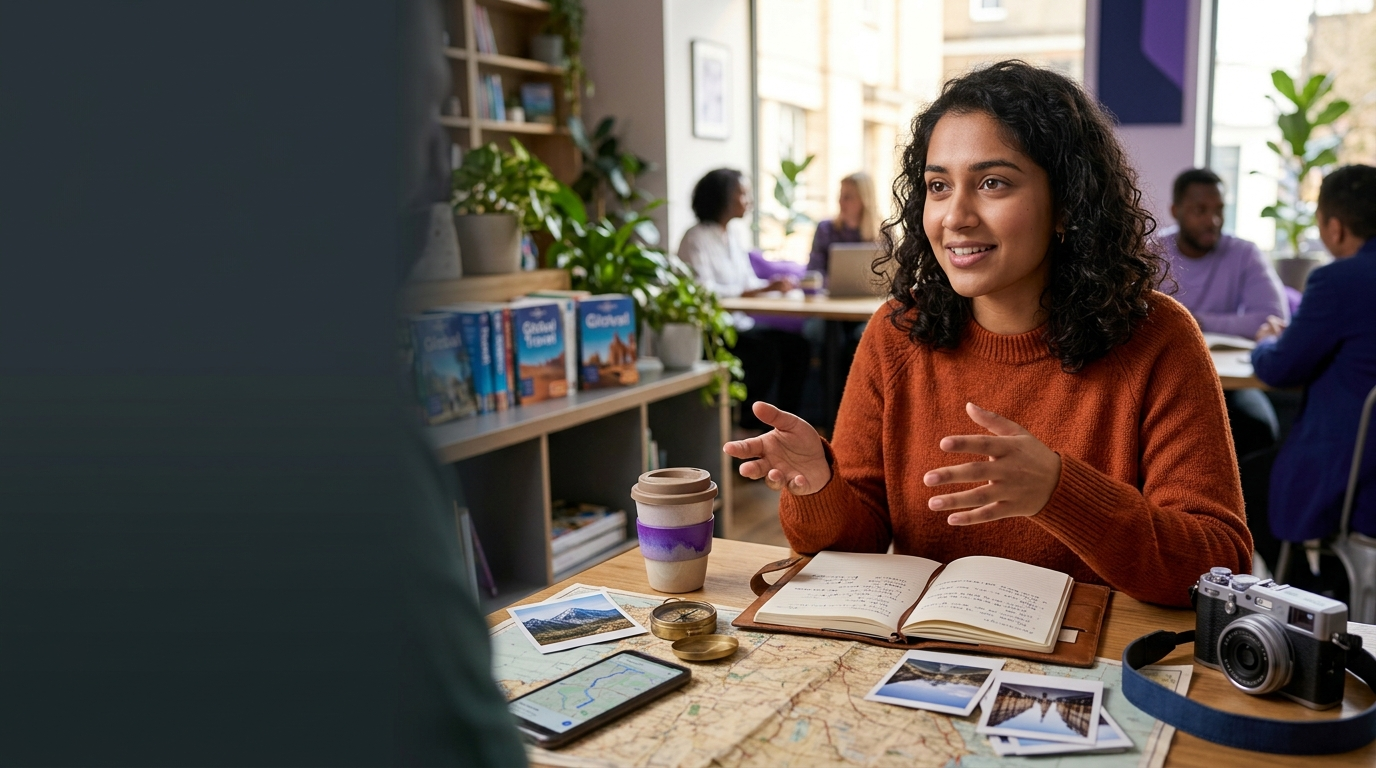
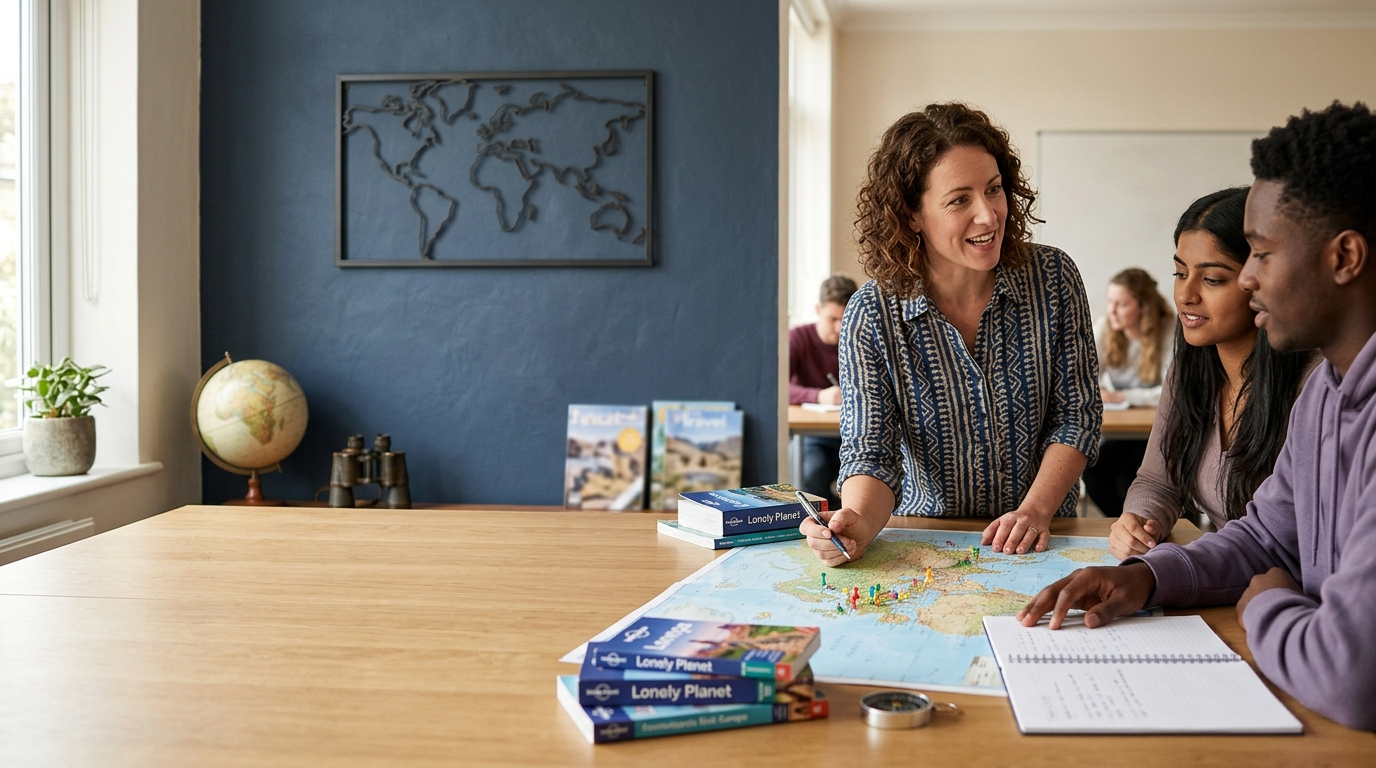
画像をアイデアのヒントとして使用します。気づいたことを説明し、それを自分の経験に結び付けてから、本当の質問に答えてください。
模範解答を並べて聞く
より単純な答えから始めて、Band を切り替えて、同じタスクをどのように開発できるかを聞き、それから個人的な応答を記録します。これらは指導例であり、正式な解答やスコアの保証ではありません。
Do you prefer to sit by the window when travelling?
Yes, I usually like to sit by the window when I travel. I enjoy looking at the view and it helps me sleep. If the journey is short I sometimes choose the aisle so I can get up more easily.
Most of the time I pick a window seat. I find it relaxing to watch the landscape go by and it’s easier to doze off with something to lean on. That said, on short trips or when I know I’ll need to move around a lot I’ll take an aisle seat so I can stretch my legs and get to the loo without disturbing others.
I generally prefer a window seat, though it depends on the type of trip. On trains and planes a window gives you uninterrupted views and a surface to rest your head, which makes sleeping easier and the journey feel less tiring. However, if it’s a short hop or I need to work on my laptop, I’ll opt for an aisle so I can stand up and move freely. Ultimately I choose the seat that best suits how I plan to spend the time – sightseeing and resting versus getting things done.
Did you have a long journey with your family as a child?
Yes, when I was a child we had long journeys with my family. We drove to the coast and it took many hours. We played games in the car and I remember being bored but excited to reach the beach.
When I was young my family often took long car journeys, usually to the coast or to visit relatives. One trip that sticks in my mind took about six hours; we passed through lots of countryside and my parents played music while we sang along. The journey felt long at the time, but it was also a chance to talk and play games, which made us feel closer.
Yes, several long journeys with my family are still vivid in my memory. One summer we drove for nearly eight hours to a coastal town; the route wound through hills and little villages and felt endless to a child. Despite the boredom, the drive became a time for family bonding — we shared snacks, told stories and our parents taught us to spot different types of birds and farm animals. Those stretches of road taught me patience and turned travelling from a chore into something I now associate with shared memories rather than just displacement.
旅行中の IELTS スピーキングの質問に答える方法
This Travelling set contains 2 short interview questions. Start each answer with the information the examiner asked for, then extend it with one reason, example or contrast. The goal is spontaneous, connected speech—not a mini-essay.
- 最初の文の質問に正確に答えてください。
- 理由または具体的な個人情報を 1 つ追加します。
- 例や対比は、新しい情報を追加する場合にのみ使用してください。
- 自然に終了し、試験官に次の質問をさせます。
質問ごとのアプローチ
| 練習問題 | 役に立つ答えの動き |
|---|---|
| Do you prefer to sit by the window when travelling? | 直接答え、理由を述べ、自然な個人的な詳細を 1 つ追加してください。 |
| Did you have a long journey with your family as a child? | 実際の過去の例を挙げて、何が変わったのか、なぜそれが重要なのかを述べます。 |
語彙に焦点を当てる
模範解答で既に示されている有用な文言には次のようなものがあります。 window seat, aisle seat, stretch my legs, road trip, family bonding, long haul。それぞれの意味と自然な単語の連携を学び、完全な台本をコピーするのではなく、新しい回答でその項目を使用します。
避けるべきよくある間違い
- 質問に対して部分的にしか答えていない、暗記した回答をする。
- 意味やコロケーションを確認せずに、難しい語彙を追加する。
- エラーが発生するたびに、簡単に修正して続行するのではなく、再起動します。
- 自分の最初の解答を記録する前に、模範解答を読んでください。
出張練習に関するよくある質問
パート 1 の旅行についての回答はどのくらいの長さにすればよいですか?
直接的な回答と理由または詳細を、通常は 2 ~ 4 文で回答することを目指します。固定語数を強制するのではなく、アイデアが完成したら停止します。
旅行の模範解答は暗記したほうがいいでしょうか?
いいえ。それらを使用して構造と言語に気づき、自分の経験から答えてください。暗記した言葉遣いは、試験官が質問を変えると失敗する可能性があります。
トピックに関する経験がない場合はどうすればよいですか?
それを正直に述べてから、関連する好み、観察、または仮説の例を説明します。専門知識ではなく、言語によって評価されます。
