
IELTS スピーキング パート 2 & 3: Describe a place where you enjoy shopping
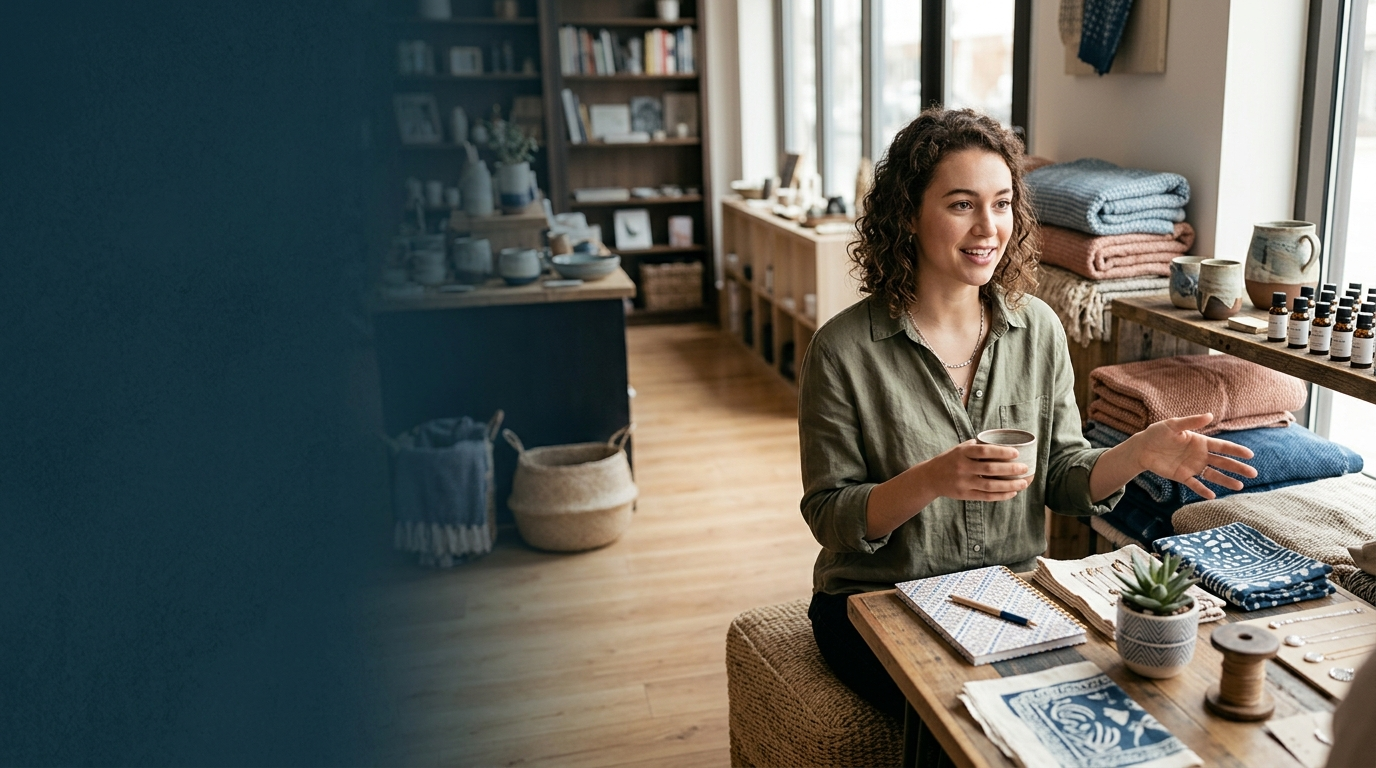
パート2のキューカード
Describe a place where you enjoy shopping
次のように言うべきです。
- その名前は何ですか
- どこにありますか
- どのくらいの頻度で訪れますか
- そこでよく買うもの
このトピックについて話す時間は 1 ~ 2 分です。
完全なトランスクリプトを読む
The place I enjoy shopping is called Riverside Market, a compact indoor market near the riverfront in my city. It’s on the south bank, about a twenty-minute walk from where I live, so it’s very easy to get to after work or at the weekend. I go there roughly once every two weeks, sometimes more if I’m looking for something specific or if there’s a food fair; visiting less often if I’m busy with work. What I usually buy are fresh groceries, artisan bread and sometimes small household items such as candles or kitchen utensils — I like supporting local producers. I also often pick up a ready-to-eat snack from a street-food stall and sit by the water while I eat. The market has a friendly atmosphere and the stallholders remember regular customers, so I enjoy the personal touch; for example, the baker knows I prefer sourdough and will reserve a loaf for me. Prices are reasonable and there’s a good variety, which means I can combine practical shopping with a little treat. In summer there's a pop-up florist and in winter they sell mulled cider, so the experience changes with the seasons.
準備状況: 予測されたトピックサイクル。この独立した練習用リソースは IELTS の公式論文ではないため、テストの問題は異なる場合があります。 トピックのラベル付け方法.
パート 3 のディスカッションの質問
一度に 1 つずつ質問を進めてください。聞いて、答え、比較し、再試行してください。完全な質問テキストは、アクセシビリティと検索のためにページの HTML に残ります。
- 01Why do people buy things they don't need?
- 02Do you think it's a waste of time to go shopping?
- 03Why are some people keen on shopping?
- 04What kind of people like shopping?
- 05Where do people like to shop in your country?
- 06Do you think women like shopping more than men?
話す前にトピックを確認する
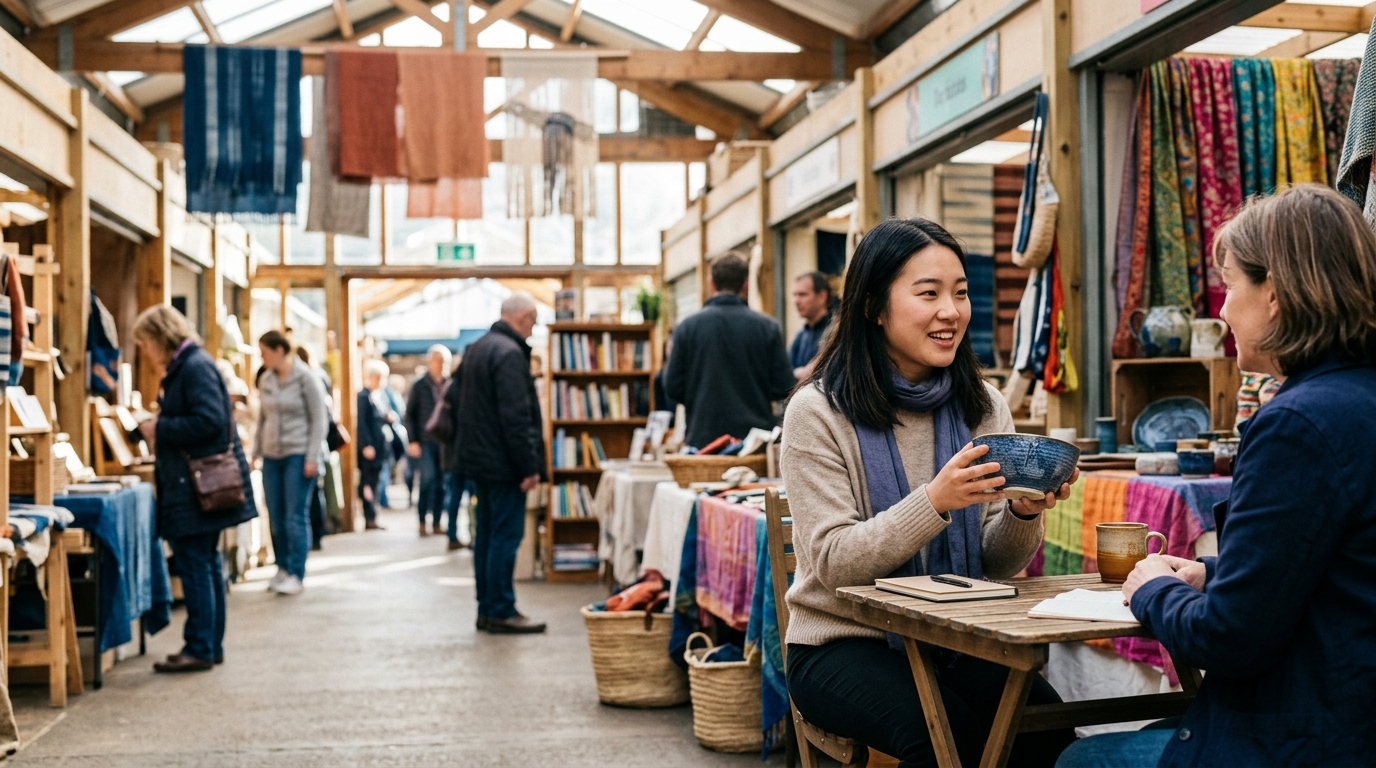
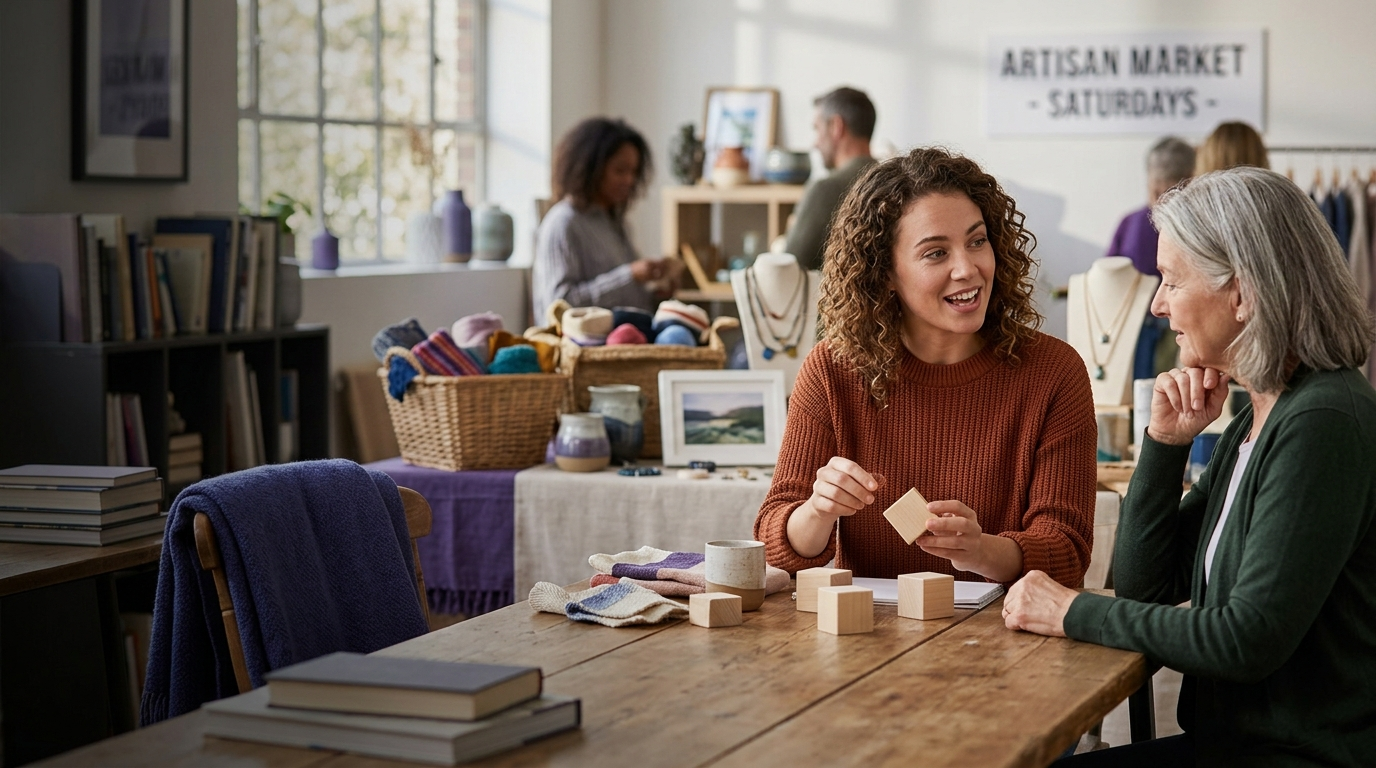
画像をアイデアのヒントとして使用します。気づいたことを説明し、それを自分の経験に結び付けてから、本当の質問に答えてください。
模範解答を並べて聞く
より単純な答えから始めて、Band を切り替えて、同じタスクをどのように開発できるかを聞き、それから個人的な応答を記録します。これらは指導例であり、正式な解答やスコアの保証ではありません。
パート 2 — 模範解答
Part 2 cue-card response
I like shopping at the Green Lane Supermarket. It is near my flat in the city centre, about ten minutes away. I visit it once or twice a week, usually at the weekend. I buy food there like fruit, milk and bread. Sometimes I buy ready meals if I am busy. The staff are friendly and it is clean. It is cheap and handy, so I go there often.
The place I enjoy shopping is called Riverside Market, a compact indoor market near the riverfront in my city. It’s on the south bank, about a twenty-minute walk from where I live, so it’s very easy to get to after work or at the weekend. I go there roughly once every two weeks, sometimes more if I’m looking for something specific or if there’s a food fair; visiting less often if I’m busy with work. What I usually buy are fresh groceries, artisan bread and sometimes small household items such as candles or kitchen utensils — I like supporting local producers. I also often pick up a ready-to-eat snack from a street-food stall and sit by the water while I eat. The market has a friendly atmosphere and the stallholders remember regular customers, so I enjoy the personal touch; for example, the baker knows I prefer sourdough and will reserve a loaf for me. Prices are reasonable and there’s a good variety, which means I can combine practical shopping with a little treat. In summer there's a pop-up florist and in winter they sell mulled cider, so the experience changes with the seasons.
パート 3 — 模範解答
Why do people buy things they don't need?
People buy things they don’t need sometimes because they feel tempted by sales or adverts. It makes them feel good for a short time, like a treat. Also friends or social media can make people want the same items. Sometimes people buy out of boredom.
There are a few reasons. Impulse buying is common — attractive displays, online ads or a limited-time offer can make someone buy without thinking. Emotion also plays a part: shopping can lift the mood or mark a celebration, so people purchase unnecessary items as a quick reward. Social factors matter too; if friends or influencers are using a product, people often want to keep up. In short, a mix of marketing, emotion and social pressure drives these purchases.
Do you think it's a waste of time to go shopping?
I don’t think shopping is always a waste of time. If you need something it’s useful. Going shopping can also be fun and a way to meet friends. But if you just wander for hours it might feel like wasting time.
It depends on the purpose. Shopping with a clear list or for necessities is practical and not a waste; it saves time later. Equally, shopping can be a form of leisure — meeting friends, trying new food or discovering independent shops — which isn’t wasted if you enjoy it. However, aimless browsing with no purpose can feel like poor use of time for some people, especially if it leaves you tired or overspending.
Why are some people keen on shopping?
Some people like shopping because it is enjoyable and relaxing. They like choosing things and finding bargains. For some it is a hobby. Also shopping can be social, like meeting friends.
Many people treat shopping as a hobby or a form of retail therapy. The act of finding the right item, hunting for a bargain and making a choice can be satisfying and even give a small dopamine boost. For others it’s mainly social — an excuse to spend time with friends or family — while some enjoy collecting things or updating their wardrobe as a way to express identity. In short, it meets emotional, social and practical needs.
What kind of people like shopping?
People who like shopping are often younger or those who care about fashion. Also those with more money can buy more. Some older people like shopping for hobbies or because they enjoy looking around.
There isn’t one type of person — shopping appeals across ages and backgrounds, but different groups shop for different reasons. Fashion-conscious people and trend-followers enjoy exploring new styles, while bargain hunters relish sales and clearance events. Families might prefer practical shopping for home and children, and retirees sometimes enjoy a stroll along the high street as a social activity. Income, interests and lifestyle shape who shops and why.
Where do people like to shop in your country?
In my country people like to shop in shopping centres and supermarkets. Some people also go to local markets for fresh food. Online shopping is popular too, especially for clothes and electronics.
People tend to choose a mix of places. The high street and shopping centres remain popular for clothes, leisure and eating out because they offer a full experience. Local markets and independent shops attract those looking for fresh food or distinctive items, while online retailers are increasingly used for convenience and wider choice. Regional habits vary — city dwellers might prefer boutique shops and markets, whereas people outside cities rely more on large supermarkets and online delivery.
Do you think women like shopping more than men?
I think it depends on the person rather than just gender. Some women enjoy shopping more, but many men do too. Interests and upbringing matter more than being a man or woman.
It’s an oversimplification to say women like shopping more than men. Research shows small differences in shopping habits, but tastes depend on personality, cultural expectations and the type of goods involved. For example, men might spend more time researching electronics online while women might browse clothes in shops, although this is changing. In short, shopping preferences are shifting and the gender gap is narrowing.
実践ステータス: 以前の質問バンク サイクルからアーカイブされたトピック。これはスキルの練習には役立ちますが、現在の試験問題または保証された試験問題としては提示されません。 トピックのラベル付け方法.
答え方 ショッピングを楽しめる場所について説明してください IELTS スピーキングの質問
「ショッピングを楽しむ場所について説明する」キュー カードの場合は、準備時間を使用してトークのルートを作成します。明確な主題を選択し、2 つの具体的な瞬間または詳細を追加し、それが重要な理由で終わります。次に、リンクされたパート 3 の質問を使用して、より広範な説明と比較を練習します。
キューカードのプロンプト:
- その名前は何ですか
- どこにありますか
- どのくらいの頻度で訪れますか
- そこでよく買うもの
- オープニング: 人、場所、物体、または出来事を特定します。
- 開発: 2 つの詳細または瞬間を論理的な順序で説明します。
- 拡張: 理由、結果、比較、または問題を説明します。
- 振り返り: その主題がなぜ記憶に残るのか、または重要なのかを最後に述べます。
質問ごとのアプローチ
| 練習問題 | 役に立つ答えの動き |
|---|---|
| Why do people buy things they don't need? | 主な原因を 1 つ挙げて答え、それを具体的な例で裏付けてください。 |
| Do you think it's a waste of time to go shopping? | 考えられる見解を述べ、その理由を説明し、条件または例を 1 つ追加します。 |
| Why are some people keen on shopping? | 主な原因を 1 つ挙げて答え、それを具体的な例で裏付けてください。 |
| What kind of people like shopping? | まず物に名前を付けてから、具体的な機能や例を説明します。 |
語彙に焦点を当てる
模範解答で既に示されている有用な文言には次のようなものがあります。 impulse buying, limited-time offer, social pressure, aimless browsing, purposeful shopping, leisure activity, retail therapy, bargain hunter。それぞれの意味と自然な単語の連携を学び、完全な台本をコピーするのではなく、新しい回答でその項目を使用します。
避けるべきよくある間違い
- 質問に対して部分的にしか答えていない、暗記した回答をする。
- 意味やコロケーションを確認せずに、難しい語彙を追加する。
- エラーが発生するたびに、簡単に修正して続行するのではなく、再起動します。
- 自分の最初の解答を記録する前に、模範解答を読んでください。
ショッピングを楽しめる場所について説明してください 練習用のよくある質問
ショッピングを楽しむ場所の説明カード作成議事録をどのように使用すればよいですか?
冒頭、2 つまたは 3 つの詳細、最後の感想のキーワードを書きます。完全な文章を書こうとしないでください。
キューカードのすべての箇条書きをカバーする必要がありますか?
プロンプトはトークを整理するのに役立ちます。それらをカバーすることは有益ですが、機械的に各行をチェックするよりも、1 ~ 2 分間の一貫した応答の方が重要です。
パート 3 の質問はパート 2 にどのように関連していますか?
これらは、理由、比較、社会的影響、将来の可能性を通じて同じ広範なテーマを展開するため、通常、回答にはパート 1 よりも詳しい説明が必要です。
