
Palestra IELTS Parte 2 e 3: Describe a place where you enjoy shopping
Cartão de dicas da parte 2
Describe a place where you enjoy shopping
Você deveria dizer:
- Qual é o nome dele
- Onde está
- Com que frequência você o visita
- O que você costuma comprar lá
Você terá de um a dois minutos para falar sobre este assunto.
Leia a transcrição completa
The place I enjoy shopping is called Riverside Market, a compact indoor market near the riverfront in my city. It’s on the south bank, about a twenty-minute walk from where I live, so it’s very easy to get to after work or at the weekend. I go there roughly once every two weeks, sometimes more if I’m looking for something specific or if there’s a food fair; visiting less often if I’m busy with work. What I usually buy are fresh groceries, artisan bread and sometimes small household items such as candles or kitchen utensils — I like supporting local producers. I also often pick up a ready-to-eat snack from a street-food stall and sit by the water while I eat. The market has a friendly atmosphere and the stallholders remember regular customers, so I enjoy the personal touch; for example, the baker knows I prefer sourdough and will reserve a loaf for me. Prices are reasonable and there’s a good variety, which means I can combine practical shopping with a little treat. In summer there's a pop-up florist and in winter they sell mulled cider, so the experience changes with the seasons.
Status de preparação: Ciclo de tópico previsto. Este recurso de prática independente não é um documento oficial do IELTS e as perguntas do seu teste podem ser diferentes. Como os tópicos são rotulados.
Questões para discussão da Parte 3
Mova uma pergunta de cada vez: ouça, responda, compare e tente novamente. O texto completo da pergunta permanece na página HTML para acessibilidade e pesquisa.
- 01Why do people buy things they don't need?
- 02Do you think it's a waste of time to go shopping?
- 03Why are some people keen on shopping?
- 04What kind of people like shopping?
- 05Where do people like to shop in your country?
- 06Do you think women like shopping more than men?
Veja o tópico antes de falar
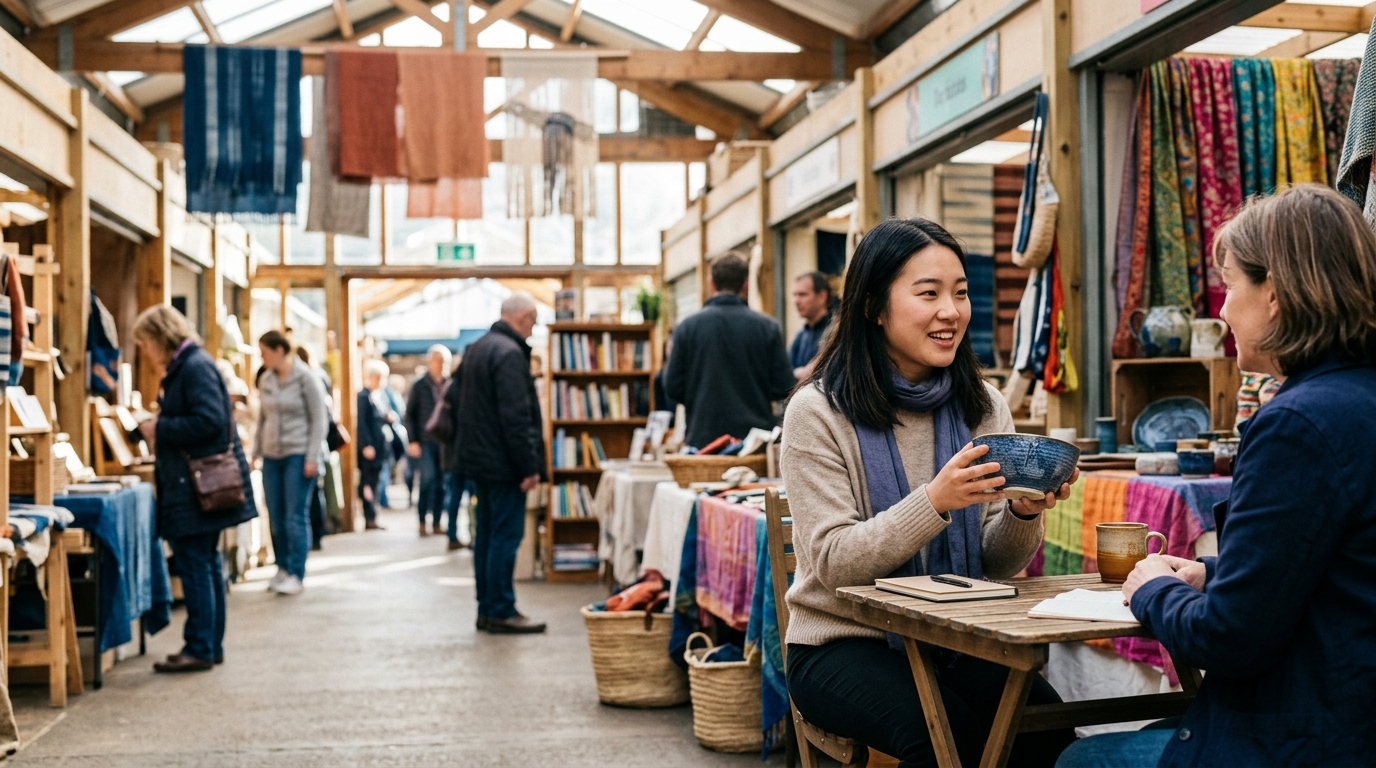
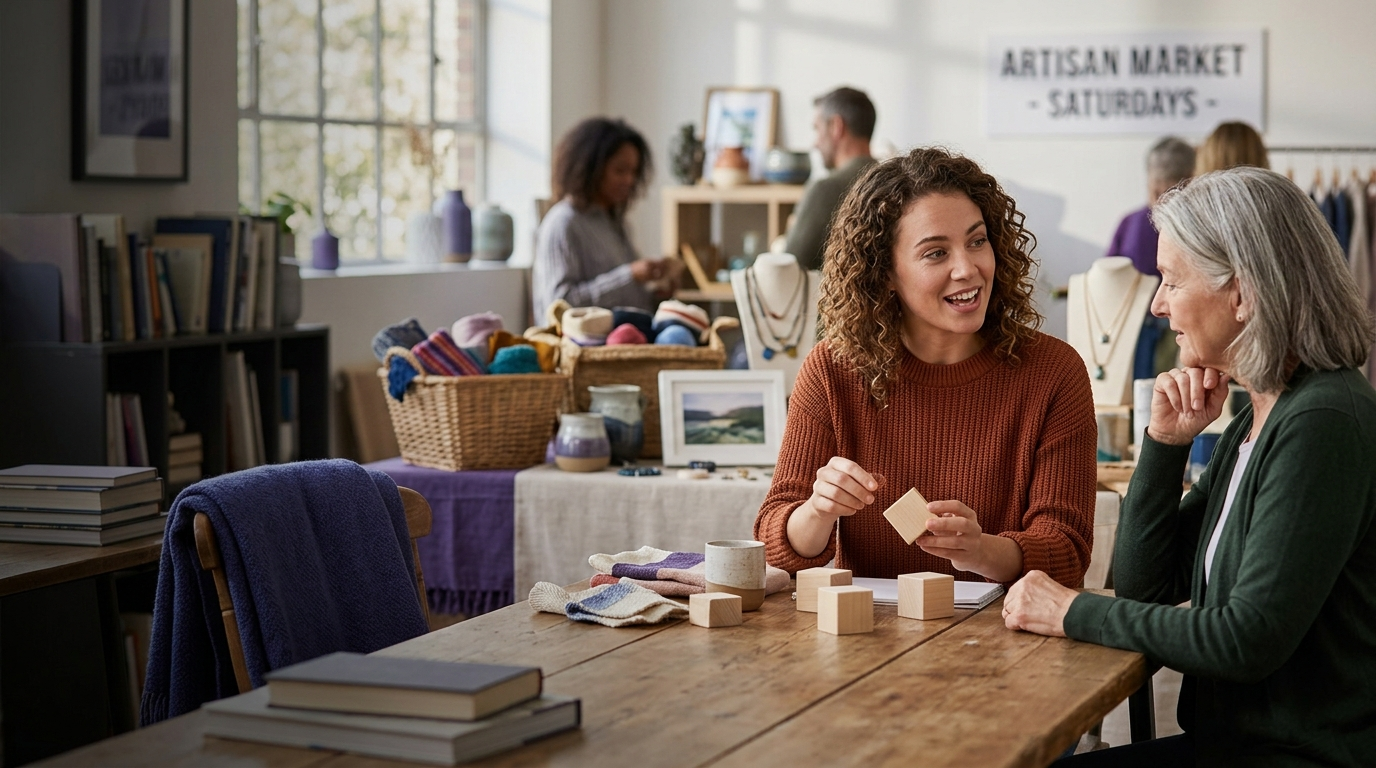
Use as imagens como sugestões de ideias. Descreva o que você percebe, conecte-o à sua experiência e responda à verdadeira pergunta.
Respostas modelo, ouvidas lado a lado
Comece com a resposta mais simples, mude Band para ouvir como a mesma tarefa pode ser desenvolvida e depois registre uma resposta pessoal. Estes são exemplos didáticos, não respostas oficiais ou garantias de pontuação.
Parte 2 – Resposta do Modelo
Part 2 cue-card response
I like shopping at the Green Lane Supermarket. It is near my flat in the city centre, about ten minutes away. I visit it once or twice a week, usually at the weekend. I buy food there like fruit, milk and bread. Sometimes I buy ready meals if I am busy. The staff are friendly and it is clean. It is cheap and handy, so I go there often.
The place I enjoy shopping is called Riverside Market, a compact indoor market near the riverfront in my city. It’s on the south bank, about a twenty-minute walk from where I live, so it’s very easy to get to after work or at the weekend. I go there roughly once every two weeks, sometimes more if I’m looking for something specific or if there’s a food fair; visiting less often if I’m busy with work. What I usually buy are fresh groceries, artisan bread and sometimes small household items such as candles or kitchen utensils — I like supporting local producers. I also often pick up a ready-to-eat snack from a street-food stall and sit by the water while I eat. The market has a friendly atmosphere and the stallholders remember regular customers, so I enjoy the personal touch; for example, the baker knows I prefer sourdough and will reserve a loaf for me. Prices are reasonable and there’s a good variety, which means I can combine practical shopping with a little treat. In summer there's a pop-up florist and in winter they sell mulled cider, so the experience changes with the seasons.
Parte 3 – Respostas do Modelo
Why do people buy things they don't need?
People buy things they don’t need sometimes because they feel tempted by sales or adverts. It makes them feel good for a short time, like a treat. Also friends or social media can make people want the same items. Sometimes people buy out of boredom.
There are a few reasons. Impulse buying is common — attractive displays, online ads or a limited-time offer can make someone buy without thinking. Emotion also plays a part: shopping can lift the mood or mark a celebration, so people purchase unnecessary items as a quick reward. Social factors matter too; if friends or influencers are using a product, people often want to keep up. In short, a mix of marketing, emotion and social pressure drives these purchases.
Do you think it's a waste of time to go shopping?
I don’t think shopping is always a waste of time. If you need something it’s useful. Going shopping can also be fun and a way to meet friends. But if you just wander for hours it might feel like wasting time.
It depends on the purpose. Shopping with a clear list or for necessities is practical and not a waste; it saves time later. Equally, shopping can be a form of leisure — meeting friends, trying new food or discovering independent shops — which isn’t wasted if you enjoy it. However, aimless browsing with no purpose can feel like poor use of time for some people, especially if it leaves you tired or overspending.
Why are some people keen on shopping?
Some people like shopping because it is enjoyable and relaxing. They like choosing things and finding bargains. For some it is a hobby. Also shopping can be social, like meeting friends.
Many people treat shopping as a hobby or a form of retail therapy. The act of finding the right item, hunting for a bargain and making a choice can be satisfying and even give a small dopamine boost. For others it’s mainly social — an excuse to spend time with friends or family — while some enjoy collecting things or updating their wardrobe as a way to express identity. In short, it meets emotional, social and practical needs.
What kind of people like shopping?
People who like shopping are often younger or those who care about fashion. Also those with more money can buy more. Some older people like shopping for hobbies or because they enjoy looking around.
There isn’t one type of person — shopping appeals across ages and backgrounds, but different groups shop for different reasons. Fashion-conscious people and trend-followers enjoy exploring new styles, while bargain hunters relish sales and clearance events. Families might prefer practical shopping for home and children, and retirees sometimes enjoy a stroll along the high street as a social activity. Income, interests and lifestyle shape who shops and why.
Where do people like to shop in your country?
In my country people like to shop in shopping centres and supermarkets. Some people also go to local markets for fresh food. Online shopping is popular too, especially for clothes and electronics.
People tend to choose a mix of places. The high street and shopping centres remain popular for clothes, leisure and eating out because they offer a full experience. Local markets and independent shops attract those looking for fresh food or distinctive items, while online retailers are increasingly used for convenience and wider choice. Regional habits vary — city dwellers might prefer boutique shops and markets, whereas people outside cities rely more on large supermarkets and online delivery.
Do you think women like shopping more than men?
I think it depends on the person rather than just gender. Some women enjoy shopping more, but many men do too. Interests and upbringing matter more than being a man or woman.
It’s an oversimplification to say women like shopping more than men. Research shows small differences in shopping habits, but tastes depend on personality, cultural expectations and the type of goods involved. For example, men might spend more time researching electronics online while women might browse clothes in shops, although this is changing. In short, shopping preferences are shifting and the gender gap is narrowing.
Status da prática: Tópico arquivado de um ciclo anterior de banco de questões. Ela permanece útil para a prática de habilidades, mas não é apresentada como uma questão de exame atual ou garantida. Como os tópicos são rotulados.
Como responder Descreva um lugar onde você gosta de fazer compras Perguntas do IELTS Speaking
Para o cartão de dicas Descreva um lugar onde você gosta de fazer compras, use o minuto de preparação para construir um roteiro durante a palestra. Escolha um assunto claro, adicione dois momentos ou detalhes específicos e termine explicando por que é importante. Em seguida, use as perguntas vinculadas da Parte 3 para praticar explicações e comparações mais amplas.
Solicitações do cartão de sugestão:
- Qual é o nome dele
- Onde está
- Com que frequência você o visita
- O que você costuma comprar lá
- Abertura: identificar a pessoa, lugar, objeto ou evento.
- Desenvolvimento: descreva dois detalhes ou momentos em uma ordem lógica.
- Extensão: explique um motivo, resultado, comparação ou problema.
- Reflexão: finalize explicando por que o assunto é memorável ou importante.
Abordagem pergunta por pergunta
| Pergunta prática | Movimento de resposta útil |
|---|---|
| Why do people buy things they don't need? | Responda com uma causa principal e depois apoie-a com um exemplo concreto. |
| Do you think it's a waste of time to go shopping? | Indique uma opinião provável, explique a razão e adicione uma condição ou exemplo. |
| Why are some people keen on shopping? | Responda com uma causa principal e depois apoie-a com um exemplo concreto. |
| What kind of people like shopping? | Nomeie a coisa primeiro e depois descreva um recurso ou exemplo específico. |
Foco no vocabulário
A linguagem útil já demonstrada nas respostas do modelo inclui impulse buying, limited-time offer, social pressure, aimless browsing, purposeful shopping, leisure activity, retail therapy, bargain hunter. Aprenda cada significado e uma parceria natural de palavras e, em seguida, use o item em uma nova resposta em vez de copiar um script completo.
Erros comuns a evitar
- Dar uma resposta memorizada que responde apenas parcialmente à pergunta.
- Adicionar vocabulário difícil sem verificar o significado ou a colocação.
- Reiniciar após cada erro em vez de corrigir brevemente e continuar.
- Lendo a resposta do modelo antes de gravar sua primeira tentativa.
Descreva um lugar onde você gosta de fazer compras. Perguntas frequentes
Como devo usar o minuto de preparação do cartão de dicas Descreva um lugar onde você gosta de fazer compras?
Escreva palavras-chave para uma abertura, dois ou três detalhes e uma reflexão final. Não tente escrever frases completas.
Tenho que cobrir todos os marcadores do cartão de sinalização?
As instruções ajudam você a organizar a palestra. Cobri-los é útil, mas uma resposta coerente de um a dois minutos é mais importante do que marcar mecanicamente cada linha.
Como as perguntas da Parte 3 estão conectadas à Parte 2?
Desenvolvem o mesmo tema amplo através de razões, comparações, efeitos sociais ou possibilidades futuras, pelo que as respostas normalmente necessitam de mais explicações do que a Parte 1.
