
雅思口语 Part 2 与 Part 3:Describe a place where you enjoy shopping
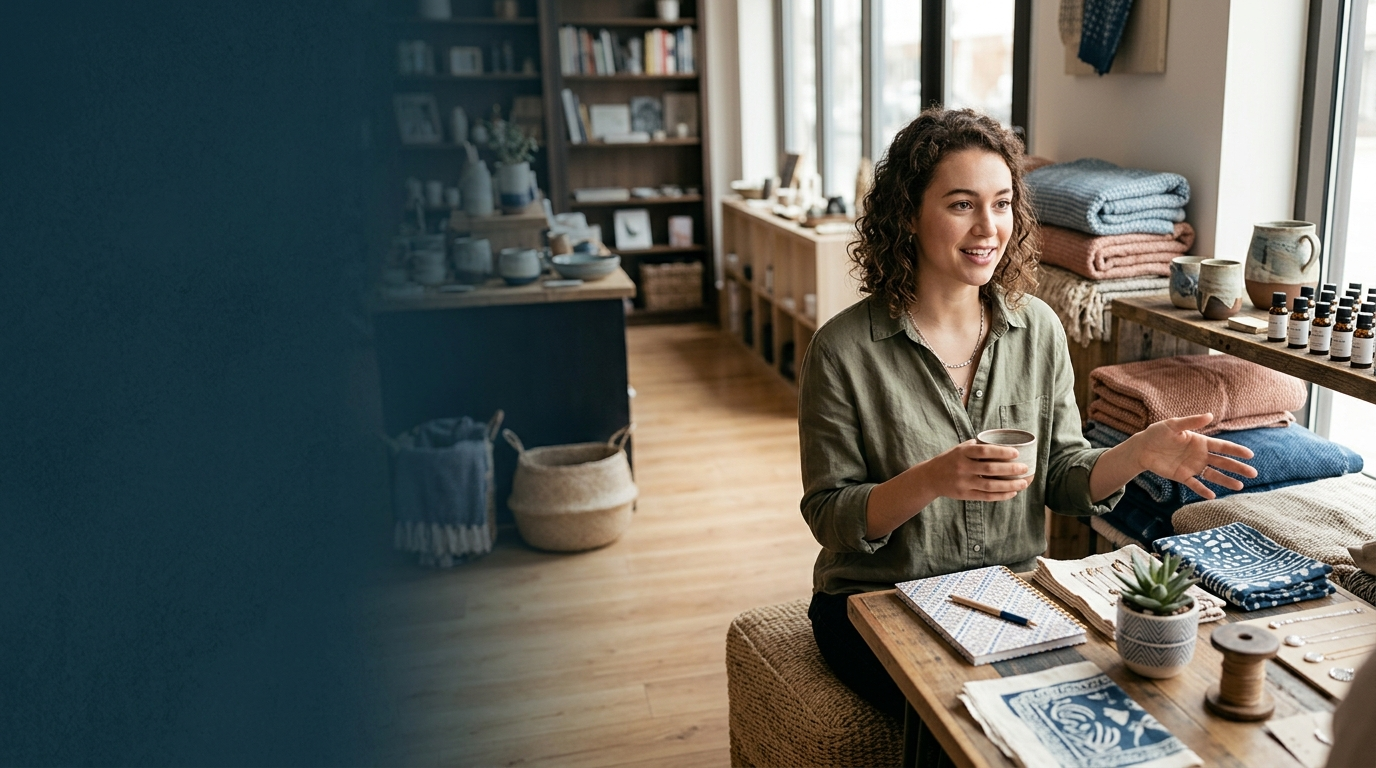
Part 2 话题卡
Describe a place where you enjoy shopping
你需要谈到:
- 它的名字是什么
- 它在哪里
- 您访问它的频率
- 你通常在那里买什么
你需要围绕这个话题作答一到两分钟。
阅读完整的文字记录
The place I enjoy shopping is called Riverside Market, a compact indoor market near the riverfront in my city. It’s on the south bank, about a twenty-minute walk from where I live, so it’s very easy to get to after work or at the weekend. I go there roughly once every two weeks, sometimes more if I’m looking for something specific or if there’s a food fair; visiting less often if I’m busy with work. What I usually buy are fresh groceries, artisan bread and sometimes small household items such as candles or kitchen utensils — I like supporting local producers. I also often pick up a ready-to-eat snack from a street-food stall and sit by the water while I eat. The market has a friendly atmosphere and the stallholders remember regular customers, so I enjoy the personal touch; for example, the baker knows I prefer sourdough and will reserve a loaf for me. Prices are reasonable and there’s a good variety, which means I can combine practical shopping with a little treat. In summer there's a pop-up florist and in winter they sell mulled cider, so the experience changes with the seasons.
备考状态:预测题季。本页面为独立备考资源,并非 IELTS 官方试卷;实际考试题目可能不同。 话题标签说明.
Part 3 讨论题
每次练习一道题:听题、作答、对照并重试。为便于无障碍访问和搜索,页面 HTML 中会保留完整英文题目。
- 01Why do people buy things they don't need?
- 02Do you think it's a waste of time to go shopping?
- 03Why are some people keen on shopping?
- 04What kind of people like shopping?
- 05Where do people like to shop in your country?
- 06Do you think women like shopping more than men?
开口前先熟悉话题
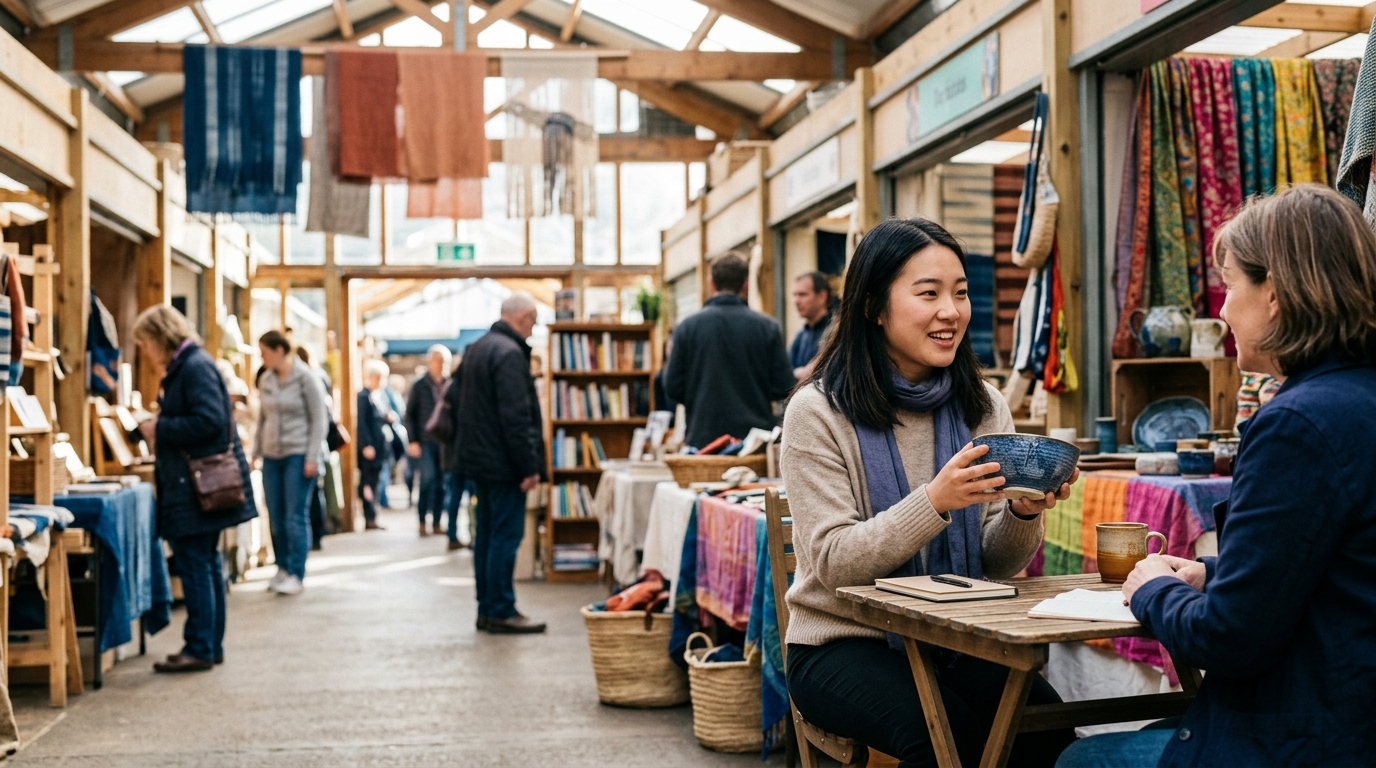
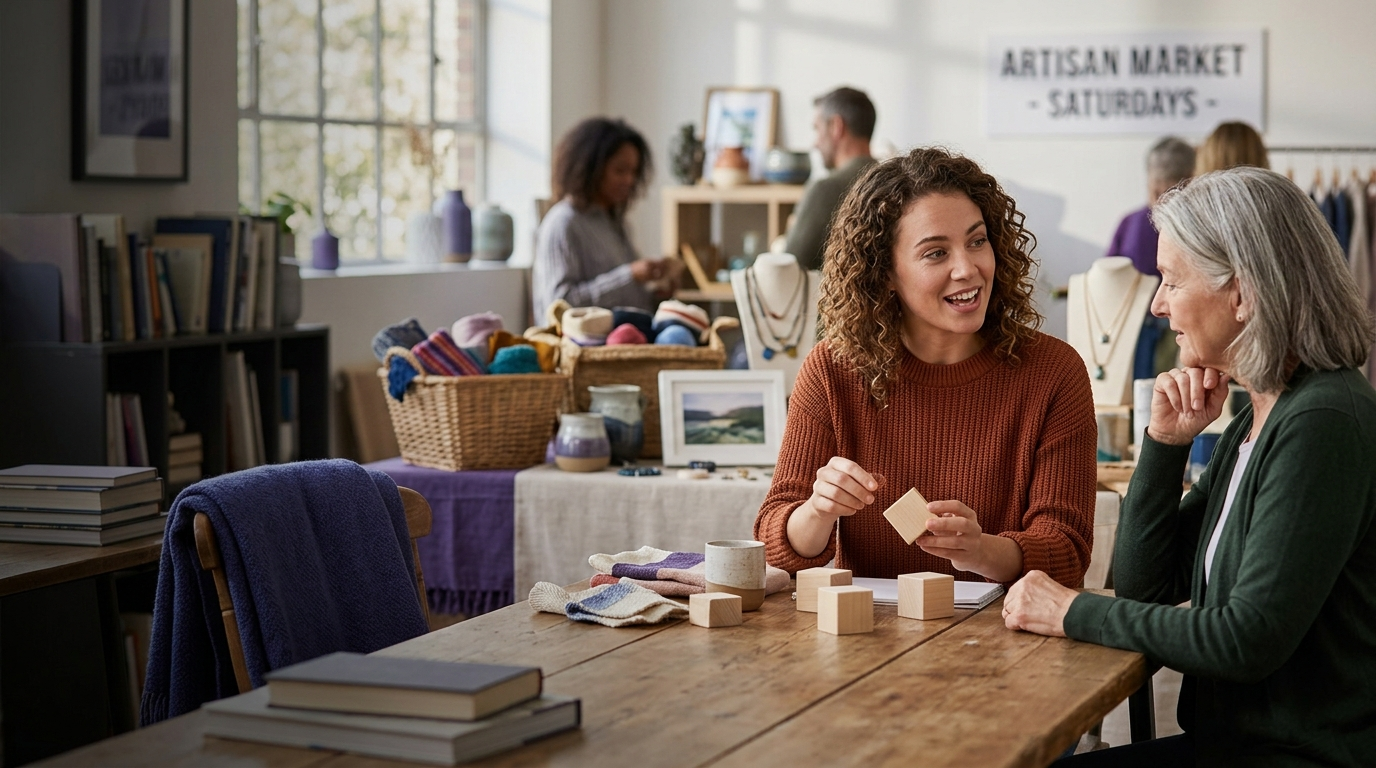
使用图像作为想法提示。描述您注意到的内容,将其与您的经历联系起来,然后回答真正的问题。
对照聆听参考答案
先听较简单的答案,再切换 Band 对照同一道题如何展开,最后录制你自己的回答。这些内容仅为教学示例,不是官方答案,也不保证对应分数。
Part 2 — 参考答案
Part 2 cue-card response
I like shopping at the Green Lane Supermarket. It is near my flat in the city centre, about ten minutes away. I visit it once or twice a week, usually at the weekend. I buy food there like fruit, milk and bread. Sometimes I buy ready meals if I am busy. The staff are friendly and it is clean. It is cheap and handy, so I go there often.
The place I enjoy shopping is called Riverside Market, a compact indoor market near the riverfront in my city. It’s on the south bank, about a twenty-minute walk from where I live, so it’s very easy to get to after work or at the weekend. I go there roughly once every two weeks, sometimes more if I’m looking for something specific or if there’s a food fair; visiting less often if I’m busy with work. What I usually buy are fresh groceries, artisan bread and sometimes small household items such as candles or kitchen utensils — I like supporting local producers. I also often pick up a ready-to-eat snack from a street-food stall and sit by the water while I eat. The market has a friendly atmosphere and the stallholders remember regular customers, so I enjoy the personal touch; for example, the baker knows I prefer sourdough and will reserve a loaf for me. Prices are reasonable and there’s a good variety, which means I can combine practical shopping with a little treat. In summer there's a pop-up florist and in winter they sell mulled cider, so the experience changes with the seasons.
Part 3 — 参考答案
Why do people buy things they don't need?
People buy things they don’t need sometimes because they feel tempted by sales or adverts. It makes them feel good for a short time, like a treat. Also friends or social media can make people want the same items. Sometimes people buy out of boredom.
There are a few reasons. Impulse buying is common — attractive displays, online ads or a limited-time offer can make someone buy without thinking. Emotion also plays a part: shopping can lift the mood or mark a celebration, so people purchase unnecessary items as a quick reward. Social factors matter too; if friends or influencers are using a product, people often want to keep up. In short, a mix of marketing, emotion and social pressure drives these purchases.
Do you think it's a waste of time to go shopping?
I don’t think shopping is always a waste of time. If you need something it’s useful. Going shopping can also be fun and a way to meet friends. But if you just wander for hours it might feel like wasting time.
It depends on the purpose. Shopping with a clear list or for necessities is practical and not a waste; it saves time later. Equally, shopping can be a form of leisure — meeting friends, trying new food or discovering independent shops — which isn’t wasted if you enjoy it. However, aimless browsing with no purpose can feel like poor use of time for some people, especially if it leaves you tired or overspending.
Why are some people keen on shopping?
Some people like shopping because it is enjoyable and relaxing. They like choosing things and finding bargains. For some it is a hobby. Also shopping can be social, like meeting friends.
Many people treat shopping as a hobby or a form of retail therapy. The act of finding the right item, hunting for a bargain and making a choice can be satisfying and even give a small dopamine boost. For others it’s mainly social — an excuse to spend time with friends or family — while some enjoy collecting things or updating their wardrobe as a way to express identity. In short, it meets emotional, social and practical needs.
What kind of people like shopping?
People who like shopping are often younger or those who care about fashion. Also those with more money can buy more. Some older people like shopping for hobbies or because they enjoy looking around.
There isn’t one type of person — shopping appeals across ages and backgrounds, but different groups shop for different reasons. Fashion-conscious people and trend-followers enjoy exploring new styles, while bargain hunters relish sales and clearance events. Families might prefer practical shopping for home and children, and retirees sometimes enjoy a stroll along the high street as a social activity. Income, interests and lifestyle shape who shops and why.
Where do people like to shop in your country?
In my country people like to shop in shopping centres and supermarkets. Some people also go to local markets for fresh food. Online shopping is popular too, especially for clothes and electronics.
People tend to choose a mix of places. The high street and shopping centres remain popular for clothes, leisure and eating out because they offer a full experience. Local markets and independent shops attract those looking for fresh food or distinctive items, while online retailers are increasingly used for convenience and wider choice. Regional habits vary — city dwellers might prefer boutique shops and markets, whereas people outside cities rely more on large supermarkets and online delivery.
Do you think women like shopping more than men?
I think it depends on the person rather than just gender. Some women enjoy shopping more, but many men do too. Interests and upbringing matter more than being a man or woman.
It’s an oversimplification to say women like shopping more than men. Research shows small differences in shopping habits, but tastes depend on personality, cultural expectations and the type of goods involved. For example, men might spend more time researching electronics online while women might browse clothes in shops, although this is changing. In short, shopping preferences are shifting and the gender gap is narrowing.
练习状态:上一个题库周期的存档主题。它对于技能练习仍然有用,但不会作为当前或保证的考试问题出现。 话题标签说明.
如何回答 描述一个您喜欢购物的地方 雅思口语问题
对于“描述您喜欢购物的地方”提示卡,请利用准备时间在演讲中建立一条路线。选择一个明确的主题,添加两个特定的时刻或细节,最后说明为什么它很重要。然后使用链接的第 3 部分问题来练习更广泛的解释和比较。
提示卡提示:
- 它的名字是什么
- 它在哪里
- 您访问它的频率
- 你通常在那里买什么
- 开头:指出人物、地点、物体或事件。
- 发展:按逻辑顺序描述两个细节或时刻。
- 扩展:解释原因、结果、比较或问题。
- 反思:以为什么该主题令人难忘或重要来结束。
逐题练习方法
| 练习题 | 实用作答方法 |
|---|---|
| Why do people buy things they don't need? | 回答一个主要原因,然后用一个具体的例子来支持它。 |
| Do you think it's a waste of time to go shopping? | 陈述一种可能的观点,解释原因并添加一个条件或示例。 |
| Why are some people keen on shopping? | 回答一个主要原因,然后用一个具体的例子来支持它。 |
| What kind of people like shopping? | 首先命名事物,然后描述特定的功能或示例。 |
重点词汇
模型答案中已经展示的有用语言包括 impulse buying, limited-time offer, social pressure, aimless browsing, purposeful shopping, leisure activity, retail therapy, bargain hunter。学习每个含义和自然的单词伙伴关系,然后在新的答案中使用该项目,而不是复制完整的脚本。
需要避免的常见问题
- 给出的记忆答案只能部分回答问题。
- 添加困难的词汇而不检查含义或搭配。
- 每次错误后重新启动,而不是短暂纠正并继续。
- 在记录您自己的第一次尝试之前,请先阅读标准答案。
描述一个您喜欢购物的地方
我应该如何使用描述您喜欢购物的地方提示卡准备分钟?
为开头、两三个细节和最后的反思写下关键词。不要试图写出完整的句子。
我必须覆盖所有提示卡项目符号吗?
提示可以帮助您组织演讲。涵盖它们是有用的,但是一到两分钟的连贯响应比机械地勾选每一行更重要。
第 3 部分的问题与第 2 部分有何关联?
他们通过原因、比较、社会影响或未来的可能性发展出相同的广泛主题,因此答案通常需要比第 1 部分更多的解释。
