
IELTS Speaking, parties 2 et 3 : Describe a place where you enjoy shopping
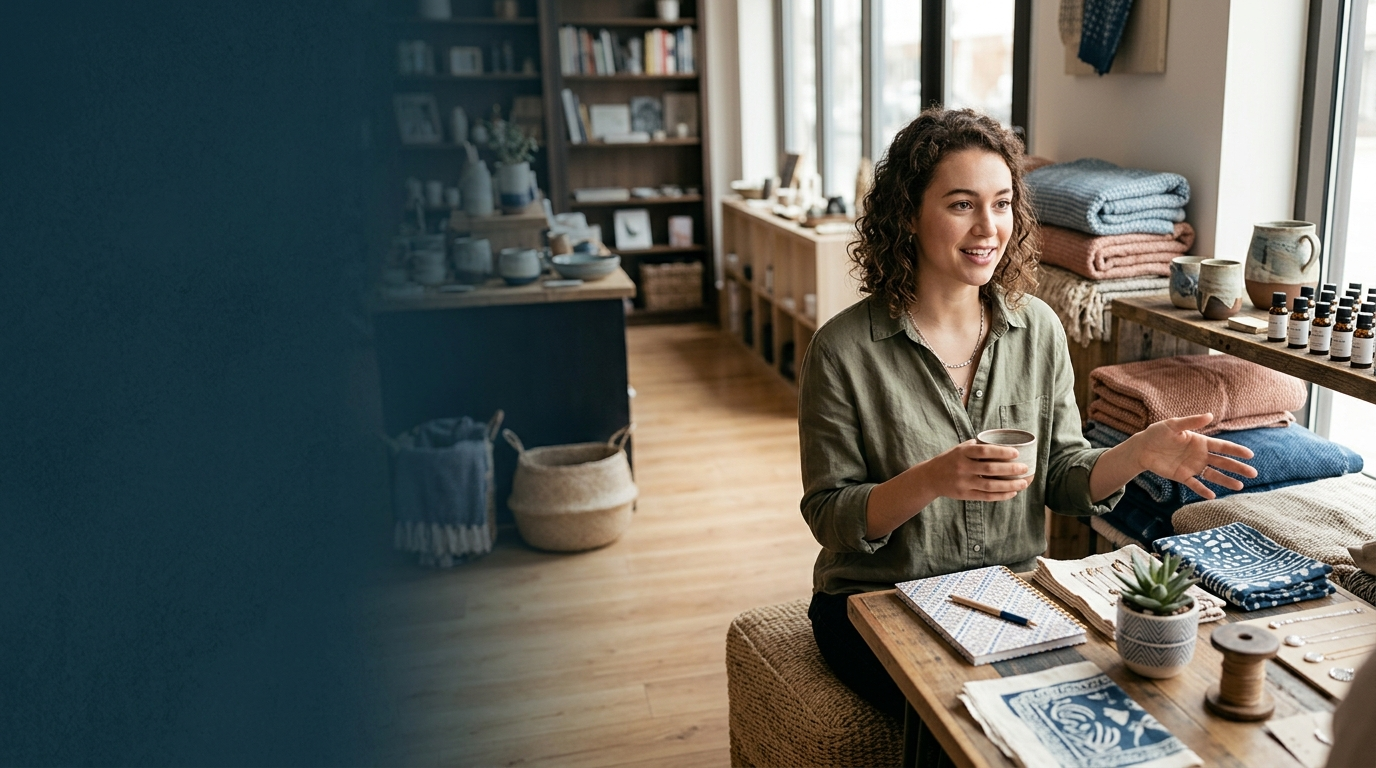
Carte aide-mémoire de la deuxième partie
Describe a place where you enjoy shopping
Il faudrait dire :
- Quel est son nom
- Où c'est
- À quelle fréquence vous le visitez
- Ce que vous y achetez habituellement
Vous disposerez d'une à deux minutes pour aborder ce sujet.
Lire la transcription complète
The place I enjoy shopping is called Riverside Market, a compact indoor market near the riverfront in my city. It’s on the south bank, about a twenty-minute walk from where I live, so it’s very easy to get to after work or at the weekend. I go there roughly once every two weeks, sometimes more if I’m looking for something specific or if there’s a food fair; visiting less often if I’m busy with work. What I usually buy are fresh groceries, artisan bread and sometimes small household items such as candles or kitchen utensils — I like supporting local producers. I also often pick up a ready-to-eat snack from a street-food stall and sit by the water while I eat. The market has a friendly atmosphere and the stallholders remember regular customers, so I enjoy the personal touch; for example, the baker knows I prefer sourdough and will reserve a loaf for me. Prices are reasonable and there’s a good variety, which means I can combine practical shopping with a little treat. In summer there's a pop-up florist and in winter they sell mulled cider, so the experience changes with the seasons.
État de préparation : cycle thématique prévu. Cette ressource de pratique indépendante n'est pas un document officiel de l'IELTS et les questions de votre test peuvent être différentes. Comment les sujets sont étiquetés.
Questions de discussion de la troisième partie
Déplacez une question à la fois : écoutez, répondez, comparez et réessayez. Le texte complet de la question reste dans la page HTML pour l'accessibilité et la recherche.
- 01Why do people buy things they don't need?
- 02Do you think it's a waste of time to go shopping?
- 03Why are some people keen on shopping?
- 04What kind of people like shopping?
- 05Where do people like to shop in your country?
- 06Do you think women like shopping more than men?
Voir le sujet avant de parler
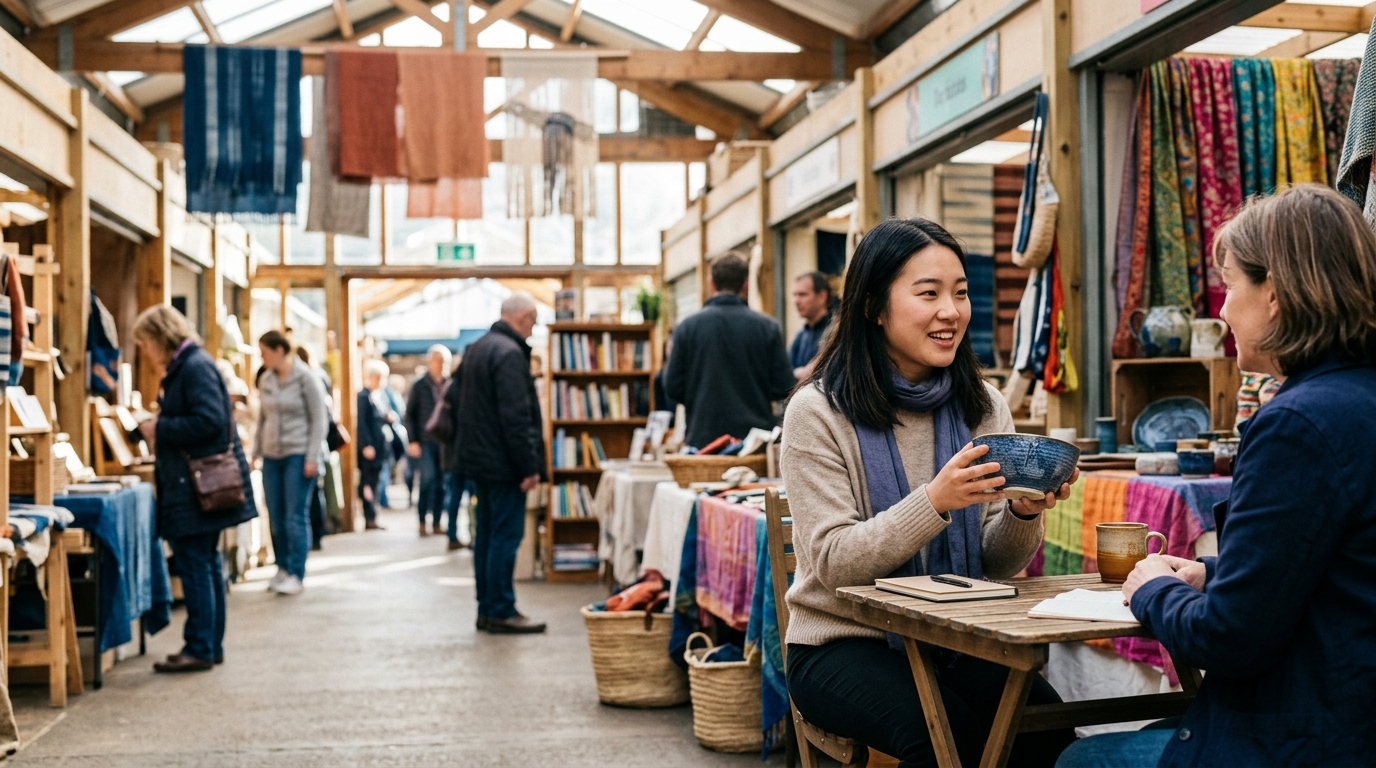
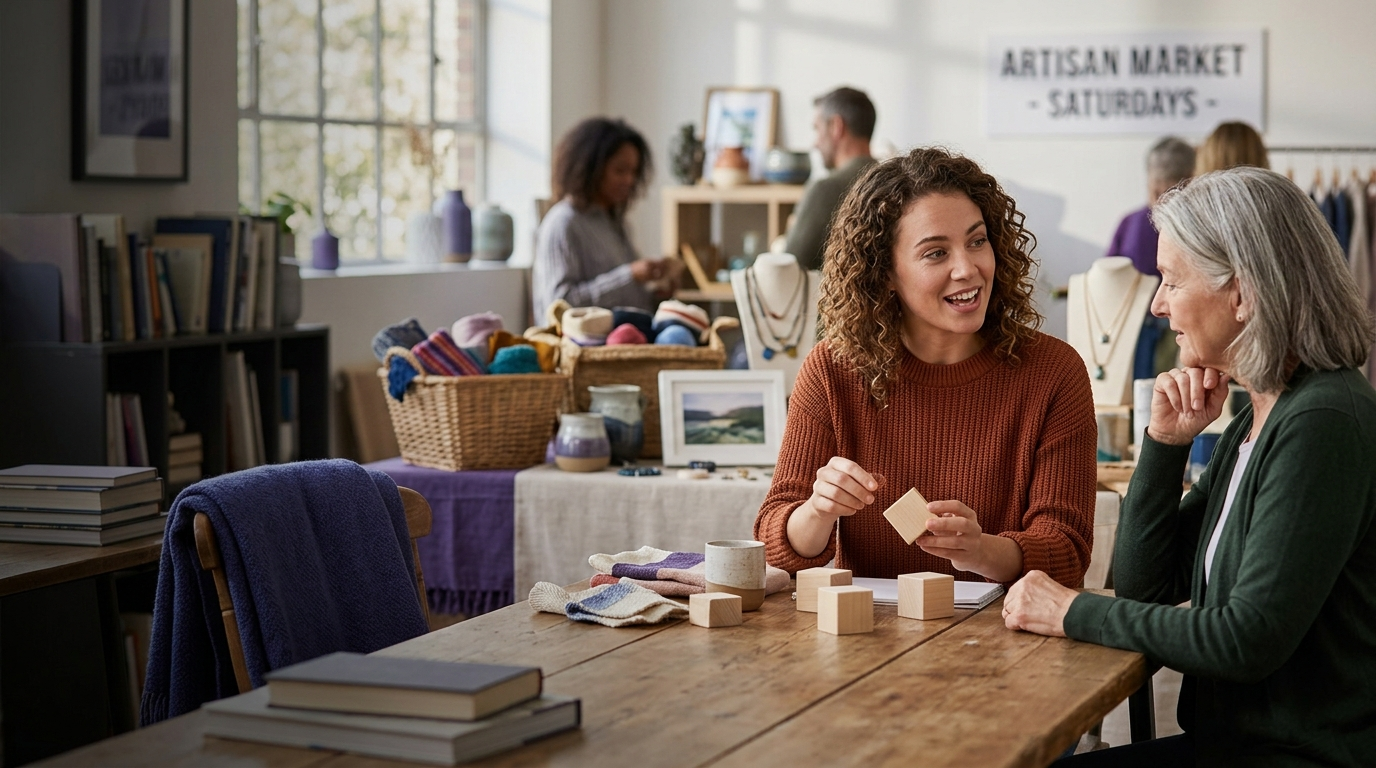
Utilisez les images comme invites à idées. Décrivez ce que vous remarquez, reliez-le à votre expérience, puis répondez à la vraie question.
Des réponses modèles, entendues côte à côte
Commencez par la réponse la plus simple, changez Band pour entendre comment la même tâche peut être développée, puis enregistrez une réponse personnelle. Ce sont des exemples pédagogiques, pas des réponses officielles ni des garanties de scores.
Partie 2 — Modèle de réponse
Part 2 cue-card response
I like shopping at the Green Lane Supermarket. It is near my flat in the city centre, about ten minutes away. I visit it once or twice a week, usually at the weekend. I buy food there like fruit, milk and bread. Sometimes I buy ready meals if I am busy. The staff are friendly and it is clean. It is cheap and handy, so I go there often.
The place I enjoy shopping is called Riverside Market, a compact indoor market near the riverfront in my city. It’s on the south bank, about a twenty-minute walk from where I live, so it’s very easy to get to after work or at the weekend. I go there roughly once every two weeks, sometimes more if I’m looking for something specific or if there’s a food fair; visiting less often if I’m busy with work. What I usually buy are fresh groceries, artisan bread and sometimes small household items such as candles or kitchen utensils — I like supporting local producers. I also often pick up a ready-to-eat snack from a street-food stall and sit by the water while I eat. The market has a friendly atmosphere and the stallholders remember regular customers, so I enjoy the personal touch; for example, the baker knows I prefer sourdough and will reserve a loaf for me. Prices are reasonable and there’s a good variety, which means I can combine practical shopping with a little treat. In summer there's a pop-up florist and in winter they sell mulled cider, so the experience changes with the seasons.
Partie 3 — Modèle de réponses
Why do people buy things they don't need?
People buy things they don’t need sometimes because they feel tempted by sales or adverts. It makes them feel good for a short time, like a treat. Also friends or social media can make people want the same items. Sometimes people buy out of boredom.
There are a few reasons. Impulse buying is common — attractive displays, online ads or a limited-time offer can make someone buy without thinking. Emotion also plays a part: shopping can lift the mood or mark a celebration, so people purchase unnecessary items as a quick reward. Social factors matter too; if friends or influencers are using a product, people often want to keep up. In short, a mix of marketing, emotion and social pressure drives these purchases.
Do you think it's a waste of time to go shopping?
I don’t think shopping is always a waste of time. If you need something it’s useful. Going shopping can also be fun and a way to meet friends. But if you just wander for hours it might feel like wasting time.
It depends on the purpose. Shopping with a clear list or for necessities is practical and not a waste; it saves time later. Equally, shopping can be a form of leisure — meeting friends, trying new food or discovering independent shops — which isn’t wasted if you enjoy it. However, aimless browsing with no purpose can feel like poor use of time for some people, especially if it leaves you tired or overspending.
Why are some people keen on shopping?
Some people like shopping because it is enjoyable and relaxing. They like choosing things and finding bargains. For some it is a hobby. Also shopping can be social, like meeting friends.
Many people treat shopping as a hobby or a form of retail therapy. The act of finding the right item, hunting for a bargain and making a choice can be satisfying and even give a small dopamine boost. For others it’s mainly social — an excuse to spend time with friends or family — while some enjoy collecting things or updating their wardrobe as a way to express identity. In short, it meets emotional, social and practical needs.
What kind of people like shopping?
People who like shopping are often younger or those who care about fashion. Also those with more money can buy more. Some older people like shopping for hobbies or because they enjoy looking around.
There isn’t one type of person — shopping appeals across ages and backgrounds, but different groups shop for different reasons. Fashion-conscious people and trend-followers enjoy exploring new styles, while bargain hunters relish sales and clearance events. Families might prefer practical shopping for home and children, and retirees sometimes enjoy a stroll along the high street as a social activity. Income, interests and lifestyle shape who shops and why.
Where do people like to shop in your country?
In my country people like to shop in shopping centres and supermarkets. Some people also go to local markets for fresh food. Online shopping is popular too, especially for clothes and electronics.
People tend to choose a mix of places. The high street and shopping centres remain popular for clothes, leisure and eating out because they offer a full experience. Local markets and independent shops attract those looking for fresh food or distinctive items, while online retailers are increasingly used for convenience and wider choice. Regional habits vary — city dwellers might prefer boutique shops and markets, whereas people outside cities rely more on large supermarkets and online delivery.
Do you think women like shopping more than men?
I think it depends on the person rather than just gender. Some women enjoy shopping more, but many men do too. Interests and upbringing matter more than being a man or woman.
It’s an oversimplification to say women like shopping more than men. Research shows small differences in shopping habits, but tastes depend on personality, cultural expectations and the type of goods involved. For example, men might spend more time researching electronics online while women might browse clothes in shops, although this is changing. In short, shopping preferences are shifting and the gender gap is narrowing.
Statut de la pratique : sujet archivé d'un cycle précédent de banque de questions. Elle reste utile pour la pratique des compétences mais n'est pas présentée comme une question d'examen actuelle ou garantie. Comment les sujets sont étiquetés.
Comment répondre Décrivez un endroit où vous aimez faire du shopping Questions orales IELTS
Pour la carte signalétique Décrire un endroit où vous aimez faire du shopping, utilisez la minute de préparation pour construire un itinéraire à travers l'exposé. Choisissez un sujet clair, ajoutez deux moments ou détails spécifiques et terminez par pourquoi c'est important. Utilisez ensuite les questions liées de la partie 3 pour pratiquer des explications et des comparaisons plus larges.
Invites de la carte aide-mémoire :
- Quel est son nom
- Où c'est
- À quelle fréquence vous le visitez
- Ce que vous y achetez habituellement
- Ouverture : identifier la personne, le lieu, l'objet ou l'événement.
- Développement : décrire deux détails ou moments dans un ordre logique.
- Extension : expliquer une raison, un résultat, une comparaison ou un problème.
- Réflexion : terminez par pourquoi le sujet est mémorable ou important.
Approche question par question
| Question pratique | Mouvement de réponse utile |
|---|---|
| Why do people buy things they don't need? | Répondez par une cause principale, puis soutenez-la par un exemple concret. |
| Do you think it's a waste of time to go shopping? | Énoncez un point de vue probable, expliquez la raison et ajoutez une condition ou un exemple. |
| Why are some people keen on shopping? | Répondez par une cause principale, puis soutenez-la par un exemple concret. |
| What kind of people like shopping? | Nommez d’abord la chose, puis décrivez une fonctionnalité ou un exemple spécifique. |
Focus sur le vocabulaire
Le langage utile déjà démontré dans les réponses modèles comprend impulse buying, limited-time offer, social pressure, aimless browsing, purposeful shopping, leisure activity, retail therapy, bargain hunter. Apprenez chaque signification et un partenariat de mots naturel, puis utilisez l'élément dans une nouvelle réponse au lieu de copier un script complet.
Erreurs courantes à éviter
- Donner une réponse mémorisée qui ne répond que partiellement à la question.
- Ajouter du vocabulaire difficile sans vérifier le sens ou la collocation.
- Redémarrer après chaque erreur au lieu de corriger brièvement et de continuer.
- Lisez la réponse modèle avant d’enregistrer votre propre première tentative.
Décrivez un endroit où vous aimez faire du shopping FAQ
Comment dois-je utiliser la minute de préparation de la carte d'aide Décrire un endroit où vous aimez faire du shopping ?
Écrivez des mots-clés pour une introduction, deux ou trois détails et une réflexion finale. N'essayez pas d'écrire des phrases complètes.
Dois-je couvrir chaque puce de la carte signalétique ?
Les invites vous aident à organiser la discussion. Les couvrir est utile, mais une réponse cohérente d’une à deux minutes compte plus que de cocher mécaniquement chaque ligne.
Quel est le lien entre les questions de la partie 3 et la partie 2 ?
Ils développent le même thème général à travers des raisons, des comparaisons, des effets sociaux ou des possibilités futures, de sorte que les réponses nécessitent normalement plus d'explications que la première partie.
