
IELTS Speaking Part 1 : Shopping Questions et réponses
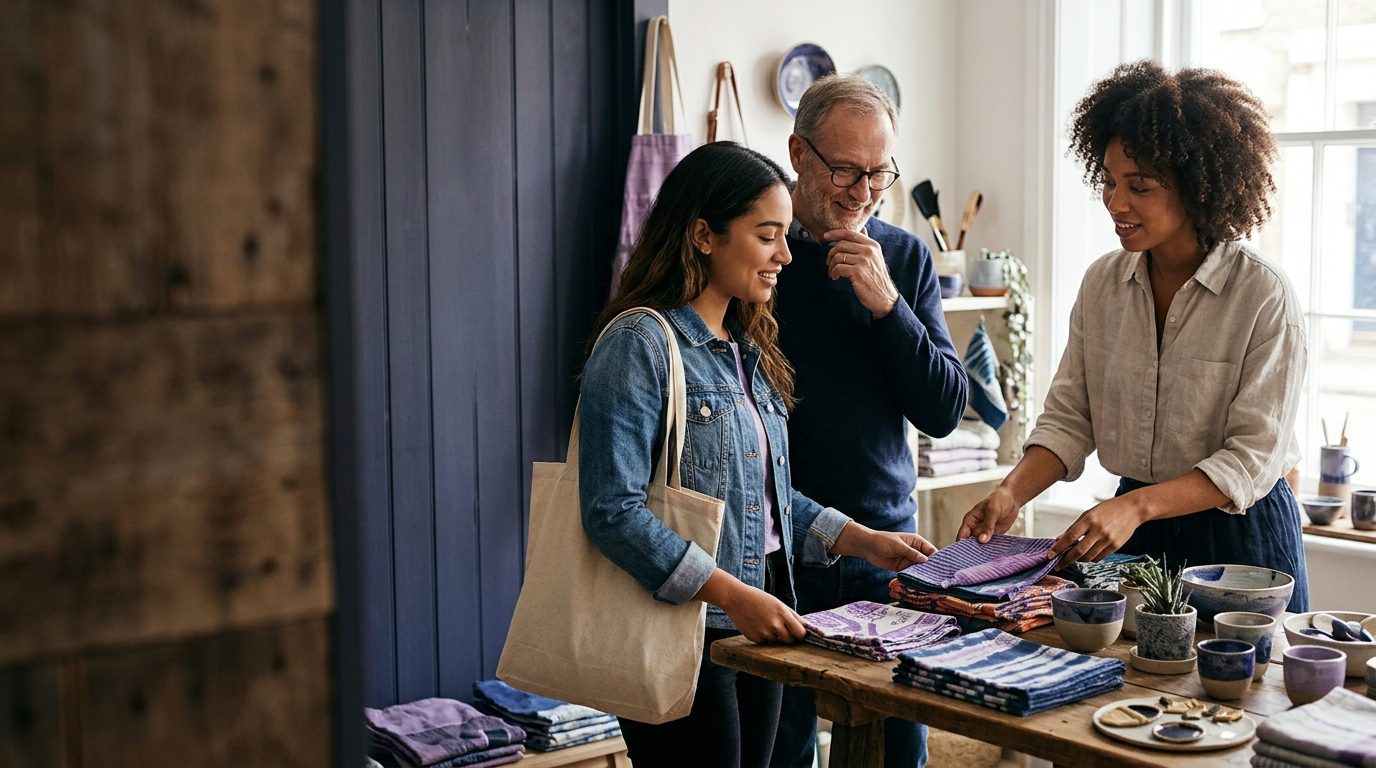
Questions de la première partie
Déplacez une question à la fois : écoutez, répondez, comparez et réessayez. Le texte complet de la question reste dans la page HTML pour l'accessibilité et la recherche.
- 01Do you like shopping?Full Band 6/7 answer →
- 02Do you compare prices when you shop? Why?
- 03Is it difficult for you to make choices when you shop?
- 04Do you think expensive products are always better than cheaper ones?
- 05How often do you go shopping?
- 06Do you prefer online shopping or in-store shopping?
- 07Have you ever returned anything you bought online?
Lire la transcription complète
En général, j'aime faire du shopping, même si cela dépend de ce dont j'ai besoin. J'aime parcourir les magasins et les marchés indépendants car on peut trouver des choses intéressantes et cela semble plus personnel. Je fais également mes achats en ligne pour plus de commodité, surtout lorsque je manque de temps, mais je n’aime pas les centres commerciaux très fréquentés le week-end – ils peuvent être écrasants. Dans l’ensemble, je considère le shopping comme un mélange de plaisir et de nécessité pratique.
État de préparation : cycle thématique prévu. Cette ressource de pratique indépendante n'est pas un document officiel de l'IELTS et les questions de votre test peuvent être différentes. Comment les sujets sont étiquetés.
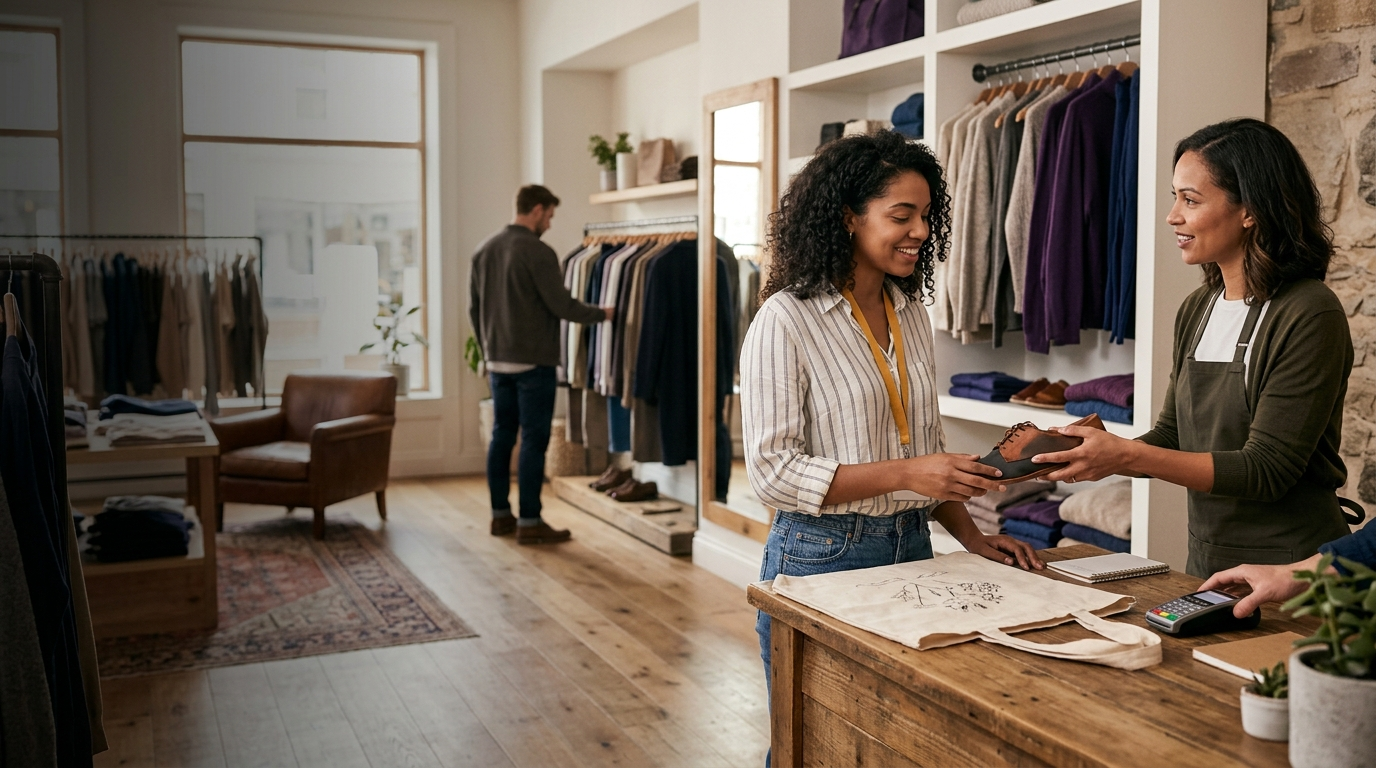
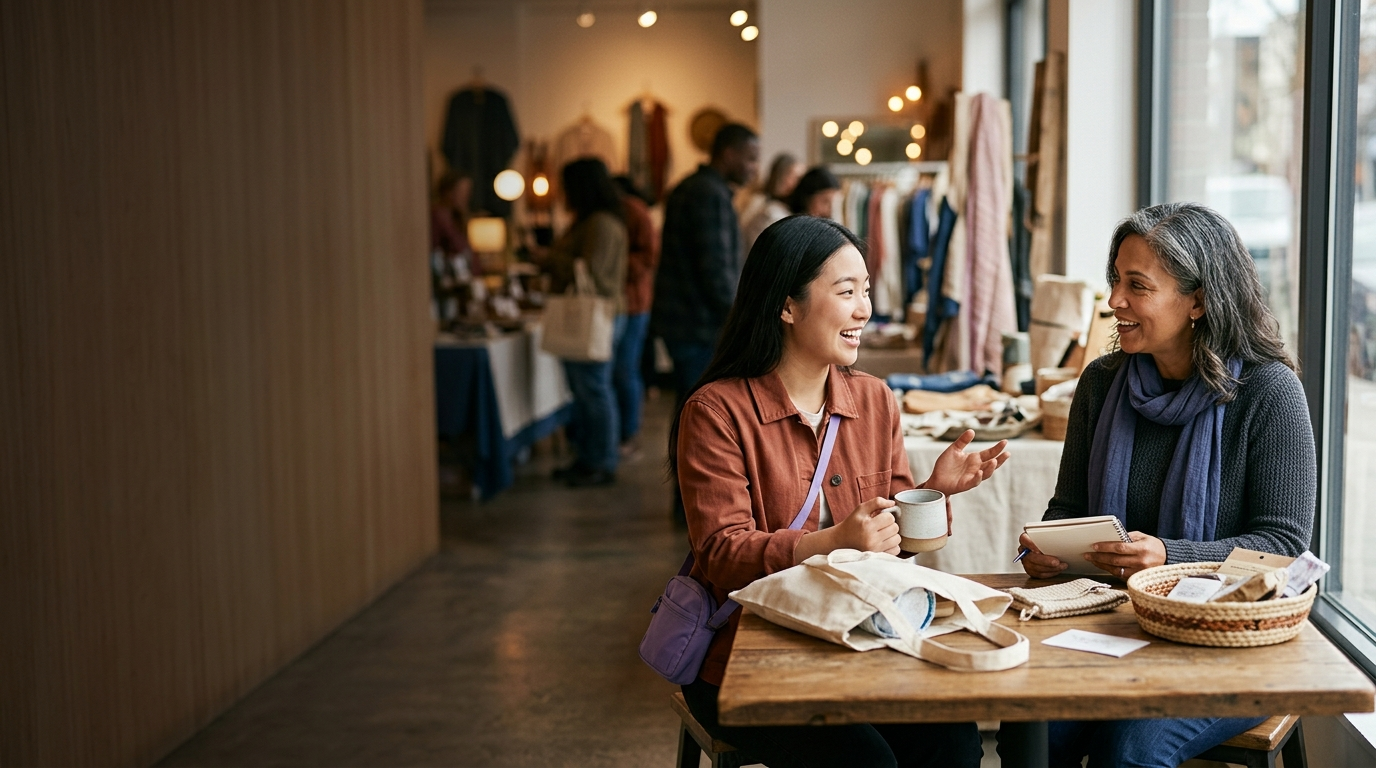
Voir le sujet avant de parler
Utilisez les images comme invites à idées. Décrivez ce que vous remarquez, reliez-le à votre expérience, puis répondez à la vraie question.
Des réponses modèles, entendues côte à côte
Commencez par la réponse la plus simple, changez Band pour entendre comment la même tâche peut être développée, puis enregistrez une réponse personnelle. Ce sont des exemples pédagogiques, pas des réponses officielles ni des garanties de scores.
Do you like shopping?
Yes, I do like shopping. I enjoy buying clothes and food. Sometimes I go to the shops at the weekend. I find it relaxing to look around and pick things I need.
Yes, I do — though it depends what I’m buying. I enjoy browsing for clothes or home bits because I like seeing things in person, but I’m less keen on long supermarket trips. Shopping can also be a nice way to socialise or get ideas for the flat.
Generally I do — but not all shopping feels the same. I enjoy pottering around boutiques or markets and finding something a bit different, which I find quite relaxing. For everyday essentials I treat it as a practical chore, but I’ll happily spend time choosing something special. It’s a mix of relaxation and practicality for me.
Do you compare prices when you shop? Why?
Yes, I often compare prices. I look for the cheapest option so I can save money. Sometimes I check my phone when I’m in the shop.
Yes, I usually compare prices, especially for bigger purchases. I’ll check a few websites or use a price comparison app to make sure I’m getting a good deal. For small items I might not bother, but for appliances or electronics I definitely check.
Absolutely — I make a point of shopping around, particularly for higher-cost items. I compare unit prices, look at customer reviews and consider warranties or after-sales service. It’s about getting value for money rather than just the lowest price.
Is it difficult for you to make choices when you shop?
Sometimes it’s hard. When there are many choices I can’t decide. I often ask a friend or pick the middle one.
I do struggle occasionally, especially when there are lots of similar options. I find reviews and ratings helpful, and I try to set a few must-have points to narrow things down. That usually helps avoid buying the wrong thing.
I can, yes — too many choices sometimes lead me to overthink. To avoid that I set clear priorities (budget, purpose, durability) and eliminate options that don’t meet them. That stops me going into analysis paralysis and makes the decision quicker.
Do you think expensive products are always better than cheaper ones?
No, I don’t think so. Sometimes expensive things are better, but not always. Cheaper items can be good enough.
Not necessarily. Expensive products can be better in terms of materials or build, but often you’re also paying for a brand name. I try to judge on durability and reviews rather than price alone.
Not always. Higher price often reflects better materials or craftsmanship, but there are diminishing returns — a product can cost a lot more without offering proportionally greater benefits. I weigh price against expected lifespan, warranty and whether it really meets my needs.
How often do you go shopping?
I go shopping about once a week for food. I buy clothes or other things less often, maybe a few times a year.
I shop for groceries about once a week, with a bigger shop every few weeks. I’ll buy clothes or household items only when I need them, perhaps once a month or so. I also make small online orders between trips.
I’d say I do a quick run to the shops two or three times a week for fresh food, with a main shop roughly every fortnight. Clothes and bigger items I buy less frequently, and I tend to top up household supplies online as needed.
Do you prefer online shopping or in-store shopping?
I prefer online shopping because it’s easy and fast. But for clothes I like to go in store to try things on.
I usually prefer online shopping for convenience and choice, especially for everyday items. For clothing or shoes I still go into a shop so I can try things on. I also like click-and-collect when I need something quickly.
I tend to favour online shopping for routine purchases — it’s efficient, I can compare options quickly and get reviews. But for anything that needs fitting or where the look matters, I prefer in-store. I also appreciate the hybrid approach, like click-and-collect, which combines convenience with immediacy.
Have you ever returned anything you bought online?
Yes, I have. I returned a pair of shoes that didn’t fit. The shop gave me a refund and it was easy.
Yes, I’ve returned things a couple of times — mainly clothes that didn’t fit or an item that looked different to the photos. The process was straightforward with prepaid return labels, though refunds sometimes took a week or two.
Yes, a few times. The most recent was a jacket that didn’t match the description; the retailer sent a returns label and refunded me within a few days. After that I started checking size guides and reviews more carefully and now I avoid most returns.
Comment répondre aux questions orales de l'IELTS Shopping
This Shopping set contains 7 short interview questions. Start each answer with the information the examiner asked for, then extend it with one reason, example or contrast. The goal is spontaneous, connected speech—not a mini-essay.
- Répondez à la question exacte dans la première phrase.
- Ajoutez une raison ou des détails personnels spécifiques.
- Utilisez un exemple ou un contraste uniquement lorsqu'il ajoute de nouvelles informations.
- Terminez naturellement et laissez l'examinateur poser la question suivante.
Approche question par question
| Question pratique | Mouvement de réponse utile |
|---|---|
| Do you like shopping? | Répondez directement, donnez une raison et ajoutez un détail personnel naturel. |
| Do you compare prices when you shop? Why? | Répondez directement, donnez une raison et ajoutez un détail personnel naturel. |
| Is it difficult for you to make choices when you shop? | Répondez directement, donnez une raison et ajoutez un détail personnel naturel. |
| Do you think expensive products are always better than cheaper ones? | Énoncez un point de vue probable, expliquez la raison et ajoutez une condition ou un exemple. |
Focus sur le vocabulaire
Le langage utile déjà démontré dans les réponses modèles comprend browse, potter around, essentials, value for money, shop around, unit price, overwhelmed, analysis paralysis. Apprenez chaque signification et un partenariat de mots naturel, puis utilisez l'élément dans une nouvelle réponse au lieu de copier un script complet.
Erreurs courantes à éviter
- Donner une réponse mémorisée qui ne répond que partiellement à la question.
- Ajouter du vocabulaire difficile sans vérifier le sens ou la collocation.
- Redémarrer après chaque erreur au lieu de corriger brièvement et de continuer.
- Lisez la réponse modèle avant d’enregistrer votre propre première tentative.
FAQ sur les pratiques d'achat
Combien de temps ma réponse doit-elle durer pour Shopping dans la partie 1 ?
Visez une réponse directe accompagnée d’une raison ou d’un détail, généralement de deux à quatre phrases. Arrêtez-vous lorsque l'idée est terminée plutôt que de forcer un nombre de mots fixe.
Dois-je mémoriser les réponses du modèle Shopping ?
Non. Utilisez-les pour remarquer la structure et le langage, puis répondez à partir de votre propre expérience. La formulation mémorisée peut échouer lorsque l'examinateur modifie la question.
Que faire si je n'ai aucune expérience du sujet ?
Dites-le honnêtement, puis expliquez une préférence, une observation ou un exemple hypothétique connexe. Vous êtes évalué sur la langue et non sur les connaissances spécialisées.
