
IELTS Konuşma Bölüm 1: Shopping Sorular ve Cevaplar
Bölüm 1 soruları
Her seferinde bir soruyu hareket ettirin: dinleyin, yanıtlayın, karşılaştırın ve yeniden deneyin. Erişilebilirlik ve arama için soru metninin tamamı sayfa HTML'sinde kalır.
- 01Do you like shopping?Full Band 6/7 answer →
- 02Do you compare prices when you shop? Why?
- 03Is it difficult for you to make choices when you shop?
- 04Do you think expensive products are always better than cheaper ones?
- 05How often do you go shopping?
- 06Do you prefer online shopping or in-store shopping?
- 07Have you ever returned anything you bought online?
Transkriptin tamamını okuyun
Neye ihtiyacım olduğuna bağlı olsa da genel olarak alışveriş yapmaktan hoşlanırım. Bağımsız mağazalara ve pazarlara göz atmayı seviyorum çünkü ilginç şeyler bulabilirsiniz ve bu daha kişisel hissettirir. Ayrıca, özellikle zamanım kısıtlı olduğunda kolaylık olsun diye internetten alışveriş yapıyorum, ancak hafta sonları yoğun alışveriş merkezlerinden hoşlanmıyorum; bunaltıcı olabiliyorlar. Genel olarak alışverişi zevk ve pratik gerekliliğin bir karışımı olarak görüyorum.
Hazırlık durumu: Tahmin edilen konu döngüsü. Bu bağımsız uygulama kaynağı resmi bir IELTS sınavı değildir ve sınavınızdaki sorular farklı olabilir. Konular nasıl etiketlenir?.
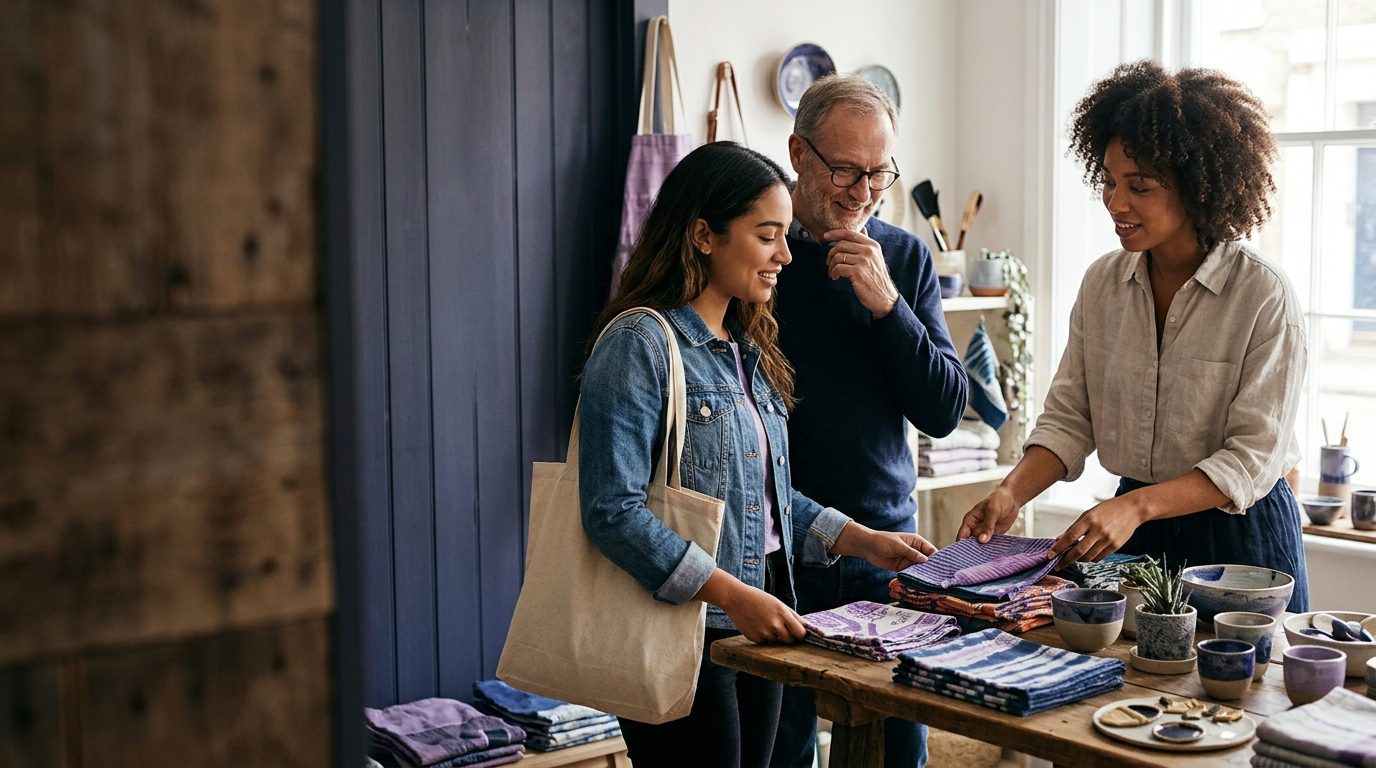
Konuşmadan önce konuya bakın
Görüntüleri fikir istemleri olarak kullanın. Neyi fark ettiğinizi açıklayın, bunu deneyiminizle ilişkilendirin ve ardından asıl soruyu yanıtlayın.


Yan yana duyulan model yanıtları
Daha basit cevapla başlayın, aynı görevin nasıl geliştirilebileceğini duymak için Band'yi değiştirin, ardından kişisel bir yanıtı kaydedin. Bunlar öğretim örnekleridir, resmi cevaplar veya puan garantisi değildir.
Do you like shopping?
Yes, I do like shopping. I enjoy buying clothes and food. Sometimes I go to the shops at the weekend. I find it relaxing to look around and pick things I need.
Yes, I do — though it depends what I’m buying. I enjoy browsing for clothes or home bits because I like seeing things in person, but I’m less keen on long supermarket trips. Shopping can also be a nice way to socialise or get ideas for the flat.
Generally I do — but not all shopping feels the same. I enjoy pottering around boutiques or markets and finding something a bit different, which I find quite relaxing. For everyday essentials I treat it as a practical chore, but I’ll happily spend time choosing something special. It’s a mix of relaxation and practicality for me.
Do you compare prices when you shop? Why?
Yes, I often compare prices. I look for the cheapest option so I can save money. Sometimes I check my phone when I’m in the shop.
Yes, I usually compare prices, especially for bigger purchases. I’ll check a few websites or use a price comparison app to make sure I’m getting a good deal. For small items I might not bother, but for appliances or electronics I definitely check.
Absolutely — I make a point of shopping around, particularly for higher-cost items. I compare unit prices, look at customer reviews and consider warranties or after-sales service. It’s about getting value for money rather than just the lowest price.
Is it difficult for you to make choices when you shop?
Sometimes it’s hard. When there are many choices I can’t decide. I often ask a friend or pick the middle one.
I do struggle occasionally, especially when there are lots of similar options. I find reviews and ratings helpful, and I try to set a few must-have points to narrow things down. That usually helps avoid buying the wrong thing.
I can, yes — too many choices sometimes lead me to overthink. To avoid that I set clear priorities (budget, purpose, durability) and eliminate options that don’t meet them. That stops me going into analysis paralysis and makes the decision quicker.
Do you think expensive products are always better than cheaper ones?
No, I don’t think so. Sometimes expensive things are better, but not always. Cheaper items can be good enough.
Not necessarily. Expensive products can be better in terms of materials or build, but often you’re also paying for a brand name. I try to judge on durability and reviews rather than price alone.
Not always. Higher price often reflects better materials or craftsmanship, but there are diminishing returns — a product can cost a lot more without offering proportionally greater benefits. I weigh price against expected lifespan, warranty and whether it really meets my needs.
How often do you go shopping?
I go shopping about once a week for food. I buy clothes or other things less often, maybe a few times a year.
I shop for groceries about once a week, with a bigger shop every few weeks. I’ll buy clothes or household items only when I need them, perhaps once a month or so. I also make small online orders between trips.
I’d say I do a quick run to the shops two or three times a week for fresh food, with a main shop roughly every fortnight. Clothes and bigger items I buy less frequently, and I tend to top up household supplies online as needed.
Do you prefer online shopping or in-store shopping?
I prefer online shopping because it’s easy and fast. But for clothes I like to go in store to try things on.
I usually prefer online shopping for convenience and choice, especially for everyday items. For clothing or shoes I still go into a shop so I can try things on. I also like click-and-collect when I need something quickly.
I tend to favour online shopping for routine purchases — it’s efficient, I can compare options quickly and get reviews. But for anything that needs fitting or where the look matters, I prefer in-store. I also appreciate the hybrid approach, like click-and-collect, which combines convenience with immediacy.
Have you ever returned anything you bought online?
Yes, I have. I returned a pair of shoes that didn’t fit. The shop gave me a refund and it was easy.
Yes, I’ve returned things a couple of times — mainly clothes that didn’t fit or an item that looked different to the photos. The process was straightforward with prepaid return labels, though refunds sometimes took a week or two.
Yes, a few times. The most recent was a jacket that didn’t match the description; the retailer sent a returns label and refunded me within a few days. After that I started checking size guides and reviews more carefully and now I avoid most returns.
Alışveriş IELTS Konuşma Sorularına Nasıl Cevap Verilir?
This Shopping set contains 7 short interview questions. Start each answer with the information the examiner asked for, then extend it with one reason, example or contrast. The goal is spontaneous, connected speech—not a mini-essay.
- İlk cümledeki soruyu tam olarak cevaplayın.
- Bir neden veya belirli bir kişisel ayrıntı ekleyin.
- Bir örneği veya karşıtlığı yalnızca yeni bilgiler eklediğinde kullanın.
- Doğal bir şekilde bitirin ve sınav görevlisinin bir sonraki soruyu sormasına izin verin.
Soru bazında yaklaşım
| Alıştırma sorusu | Yararlı cevap hamlesi |
|---|---|
| Do you like shopping? | Doğrudan yanıtlayın, bir neden belirtin ve doğal bir kişisel ayrıntı ekleyin. |
| Do you compare prices when you shop? Why? | Doğrudan yanıtlayın, bir neden belirtin ve doğal bir kişisel ayrıntı ekleyin. |
| Is it difficult for you to make choices when you shop? | Doğrudan yanıtlayın, bir neden belirtin ve doğal bir kişisel ayrıntı ekleyin. |
| Do you think expensive products are always better than cheaper ones? | Olası bir görüşü belirtin, nedenini açıklayın ve bir koşul veya örnek ekleyin. |
Kelime odağı
Model cevaplarında halihazırda gösterilen faydalı dil şunları içerir: browse, potter around, essentials, value for money, shop around, unit price, overwhelmed, analysis paralysis. Her bir anlamı ve doğal kelime ortaklığını öğrenin, ardından tüm metni kopyalamak yerine öğeyi yeni bir yanıtta kullanın.
Kaçınılması gereken yaygın hatalar
- Soruyu yalnızca kısmen yanıtlayan ezberlenmiş bir yanıt vermek.
- Anlamı veya sıralamayı kontrol etmeden zor kelimeleri eklemek.
- Her hatadan sonra kısa süreliğine düzeltme yapıp devam etmek yerine yeniden başlatmak.
- İlk denemenizi kaydetmeden önce model cevabını okuyun.
Alışveriş uygulamalarıyla ilgili SSS
1. Bölümde Alışverişe cevabım ne kadar olmalı?
Doğrudan bir yanıtın yanı sıra bir neden veya ayrıntıyı (genellikle iki ila dört cümle) hedefleyin. Sabit bir kelime sayımına zorlamak yerine fikir tamamlandığında durun.
Alışveriş modeli cevaplarını ezberlemeli miyim?
Hayır. Yapıyı ve dili fark etmek için bunları kullanın, ardından kendi deneyiminize göre yanıt verin. Sınavı yapan kişi soruyu değiştirdiğinde ezberlenen ifadeler başarısız olabilir.
Konuyla ilgili deneyimim yoksa ne olur?
Bunu dürüstçe söyleyin, ardından ilgili tercihi, gözlemi veya varsayımsal örneği açıklayın. Uzmanlık bilgisine göre değil, dile göre değerlendirilirsiniz.
