
IELTS Speaking Bagian 1: Shopping Tanya Jawab
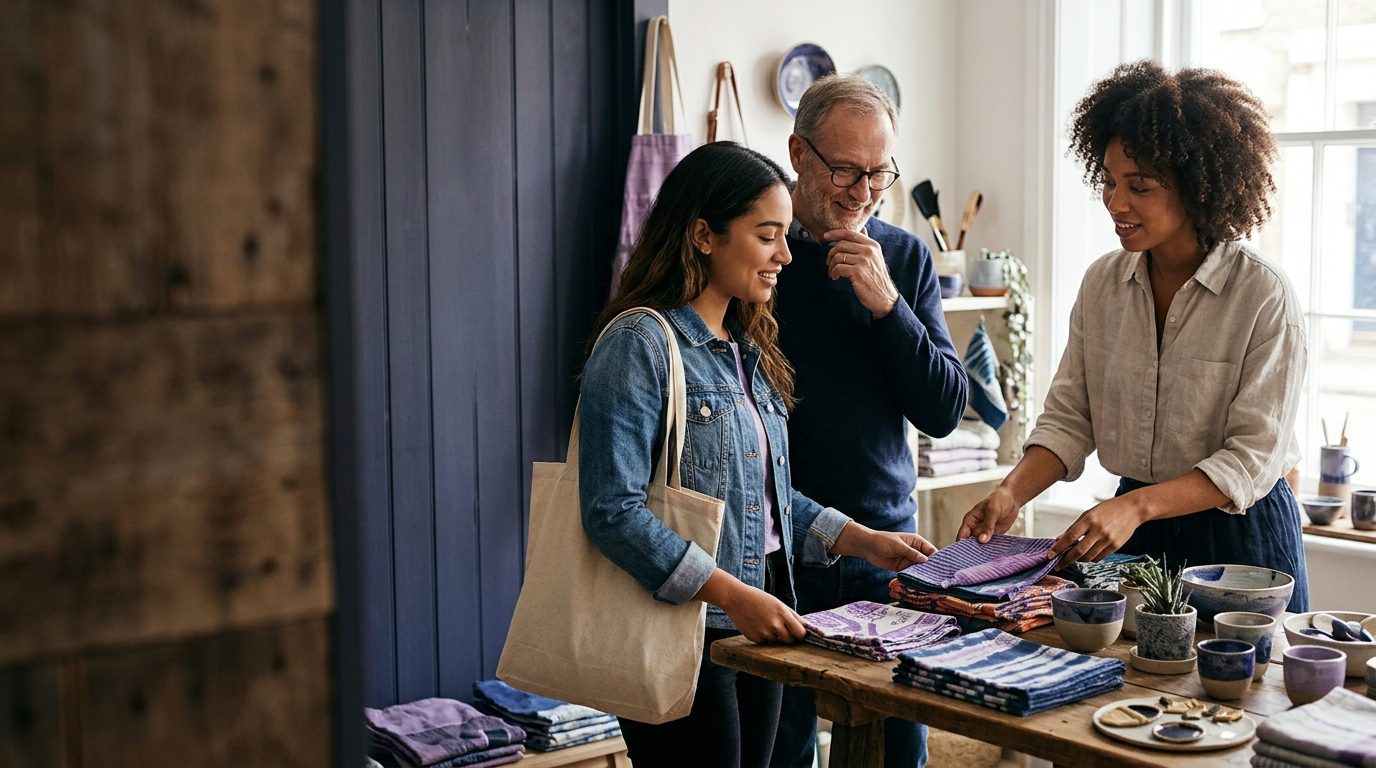
Pertanyaan bagian 1
Pindahkan pertanyaan satu per satu: dengarkan, jawab, bandingkan, dan coba lagi. Teks pertanyaan lengkap tetap ada di halaman HTML untuk aksesibilitas dan pencarian.
- 01Do you like shopping?Full Band 6/7 answer →
- 02Do you compare prices when you shop? Why?
- 03Is it difficult for you to make choices when you shop?
- 04Do you think expensive products are always better than cheaper ones?
- 05How often do you go shopping?
- 06Do you prefer online shopping or in-store shopping?
- 07Have you ever returned anything you bought online?
Baca transkrip lengkapnya
Secara umum saya senang berbelanja, meskipun itu tergantung kebutuhan saya. Saya suka menjelajahi toko dan pasar independen karena Anda dapat menemukan hal-hal menarik dan terasa lebih personal. Saya juga berbelanja online untuk kenyamanan, terutama saat saya tidak punya banyak waktu, namun saya tidak menyukai pusat perbelanjaan yang sibuk di akhir pekan — pusat perbelanjaan bisa sangat melelahkan. Secara keseluruhan, saya melihat berbelanja sebagai perpaduan antara kesenangan dan kebutuhan praktis.
Status persiapan: Siklus topik yang diprediksi. Sumber latihan mandiri ini bukan makalah IELTS resmi, dan soal-soal dalam tes Anda bisa berbeda. Bagaimana topik diberi label.
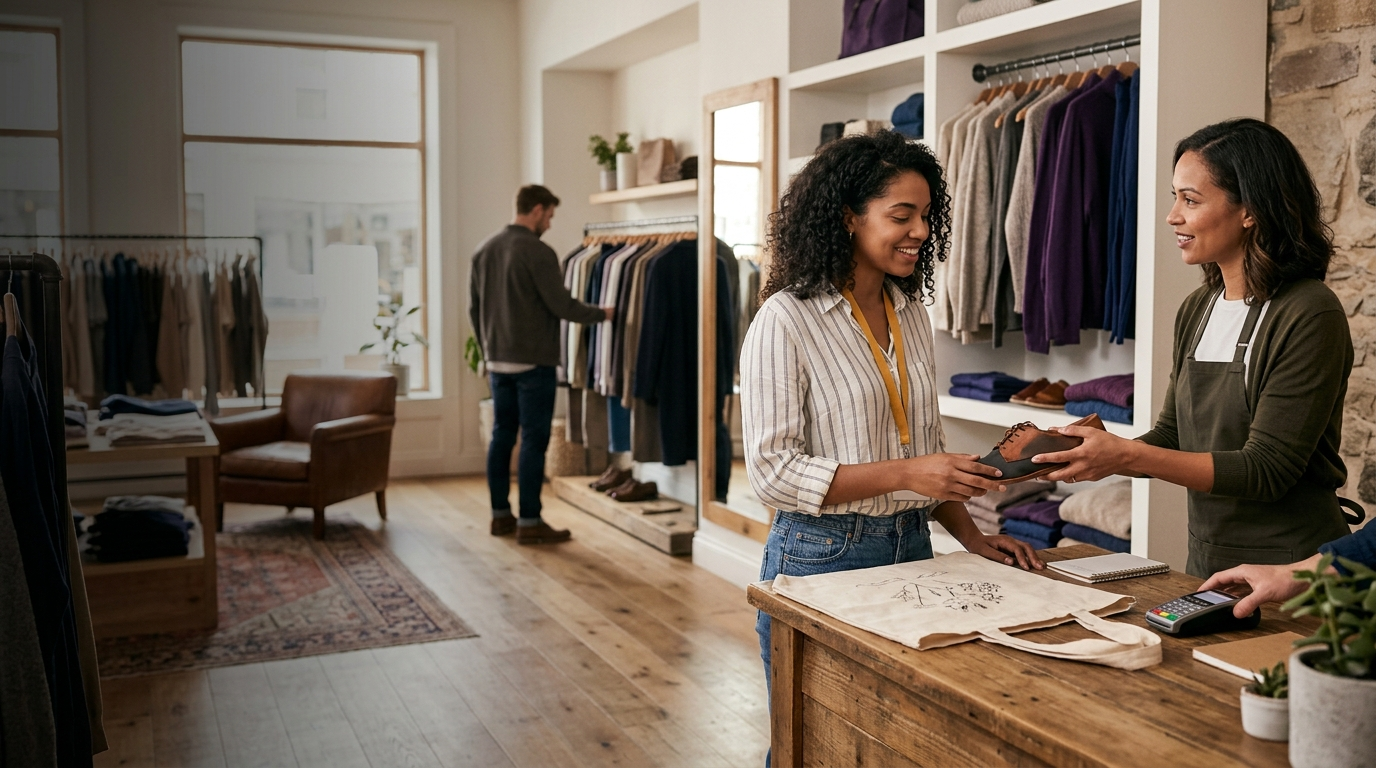
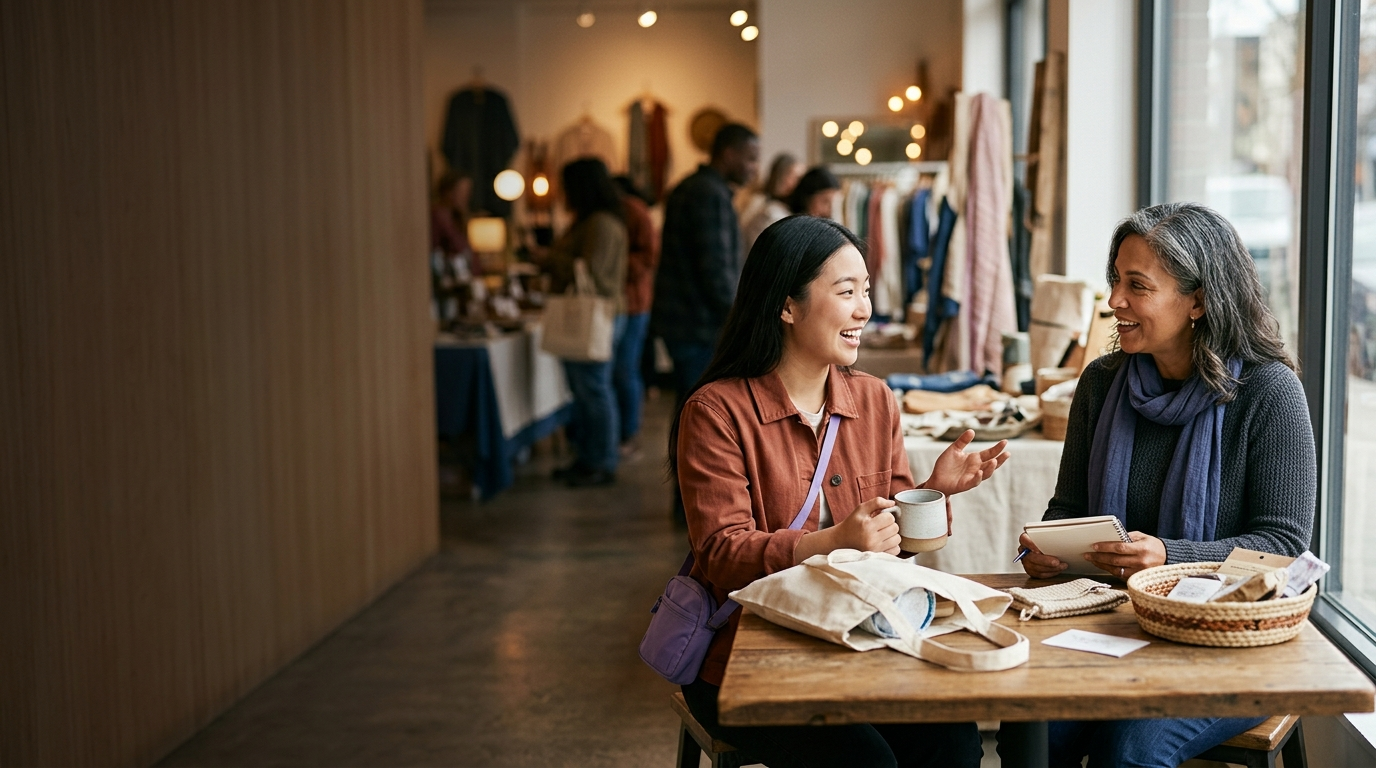
Lihat topiknya sebelum Anda berbicara
Gunakan gambar sebagai petunjuk ide. Jelaskan apa yang Anda perhatikan, hubungkan dengan pengalaman Anda, lalu jawab pertanyaan sebenarnya.
Jawaban model, terdengar berdampingan
Mulailah dengan jawaban yang lebih sederhana, alihkan Band untuk mendengarkan bagaimana tugas yang sama dapat dikembangkan, lalu catat tanggapan pribadi. Ini adalah contoh pengajaran, bukan jawaban resmi atau jaminan skor.
Do you like shopping?
Yes, I do like shopping. I enjoy buying clothes and food. Sometimes I go to the shops at the weekend. I find it relaxing to look around and pick things I need.
Yes, I do — though it depends what I’m buying. I enjoy browsing for clothes or home bits because I like seeing things in person, but I’m less keen on long supermarket trips. Shopping can also be a nice way to socialise or get ideas for the flat.
Generally I do — but not all shopping feels the same. I enjoy pottering around boutiques or markets and finding something a bit different, which I find quite relaxing. For everyday essentials I treat it as a practical chore, but I’ll happily spend time choosing something special. It’s a mix of relaxation and practicality for me.
Do you compare prices when you shop? Why?
Yes, I often compare prices. I look for the cheapest option so I can save money. Sometimes I check my phone when I’m in the shop.
Yes, I usually compare prices, especially for bigger purchases. I’ll check a few websites or use a price comparison app to make sure I’m getting a good deal. For small items I might not bother, but for appliances or electronics I definitely check.
Absolutely — I make a point of shopping around, particularly for higher-cost items. I compare unit prices, look at customer reviews and consider warranties or after-sales service. It’s about getting value for money rather than just the lowest price.
Is it difficult for you to make choices when you shop?
Sometimes it’s hard. When there are many choices I can’t decide. I often ask a friend or pick the middle one.
I do struggle occasionally, especially when there are lots of similar options. I find reviews and ratings helpful, and I try to set a few must-have points to narrow things down. That usually helps avoid buying the wrong thing.
I can, yes — too many choices sometimes lead me to overthink. To avoid that I set clear priorities (budget, purpose, durability) and eliminate options that don’t meet them. That stops me going into analysis paralysis and makes the decision quicker.
Do you think expensive products are always better than cheaper ones?
No, I don’t think so. Sometimes expensive things are better, but not always. Cheaper items can be good enough.
Not necessarily. Expensive products can be better in terms of materials or build, but often you’re also paying for a brand name. I try to judge on durability and reviews rather than price alone.
Not always. Higher price often reflects better materials or craftsmanship, but there are diminishing returns — a product can cost a lot more without offering proportionally greater benefits. I weigh price against expected lifespan, warranty and whether it really meets my needs.
How often do you go shopping?
I go shopping about once a week for food. I buy clothes or other things less often, maybe a few times a year.
I shop for groceries about once a week, with a bigger shop every few weeks. I’ll buy clothes or household items only when I need them, perhaps once a month or so. I also make small online orders between trips.
I’d say I do a quick run to the shops two or three times a week for fresh food, with a main shop roughly every fortnight. Clothes and bigger items I buy less frequently, and I tend to top up household supplies online as needed.
Do you prefer online shopping or in-store shopping?
I prefer online shopping because it’s easy and fast. But for clothes I like to go in store to try things on.
I usually prefer online shopping for convenience and choice, especially for everyday items. For clothing or shoes I still go into a shop so I can try things on. I also like click-and-collect when I need something quickly.
I tend to favour online shopping for routine purchases — it’s efficient, I can compare options quickly and get reviews. But for anything that needs fitting or where the look matters, I prefer in-store. I also appreciate the hybrid approach, like click-and-collect, which combines convenience with immediacy.
Have you ever returned anything you bought online?
Yes, I have. I returned a pair of shoes that didn’t fit. The shop gave me a refund and it was easy.
Yes, I’ve returned things a couple of times — mainly clothes that didn’t fit or an item that looked different to the photos. The process was straightforward with prepaid return labels, though refunds sometimes took a week or two.
Yes, a few times. The most recent was a jacket that didn’t match the description; the retailer sent a returns label and refunded me within a few days. After that I started checking size guides and reviews more carefully and now I avoid most returns.
Bagaimana menjawab pertanyaan Shopping IELTS Speaking
This Shopping set contains 7 short interview questions. Start each answer with the information the examiner asked for, then extend it with one reason, example or contrast. The goal is spontaneous, connected speech—not a mini-essay.
- Jawab pertanyaan persis di kalimat pertama.
- Tambahkan satu alasan atau detail pribadi tertentu.
- Gunakan contoh atau kontras hanya jika menambah informasi baru.
- Selesaikan secara alami dan biarkan penguji mengajukan pertanyaan berikutnya.
Pendekatan pertanyaan demi pertanyaan
| Soal latihan | Langkah jawaban yang berguna |
|---|---|
| Do you like shopping? | Jawab secara langsung, berikan alasan dan tambahkan satu detail pribadi yang alami. |
| Do you compare prices when you shop? Why? | Jawab secara langsung, berikan alasan dan tambahkan satu detail pribadi yang alami. |
| Is it difficult for you to make choices when you shop? | Jawab secara langsung, berikan alasan dan tambahkan satu detail pribadi yang alami. |
| Do you think expensive products are always better than cheaper ones? | Nyatakan kemungkinan pandangan, jelaskan alasannya dan tambahkan satu kondisi atau contoh. |
Fokus kosakata
Bahasa yang berguna sudah ditunjukkan dalam model jawaban yang disertakan browse, potter around, essentials, value for money, shop around, unit price, overwhelmed, analysis paralysis. Pelajari setiap arti dan hubungan kata yang alami, lalu gunakan item tersebut dalam jawaban baru alih-alih menyalin naskah lengkap.
Kesalahan umum yang harus dihindari
- Memberikan respon hafalan yang hanya menjawab sebagian pertanyaan.
- Menambah kosakata sulit tanpa memeriksa makna atau kolokasi.
- Memulai ulang setelah setiap kesalahan alih-alih mengoreksi sebentar dan melanjutkan.
- Membaca jawaban model sebelum merekam upaya pertama Anda.
FAQ praktik belanja
Berapa lama jawaban saya untuk Belanja di Bagian 1?
Bertujuan untuk jawaban langsung ditambah alasan atau detail, biasanya dua hingga empat kalimat. Berhentilah ketika ide sudah selesai daripada memaksakan jumlah kata yang tetap.
Haruskah saya menghafal jawaban model Belanja?
Tidak. Gunakan hal tersebut untuk memperhatikan struktur dan bahasa, lalu jawablah berdasarkan pengalaman Anda sendiri. Kata-kata yang dihafal bisa gagal ketika penguji mengubah pertanyaan.
Bagaimana jika saya tidak memiliki pengalaman tentang topik tersebut?
Katakan dengan jujur, lalu jelaskan preferensi, observasi, atau contoh hipotetis terkait. Anda dinilai berdasarkan bahasa, bukan pengetahuan khusus.
