
IELTS Nói Phần 1: Shopping Hỏi và Đáp
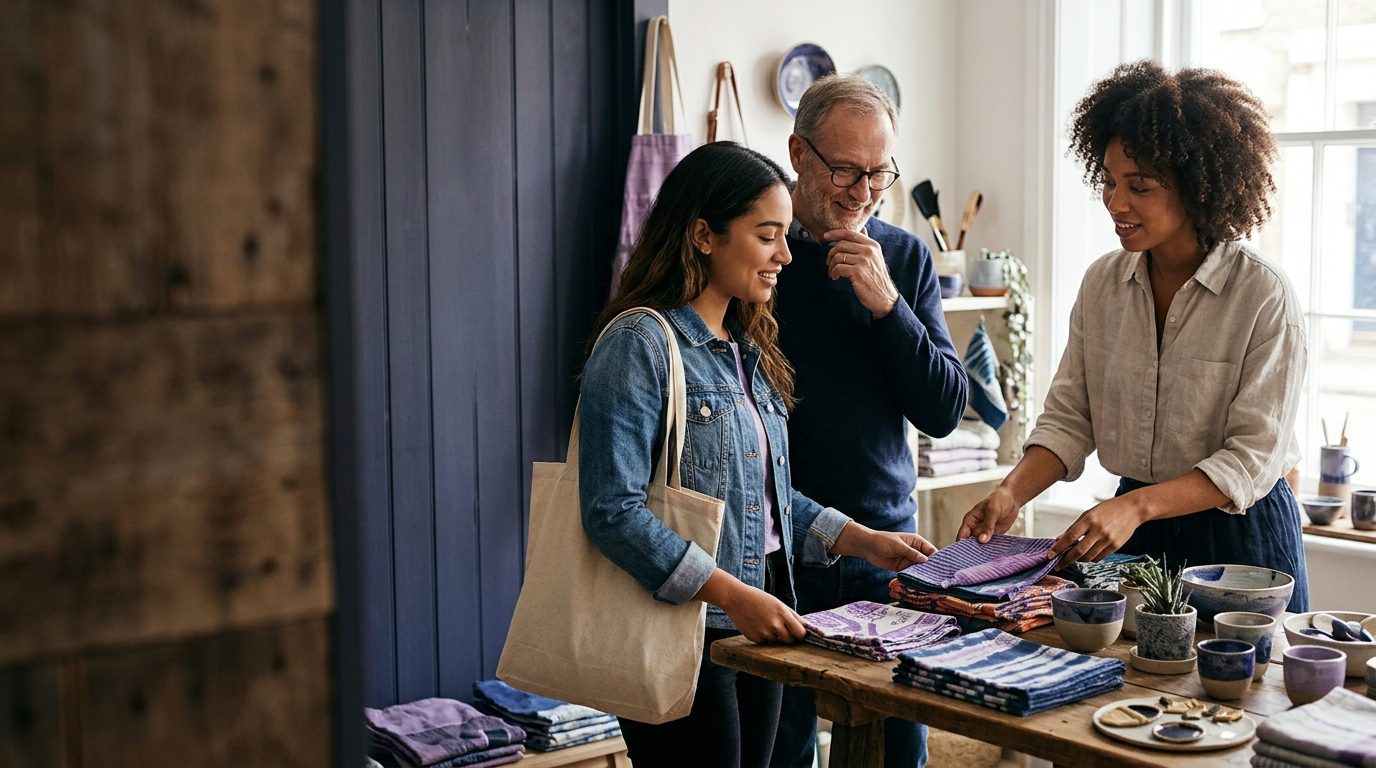
Câu hỏi phần 1
Di chuyển từng câu hỏi một: nghe, trả lời, so sánh và thử lại. Văn bản câu hỏi hoàn chỉnh vẫn còn trong trang HTML để truy cập và tìm kiếm.
- 01Do you like shopping?Full Band 6/7 answer →
- 02Do you compare prices when you shop? Why?
- 03Is it difficult for you to make choices when you shop?
- 04Do you think expensive products are always better than cheaper ones?
- 05How often do you go shopping?
- 06Do you prefer online shopping or in-store shopping?
- 07Have you ever returned anything you bought online?
Đọc bản ghi đầy đủ
Nói chung tôi thích mua sắm, mặc dù điều đó còn phụ thuộc vào thứ tôi cần. Tôi thích dạo qua các cửa hàng và khu chợ độc lập vì bạn có thể tìm thấy những điều thú vị và mang lại cảm giác cá nhân hơn. Tôi cũng mua sắm trực tuyến để thuận tiện, đặc biệt là khi tôi không có nhiều thời gian, nhưng tôi không thích các trung tâm mua sắm đông đúc vào cuối tuần - chúng có thể khiến tôi choáng ngợp. Nhìn chung, tôi thấy mua sắm là sự kết hợp giữa niềm vui và sự cần thiết thiết thực.
Trạng thái chuẩn bị: Dự đoán chu kỳ chủ đề. Tài nguyên thực hành độc lập này không phải là bài thi IELTS chính thức và các câu hỏi trong bài kiểm tra của bạn có thể khác nhau. Cách gắn nhãn chủ đề.
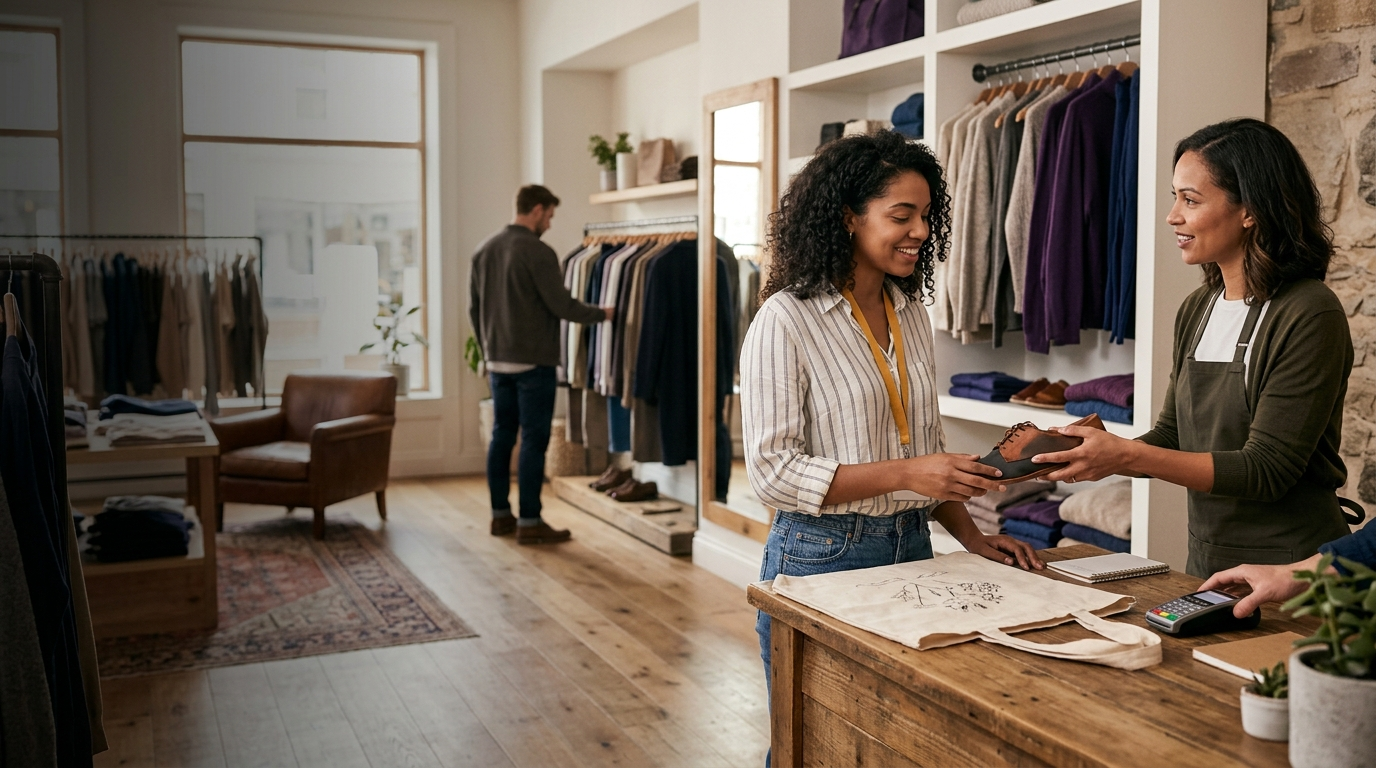
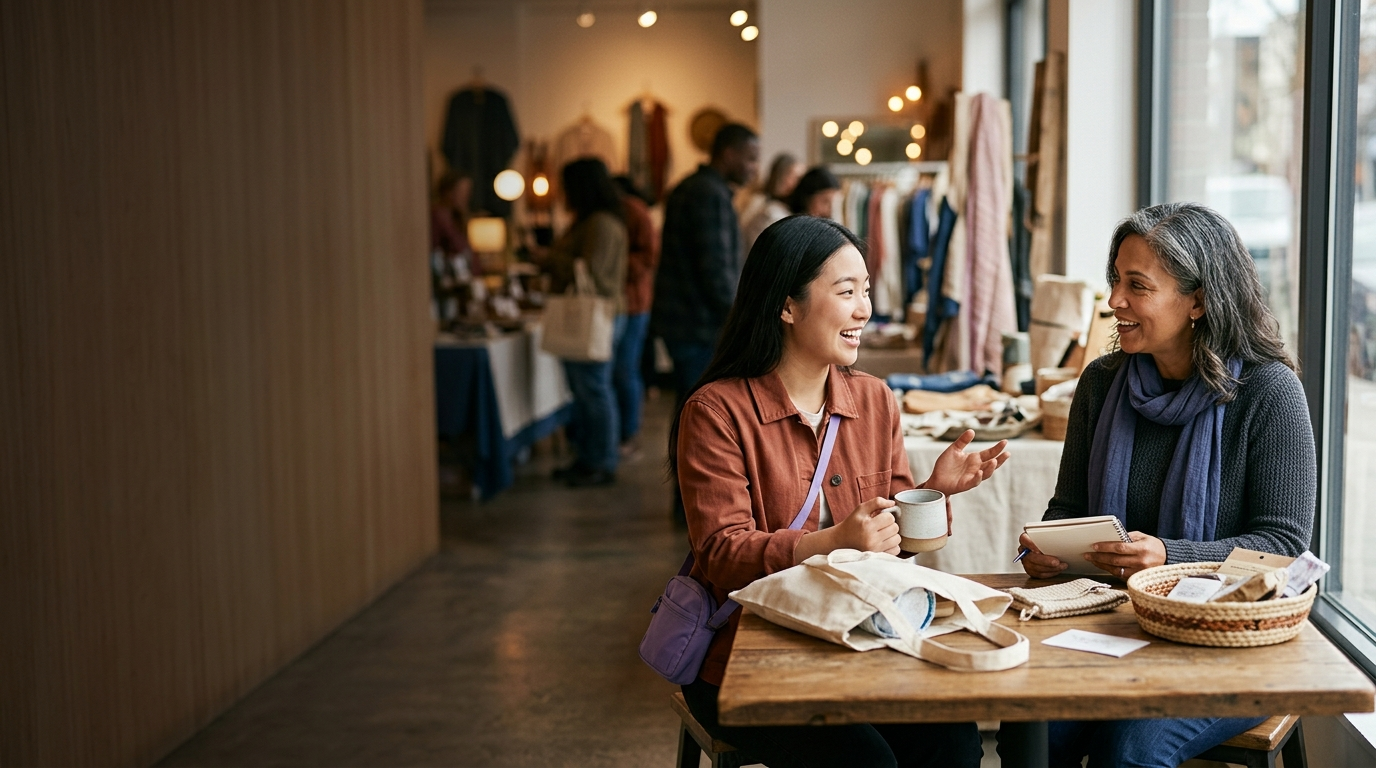
Xem chủ đề trước khi nói
Sử dụng hình ảnh làm gợi ý tưởng. Mô tả những gì bạn nhận thấy, kết nối nó với trải nghiệm của bạn, sau đó trả lời câu hỏi thực sự.
Những câu trả lời mẫu, được nghe cạnh nhau
Bắt đầu với câu trả lời đơn giản hơn, chuyển Band để nghe cách phát triển nhiệm vụ tương tự, sau đó ghi lại câu trả lời cá nhân. Đây là những ví dụ giảng dạy, không phải câu trả lời chính thức hoặc đảm bảo điểm số.
Do you like shopping?
Yes, I do like shopping. I enjoy buying clothes and food. Sometimes I go to the shops at the weekend. I find it relaxing to look around and pick things I need.
Yes, I do — though it depends what I’m buying. I enjoy browsing for clothes or home bits because I like seeing things in person, but I’m less keen on long supermarket trips. Shopping can also be a nice way to socialise or get ideas for the flat.
Generally I do — but not all shopping feels the same. I enjoy pottering around boutiques or markets and finding something a bit different, which I find quite relaxing. For everyday essentials I treat it as a practical chore, but I’ll happily spend time choosing something special. It’s a mix of relaxation and practicality for me.
Do you compare prices when you shop? Why?
Yes, I often compare prices. I look for the cheapest option so I can save money. Sometimes I check my phone when I’m in the shop.
Yes, I usually compare prices, especially for bigger purchases. I’ll check a few websites or use a price comparison app to make sure I’m getting a good deal. For small items I might not bother, but for appliances or electronics I definitely check.
Absolutely — I make a point of shopping around, particularly for higher-cost items. I compare unit prices, look at customer reviews and consider warranties or after-sales service. It’s about getting value for money rather than just the lowest price.
Is it difficult for you to make choices when you shop?
Sometimes it’s hard. When there are many choices I can’t decide. I often ask a friend or pick the middle one.
I do struggle occasionally, especially when there are lots of similar options. I find reviews and ratings helpful, and I try to set a few must-have points to narrow things down. That usually helps avoid buying the wrong thing.
I can, yes — too many choices sometimes lead me to overthink. To avoid that I set clear priorities (budget, purpose, durability) and eliminate options that don’t meet them. That stops me going into analysis paralysis and makes the decision quicker.
Do you think expensive products are always better than cheaper ones?
No, I don’t think so. Sometimes expensive things are better, but not always. Cheaper items can be good enough.
Not necessarily. Expensive products can be better in terms of materials or build, but often you’re also paying for a brand name. I try to judge on durability and reviews rather than price alone.
Not always. Higher price often reflects better materials or craftsmanship, but there are diminishing returns — a product can cost a lot more without offering proportionally greater benefits. I weigh price against expected lifespan, warranty and whether it really meets my needs.
How often do you go shopping?
I go shopping about once a week for food. I buy clothes or other things less often, maybe a few times a year.
I shop for groceries about once a week, with a bigger shop every few weeks. I’ll buy clothes or household items only when I need them, perhaps once a month or so. I also make small online orders between trips.
I’d say I do a quick run to the shops two or three times a week for fresh food, with a main shop roughly every fortnight. Clothes and bigger items I buy less frequently, and I tend to top up household supplies online as needed.
Do you prefer online shopping or in-store shopping?
I prefer online shopping because it’s easy and fast. But for clothes I like to go in store to try things on.
I usually prefer online shopping for convenience and choice, especially for everyday items. For clothing or shoes I still go into a shop so I can try things on. I also like click-and-collect when I need something quickly.
I tend to favour online shopping for routine purchases — it’s efficient, I can compare options quickly and get reviews. But for anything that needs fitting or where the look matters, I prefer in-store. I also appreciate the hybrid approach, like click-and-collect, which combines convenience with immediacy.
Have you ever returned anything you bought online?
Yes, I have. I returned a pair of shoes that didn’t fit. The shop gave me a refund and it was easy.
Yes, I’ve returned things a couple of times — mainly clothes that didn’t fit or an item that looked different to the photos. The process was straightforward with prepaid return labels, though refunds sometimes took a week or two.
Yes, a few times. The most recent was a jacket that didn’t match the description; the retailer sent a returns label and refunded me within a few days. After that I started checking size guides and reviews more carefully and now I avoid most returns.
Cách trả lời câu hỏi Nói IELTS Mua sắm
This Shopping set contains 7 short interview questions. Start each answer with the information the examiner asked for, then extend it with one reason, example or contrast. The goal is spontaneous, connected speech—not a mini-essay.
- Trả lời chính xác câu hỏi ở câu đầu tiên.
- Thêm một lý do hoặc chi tiết cá nhân cụ thể.
- Chỉ sử dụng một ví dụ hoặc sự tương phản khi nó bổ sung thêm thông tin mới.
- Hãy kết thúc một cách tự nhiên và để giám khảo hỏi câu hỏi tiếp theo.
Cách tiếp cận theo từng câu hỏi
| Câu hỏi thực hành | Câu trả lời hữu ích di chuyển |
|---|---|
| Do you like shopping? | Trả lời trực tiếp, đưa ra lý do và thêm một chi tiết cá nhân tự nhiên. |
| Do you compare prices when you shop? Why? | Trả lời trực tiếp, đưa ra lý do và thêm một chi tiết cá nhân tự nhiên. |
| Is it difficult for you to make choices when you shop? | Trả lời trực tiếp, đưa ra lý do và thêm một chi tiết cá nhân tự nhiên. |
| Do you think expensive products are always better than cheaper ones? | Đưa ra một quan điểm có khả năng xảy ra, giải thích lý do và thêm một điều kiện hoặc ví dụ. |
Trọng tâm từ vựng
Ngôn ngữ hữu ích đã được trình bày trong các câu trả lời mẫu bao gồm browse, potter around, essentials, value for money, shop around, unit price, overwhelmed, analysis paralysis. Tìm hiểu từng nghĩa và cách kết hợp từ tự nhiên, sau đó sử dụng mục đó trong câu trả lời mới thay vì sao chép toàn bộ văn bản.
Những lỗi thường gặp cần tránh
- Đưa ra một câu trả lời thuộc lòng mà chỉ trả lời được một phần câu hỏi.
- Bổ sung từ vựng khó mà không cần kiểm tra nghĩa hoặc sắp xếp thứ tự.
- Khởi động lại sau mỗi lỗi thay vì sửa nhanh và tiếp tục.
- Đọc câu trả lời mẫu trước khi ghi lại lần thử đầu tiên của bạn.
Câu hỏi thường gặp về thực hành mua sắm
Câu trả lời của tôi nên dài bao nhiêu cho phần Mua sắm ở Phần 1?
Hãy nhắm đến một câu trả lời trực tiếp kèm theo lý do hoặc chi tiết, thường là từ hai đến bốn câu. Hãy dừng lại khi ý tưởng đã hoàn thiện thay vì buộc phải đếm số từ cố định.
Tôi có nên ghi nhớ câu trả lời của mô hình Mua sắm không?
Không. Hãy sử dụng chúng để chú ý cấu trúc và ngôn ngữ, sau đó trả lời từ kinh nghiệm của chính bạn. Việc ghi nhớ từ ngữ có thể thất bại khi giám khảo thay đổi câu hỏi.
Nếu tôi không có kinh nghiệm về chủ đề này thì sao?
Hãy nói điều đó một cách trung thực, sau đó giải thích một sở thích, quan sát hoặc ví dụ giả định có liên quan. Bạn được đánh giá dựa trên ngôn ngữ chứ không phải kiến thức chuyên môn.
