
IELTS 말하기 파트 1: Shopping 질문 및 답변
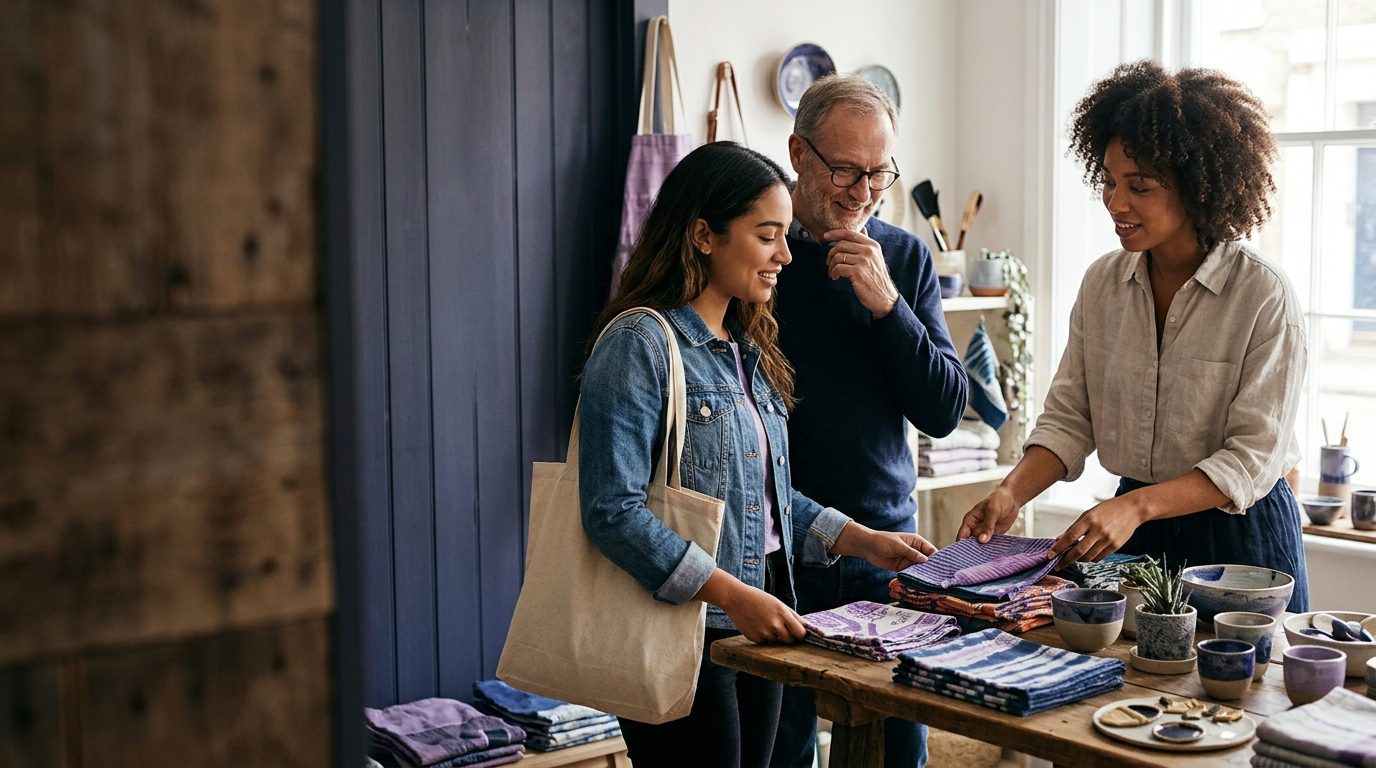
파트 1 질문
한 번에 하나의 질문을 이동하세요. 듣고, 대답하고, 비교하고, 다시 시도하세요. 전체 질문 텍스트는 접근성 및 검색을 위해 페이지 HTML에 남아 있습니다.
- 01Do you like shopping?Full Band 6/7 answer →
- 02Do you compare prices when you shop? Why?
- 03Is it difficult for you to make choices when you shop?
- 04Do you think expensive products are always better than cheaper ones?
- 05How often do you go shopping?
- 06Do you prefer online shopping or in-store shopping?
- 07Have you ever returned anything you bought online?
전체 내용 읽기
일반적으로 나는 쇼핑을 좋아하지만, 나에게 필요한 것이 무엇인지에 따라 다릅니다. 나는 흥미로운 것들을 찾을 수 있고 더 개인적인 느낌을 주기 때문에 독립 상점과 시장을 탐색하는 것을 좋아합니다. 특히 시간이 부족할 때는 편의를 위해 온라인 쇼핑도 하지만 주말에는 바쁜 쇼핑 센터를 즐기지 않습니다. 전반적으로 나는 쇼핑을 즐거움과 실질적인 필요성의 혼합으로 봅니다.
준비상태: 예상 주제주기. 이 독립적인 연습 리소스는 공식 IELTS 시험이 아니며 시험 문제가 다를 수 있습니다. 주제에 라벨을 지정하는 방법.
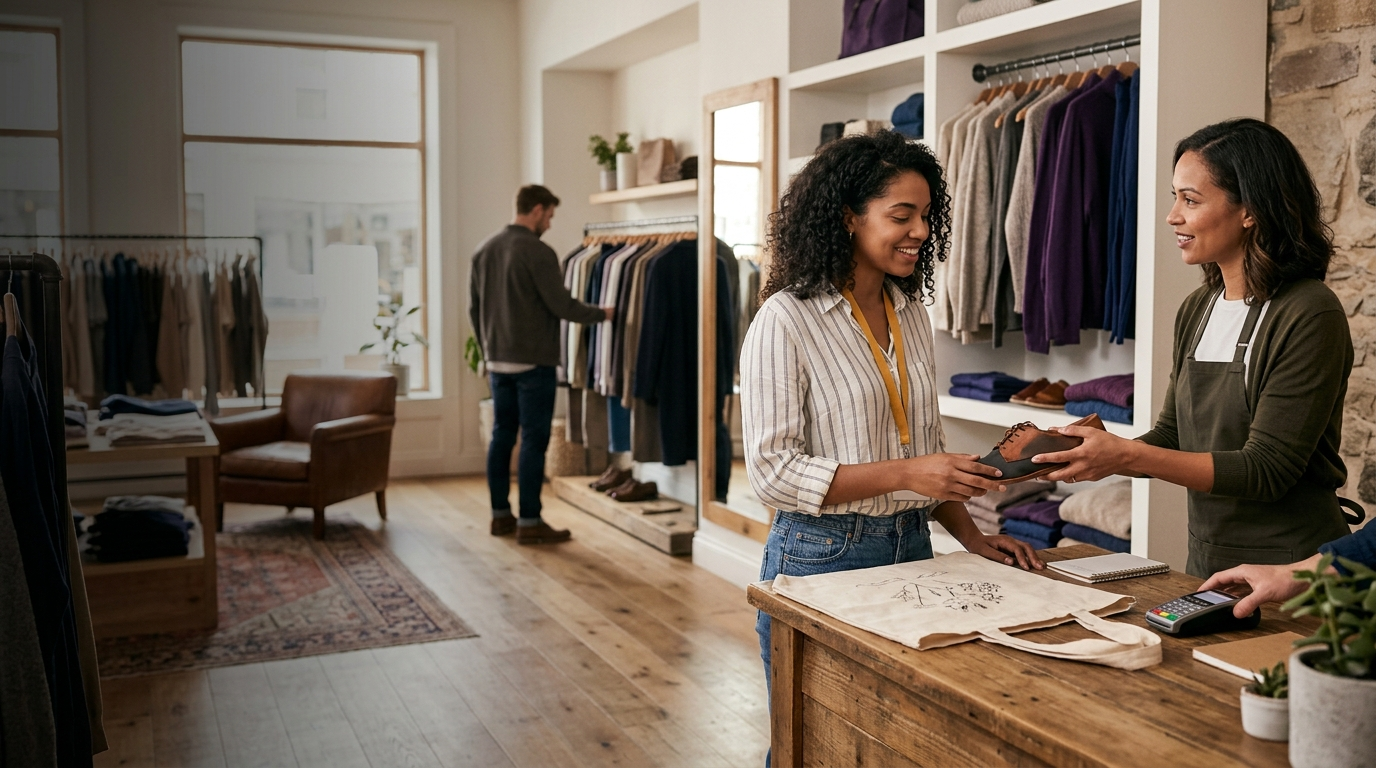
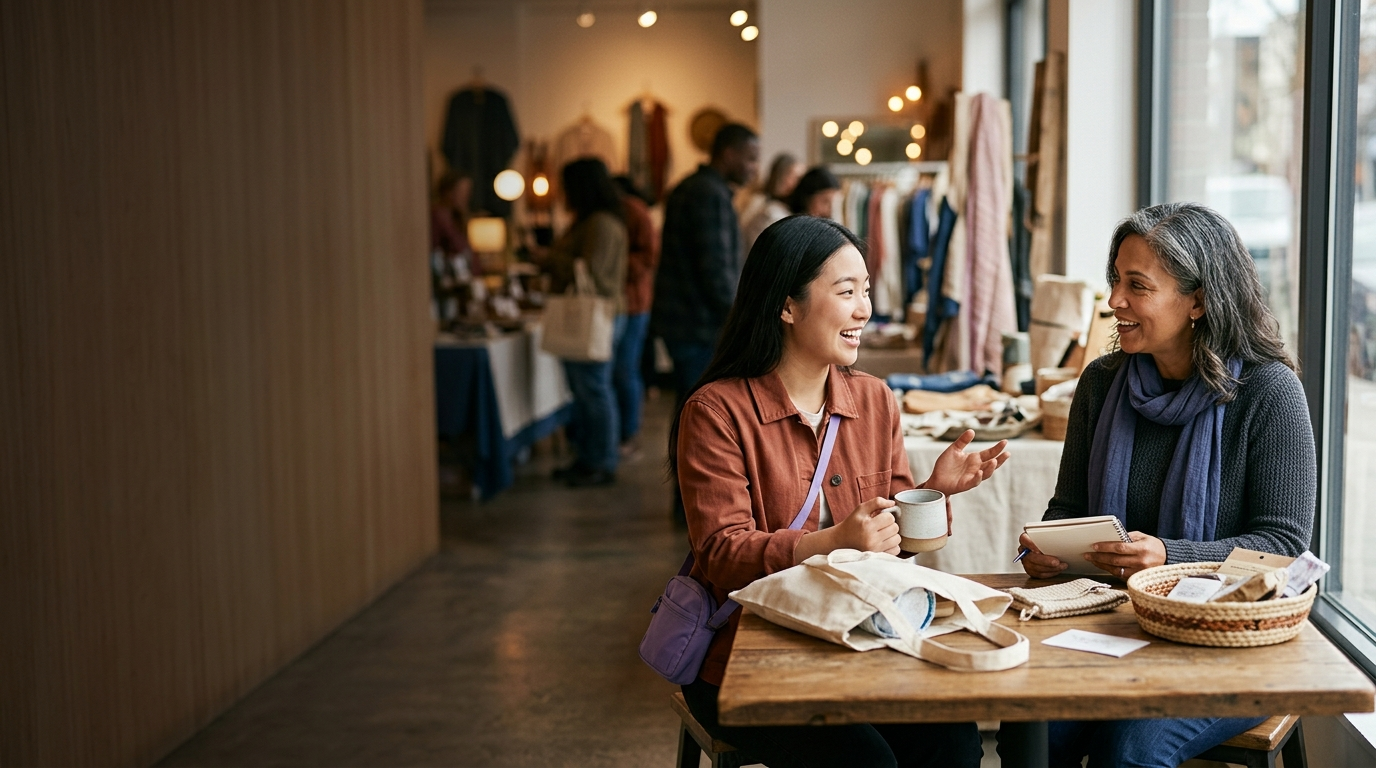
말하기 전에 주제를 살펴보세요
이미지를 아이디어 프롬프트로 사용하세요. 발견한 사항을 설명하고 이를 경험과 연결한 다음 실제 질문에 답하세요.
모델 답변을 나란히 들음
더 간단한 답변부터 시작하여 Band를 전환하여 동일한 작업이 어떻게 개발될 수 있는지 듣고 개인 응답을 녹음하세요. 이것은 공식적인 답변이나 점수 보장이 아닌 교육용 예시입니다.
Do you like shopping?
Yes, I do like shopping. I enjoy buying clothes and food. Sometimes I go to the shops at the weekend. I find it relaxing to look around and pick things I need.
Yes, I do — though it depends what I’m buying. I enjoy browsing for clothes or home bits because I like seeing things in person, but I’m less keen on long supermarket trips. Shopping can also be a nice way to socialise or get ideas for the flat.
Generally I do — but not all shopping feels the same. I enjoy pottering around boutiques or markets and finding something a bit different, which I find quite relaxing. For everyday essentials I treat it as a practical chore, but I’ll happily spend time choosing something special. It’s a mix of relaxation and practicality for me.
Do you compare prices when you shop? Why?
Yes, I often compare prices. I look for the cheapest option so I can save money. Sometimes I check my phone when I’m in the shop.
Yes, I usually compare prices, especially for bigger purchases. I’ll check a few websites or use a price comparison app to make sure I’m getting a good deal. For small items I might not bother, but for appliances or electronics I definitely check.
Absolutely — I make a point of shopping around, particularly for higher-cost items. I compare unit prices, look at customer reviews and consider warranties or after-sales service. It’s about getting value for money rather than just the lowest price.
Is it difficult for you to make choices when you shop?
Sometimes it’s hard. When there are many choices I can’t decide. I often ask a friend or pick the middle one.
I do struggle occasionally, especially when there are lots of similar options. I find reviews and ratings helpful, and I try to set a few must-have points to narrow things down. That usually helps avoid buying the wrong thing.
I can, yes — too many choices sometimes lead me to overthink. To avoid that I set clear priorities (budget, purpose, durability) and eliminate options that don’t meet them. That stops me going into analysis paralysis and makes the decision quicker.
Do you think expensive products are always better than cheaper ones?
No, I don’t think so. Sometimes expensive things are better, but not always. Cheaper items can be good enough.
Not necessarily. Expensive products can be better in terms of materials or build, but often you’re also paying for a brand name. I try to judge on durability and reviews rather than price alone.
Not always. Higher price often reflects better materials or craftsmanship, but there are diminishing returns — a product can cost a lot more without offering proportionally greater benefits. I weigh price against expected lifespan, warranty and whether it really meets my needs.
How often do you go shopping?
I go shopping about once a week for food. I buy clothes or other things less often, maybe a few times a year.
I shop for groceries about once a week, with a bigger shop every few weeks. I’ll buy clothes or household items only when I need them, perhaps once a month or so. I also make small online orders between trips.
I’d say I do a quick run to the shops two or three times a week for fresh food, with a main shop roughly every fortnight. Clothes and bigger items I buy less frequently, and I tend to top up household supplies online as needed.
Do you prefer online shopping or in-store shopping?
I prefer online shopping because it’s easy and fast. But for clothes I like to go in store to try things on.
I usually prefer online shopping for convenience and choice, especially for everyday items. For clothing or shoes I still go into a shop so I can try things on. I also like click-and-collect when I need something quickly.
I tend to favour online shopping for routine purchases — it’s efficient, I can compare options quickly and get reviews. But for anything that needs fitting or where the look matters, I prefer in-store. I also appreciate the hybrid approach, like click-and-collect, which combines convenience with immediacy.
Have you ever returned anything you bought online?
Yes, I have. I returned a pair of shoes that didn’t fit. The shop gave me a refund and it was easy.
Yes, I’ve returned things a couple of times — mainly clothes that didn’t fit or an item that looked different to the photos. The process was straightforward with prepaid return labels, though refunds sometimes took a week or two.
Yes, a few times. The most recent was a jacket that didn’t match the description; the retailer sent a returns label and refunded me within a few days. After that I started checking size guides and reviews more carefully and now I avoid most returns.
쇼핑 IELTS 말하기 질문에 대답하는 방법
This Shopping set contains 7 short interview questions. Start each answer with the information the examiner asked for, then extend it with one reason, example or contrast. The goal is spontaneous, connected speech—not a mini-essay.
- 첫 번째 문장의 정확한 질문에 답하세요.
- 한 가지 이유나 구체적인 개인 정보를 추가하세요.
- 새로운 정보를 추가할 때만 예나 대조를 사용하십시오.
- 자연스럽게 마무리하고 시험관이 다음 질문을 하도록 하십시오.
질문별 접근 방식
| 연습문제 | 유용한 답변 이동 |
|---|---|
| Do you like shopping? | 직접 답변하고, 이유를 제시하고, 자연스러운 개인 정보를 하나 추가하세요. |
| Do you compare prices when you shop? Why? | 직접 답변하고, 이유를 제시하고, 자연스러운 개인 정보를 하나 추가하세요. |
| Is it difficult for you to make choices when you shop? | 직접 답변하고, 이유를 제시하고, 자연스러운 개인 정보를 하나 추가하세요. |
| Do you think expensive products are always better than cheaper ones? | 가능한 견해를 기술하고 이유를 설명하고 하나의 조건이나 예를 추가하십시오. |
어휘 집중
모델 답변에서 이미 입증된 유용한 언어는 다음과 같습니다. browse, potter around, essentials, value for money, shop around, unit price, overwhelmed, analysis paralysis. 각 의미와 자연스러운 단어 파트너십을 배운 다음 전체 스크립트를 복사하는 대신 새로운 답변에 항목을 사용하십시오.
피해야 할 일반적인 실수
- 질문에 부분적으로만 대답하는 암기된 답변을 제공합니다.
- 의미나 배열을 확인하지 않고 어려운 어휘를 추가합니다.
- 잠시 수정하고 계속하는 대신 오류가 발생할 때마다 다시 시작합니다.
- 첫 번째 시도를 기록하기 전에 모범 답변을 읽어보세요.
쇼핑 실천 FAQ
파트 1의 쇼핑에 대한 답변은 얼마나 길어야 합니까?
직접적인 답변과 이유 또는 세부 사항을 목표로 하세요. 일반적으로 2~4개의 문장으로 구성됩니다. 고정된 단어 수를 강요하기보다는 아이디어가 완성되면 중지하세요.
쇼핑 모델 답변을 외워야 하나요?
아니요. 구조와 언어를 파악하기 위해 이를 사용하고 자신의 경험을 바탕으로 답변하십시오. 시험관이 문제를 변경하면 암기한 표현이 실패할 수 있습니다.
해당 주제에 대한 경험이 없으면 어떻게 되나요?
솔직하게 말한 다음 관련된 선호도, 관찰 또는 가상의 예를 설명하십시오. 전문 지식이 아닌 언어로 평가됩니다.
