
IELTS 말하기 파트 2 & 3: Describe a place where you enjoy shopping
파트 2 큐 카드
Describe a place where you enjoy shopping
당신은 이렇게 말해야 합니다:
- 이름이 뭐예요?
- 그것이 어디에 있는가
- 얼마나 자주 방문하시나요?
- 거기서 주로 사오는 것
이 주제에 대해 1~2분 정도 이야기할 시간이 있습니다.
전체 내용 읽기
The place I enjoy shopping is called Riverside Market, a compact indoor market near the riverfront in my city. It’s on the south bank, about a twenty-minute walk from where I live, so it’s very easy to get to after work or at the weekend. I go there roughly once every two weeks, sometimes more if I’m looking for something specific or if there’s a food fair; visiting less often if I’m busy with work. What I usually buy are fresh groceries, artisan bread and sometimes small household items such as candles or kitchen utensils — I like supporting local producers. I also often pick up a ready-to-eat snack from a street-food stall and sit by the water while I eat. The market has a friendly atmosphere and the stallholders remember regular customers, so I enjoy the personal touch; for example, the baker knows I prefer sourdough and will reserve a loaf for me. Prices are reasonable and there’s a good variety, which means I can combine practical shopping with a little treat. In summer there's a pop-up florist and in winter they sell mulled cider, so the experience changes with the seasons.
준비상태: 예상 주제주기. 이 독립적인 연습 리소스는 공식 IELTS 시험이 아니며 시험 문제가 다를 수 있습니다. 주제에 라벨을 지정하는 방법.
파트 3 토론 질문
한 번에 하나의 질문을 이동하세요. 듣고, 대답하고, 비교하고, 다시 시도하세요. 전체 질문 텍스트는 접근성 및 검색을 위해 페이지 HTML에 남아 있습니다.
- 01Why do people buy things they don't need?
- 02Do you think it's a waste of time to go shopping?
- 03Why are some people keen on shopping?
- 04What kind of people like shopping?
- 05Where do people like to shop in your country?
- 06Do you think women like shopping more than men?
말하기 전에 주제를 살펴보세요
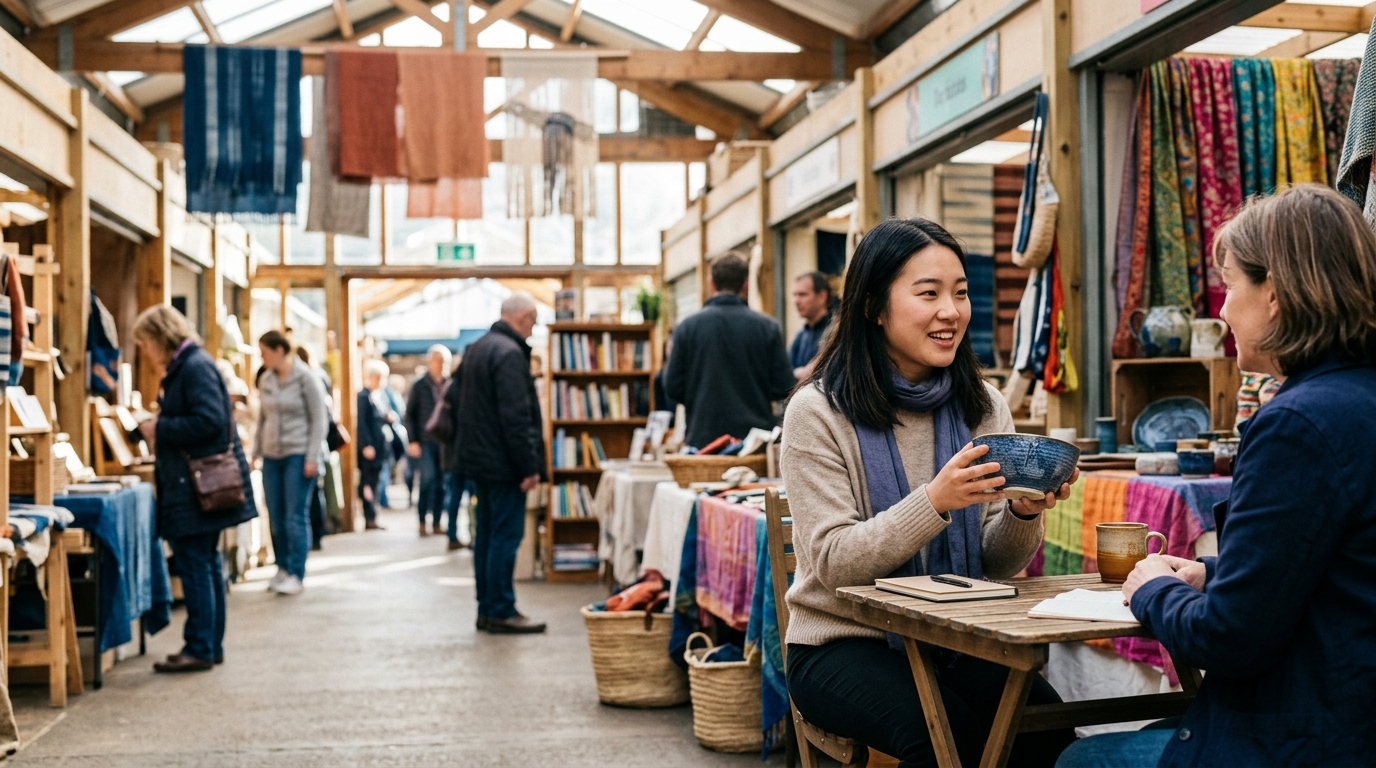
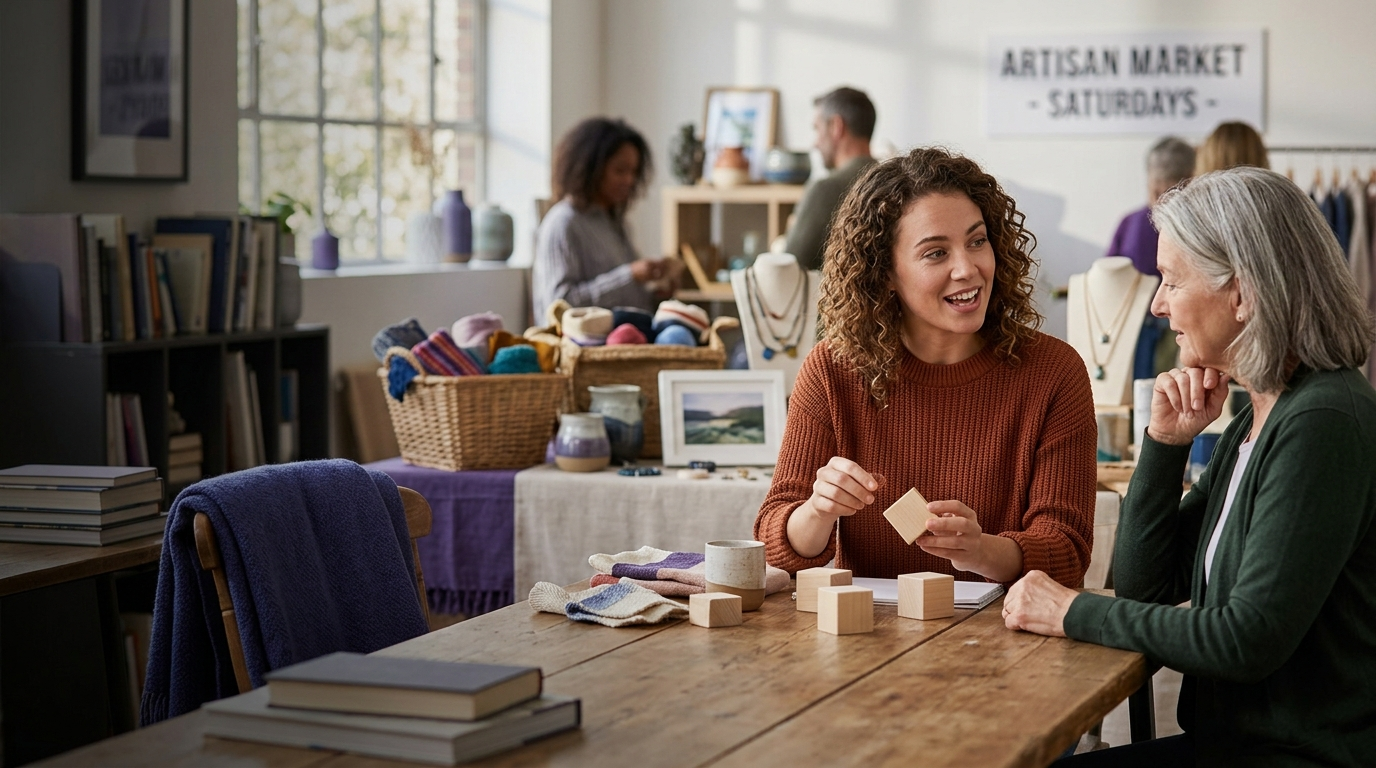
이미지를 아이디어 프롬프트로 사용하세요. 발견한 사항을 설명하고 이를 경험과 연결한 다음 실제 질문에 답하세요.
모델 답변을 나란히 들음
더 간단한 답변부터 시작하여 Band를 전환하여 동일한 작업이 어떻게 개발될 수 있는지 듣고 개인 응답을 녹음하세요. 이것은 공식적인 답변이나 점수 보장이 아닌 교육용 예시입니다.
2부 — 모델 답변
Part 2 cue-card response
I like shopping at the Green Lane Supermarket. It is near my flat in the city centre, about ten minutes away. I visit it once or twice a week, usually at the weekend. I buy food there like fruit, milk and bread. Sometimes I buy ready meals if I am busy. The staff are friendly and it is clean. It is cheap and handy, so I go there often.
The place I enjoy shopping is called Riverside Market, a compact indoor market near the riverfront in my city. It’s on the south bank, about a twenty-minute walk from where I live, so it’s very easy to get to after work or at the weekend. I go there roughly once every two weeks, sometimes more if I’m looking for something specific or if there’s a food fair; visiting less often if I’m busy with work. What I usually buy are fresh groceries, artisan bread and sometimes small household items such as candles or kitchen utensils — I like supporting local producers. I also often pick up a ready-to-eat snack from a street-food stall and sit by the water while I eat. The market has a friendly atmosphere and the stallholders remember regular customers, so I enjoy the personal touch; for example, the baker knows I prefer sourdough and will reserve a loaf for me. Prices are reasonable and there’s a good variety, which means I can combine practical shopping with a little treat. In summer there's a pop-up florist and in winter they sell mulled cider, so the experience changes with the seasons.
3부 - 모델 답변
Why do people buy things they don't need?
People buy things they don’t need sometimes because they feel tempted by sales or adverts. It makes them feel good for a short time, like a treat. Also friends or social media can make people want the same items. Sometimes people buy out of boredom.
There are a few reasons. Impulse buying is common — attractive displays, online ads or a limited-time offer can make someone buy without thinking. Emotion also plays a part: shopping can lift the mood or mark a celebration, so people purchase unnecessary items as a quick reward. Social factors matter too; if friends or influencers are using a product, people often want to keep up. In short, a mix of marketing, emotion and social pressure drives these purchases.
Do you think it's a waste of time to go shopping?
I don’t think shopping is always a waste of time. If you need something it’s useful. Going shopping can also be fun and a way to meet friends. But if you just wander for hours it might feel like wasting time.
It depends on the purpose. Shopping with a clear list or for necessities is practical and not a waste; it saves time later. Equally, shopping can be a form of leisure — meeting friends, trying new food or discovering independent shops — which isn’t wasted if you enjoy it. However, aimless browsing with no purpose can feel like poor use of time for some people, especially if it leaves you tired or overspending.
Why are some people keen on shopping?
Some people like shopping because it is enjoyable and relaxing. They like choosing things and finding bargains. For some it is a hobby. Also shopping can be social, like meeting friends.
Many people treat shopping as a hobby or a form of retail therapy. The act of finding the right item, hunting for a bargain and making a choice can be satisfying and even give a small dopamine boost. For others it’s mainly social — an excuse to spend time with friends or family — while some enjoy collecting things or updating their wardrobe as a way to express identity. In short, it meets emotional, social and practical needs.
What kind of people like shopping?
People who like shopping are often younger or those who care about fashion. Also those with more money can buy more. Some older people like shopping for hobbies or because they enjoy looking around.
There isn’t one type of person — shopping appeals across ages and backgrounds, but different groups shop for different reasons. Fashion-conscious people and trend-followers enjoy exploring new styles, while bargain hunters relish sales and clearance events. Families might prefer practical shopping for home and children, and retirees sometimes enjoy a stroll along the high street as a social activity. Income, interests and lifestyle shape who shops and why.
Where do people like to shop in your country?
In my country people like to shop in shopping centres and supermarkets. Some people also go to local markets for fresh food. Online shopping is popular too, especially for clothes and electronics.
People tend to choose a mix of places. The high street and shopping centres remain popular for clothes, leisure and eating out because they offer a full experience. Local markets and independent shops attract those looking for fresh food or distinctive items, while online retailers are increasingly used for convenience and wider choice. Regional habits vary — city dwellers might prefer boutique shops and markets, whereas people outside cities rely more on large supermarkets and online delivery.
Do you think women like shopping more than men?
I think it depends on the person rather than just gender. Some women enjoy shopping more, but many men do too. Interests and upbringing matter more than being a man or woman.
It’s an oversimplification to say women like shopping more than men. Research shows small differences in shopping habits, but tastes depend on personality, cultural expectations and the type of goods involved. For example, men might spend more time researching electronics online while women might browse clothes in shops, although this is changing. In short, shopping preferences are shifting and the gender gap is narrowing.
연습 상태: 이전 문제 은행 주기에서 보관된 주제입니다. 기술 연습에는 여전히 유용하지만 현재 또는 보장된 시험 문제로 제시되지는 않습니다. 주제에 라벨을 지정하는 방법.
답변 방법 쇼핑을 즐기는 장소를 설명하세요 IELTS 말하기 질문
쇼핑을 즐길 수 있는 장소를 설명하는 큐카드에서는 준비시간을 활용하여 토크를 통해 경로를 구축해 보세요. 명확한 주제를 선택하고 두 가지 구체적인 순간이나 세부 사항을 추가한 후 그것이 중요한 이유를 설명하여 마무리하세요. 그런 다음 연결된 파트 3 질문을 사용하여 더 폭넓은 설명과 비교를 연습하세요.
큐 카드 프롬프트:
- 이름이 뭐예요?
- 그것이 어디에 있는가
- 얼마나 자주 방문하시나요?
- 거기서 주로 사오는 것
- 열기: 사람, 장소, 사물 또는 사건을 식별합니다.
- 개발: 두 가지 세부 사항이나 순간을 논리적 순서로 설명합니다.
- 확장: 이유, 결과, 비교 또는 문제를 설명합니다.
- 묵상: 주제가 기억에 남거나 중요한 이유를 설명하여 마무리합니다.
질문별 접근 방식
| 연습문제 | 유용한 답변 이동 |
|---|---|
| Why do people buy things they don't need? | 한 가지 주요 원인을 제시하고 구체적인 예를 들어 이를 뒷받침하십시오. |
| Do you think it's a waste of time to go shopping? | 가능한 견해를 기술하고 이유를 설명하고 하나의 조건이나 예를 추가하십시오. |
| Why are some people keen on shopping? | 한 가지 주요 원인을 제시하고 구체적인 예를 들어 이를 뒷받침하십시오. |
| What kind of people like shopping? | 먼저 사물의 이름을 지정한 다음 구체적인 특징이나 예를 설명하세요. |
어휘 집중
모델 답변에서 이미 입증된 유용한 언어는 다음과 같습니다. impulse buying, limited-time offer, social pressure, aimless browsing, purposeful shopping, leisure activity, retail therapy, bargain hunter. 각 의미와 자연스러운 단어 파트너십을 배운 다음 전체 스크립트를 복사하는 대신 새로운 답변에 항목을 사용하십시오.
피해야 할 일반적인 실수
- 질문에 부분적으로만 대답하는 암기된 답변을 제공합니다.
- 의미나 배열을 확인하지 않고 어려운 어휘를 추가합니다.
- 잠시 수정하고 계속하는 대신 오류가 발생할 때마다 다시 시작합니다.
- 첫 번째 시도를 기록하기 전에 모범 답변을 읽어보세요.
쇼핑 연습을 즐기는 장소에 대해 설명해주세요. FAQ
쇼핑을 즐기는 장소 설명하기 큐카드 준비시간은 어떻게 활용하나요?
오프닝, 두세 가지 세부 사항 및 최종 반영을 위한 키워드를 작성하세요. 완전한 문장을 쓰려고 하지 마세요.
큐카드 총알을 모두 가려야 하나요?
프롬프트는 대화를 정리하는 데 도움이 됩니다. 이를 덮는 것이 유용하지만 각 라인을 기계적으로 체크하는 것보다 일관된 1~2분 응답이 더 중요합니다.
파트 3 질문은 파트 2와 어떻게 연결되어 있나요?
이유, 비교, 사회적 영향 또는 미래 가능성을 통해 동일한 광범위한 주제를 전개하므로 답변에는 일반적으로 파트 1보다 더 많은 설명이 필요합니다.
