
IELTS Konuşma Bölüm 2 ve 3: Describe a place you have travelled to that you would like to recommend to others
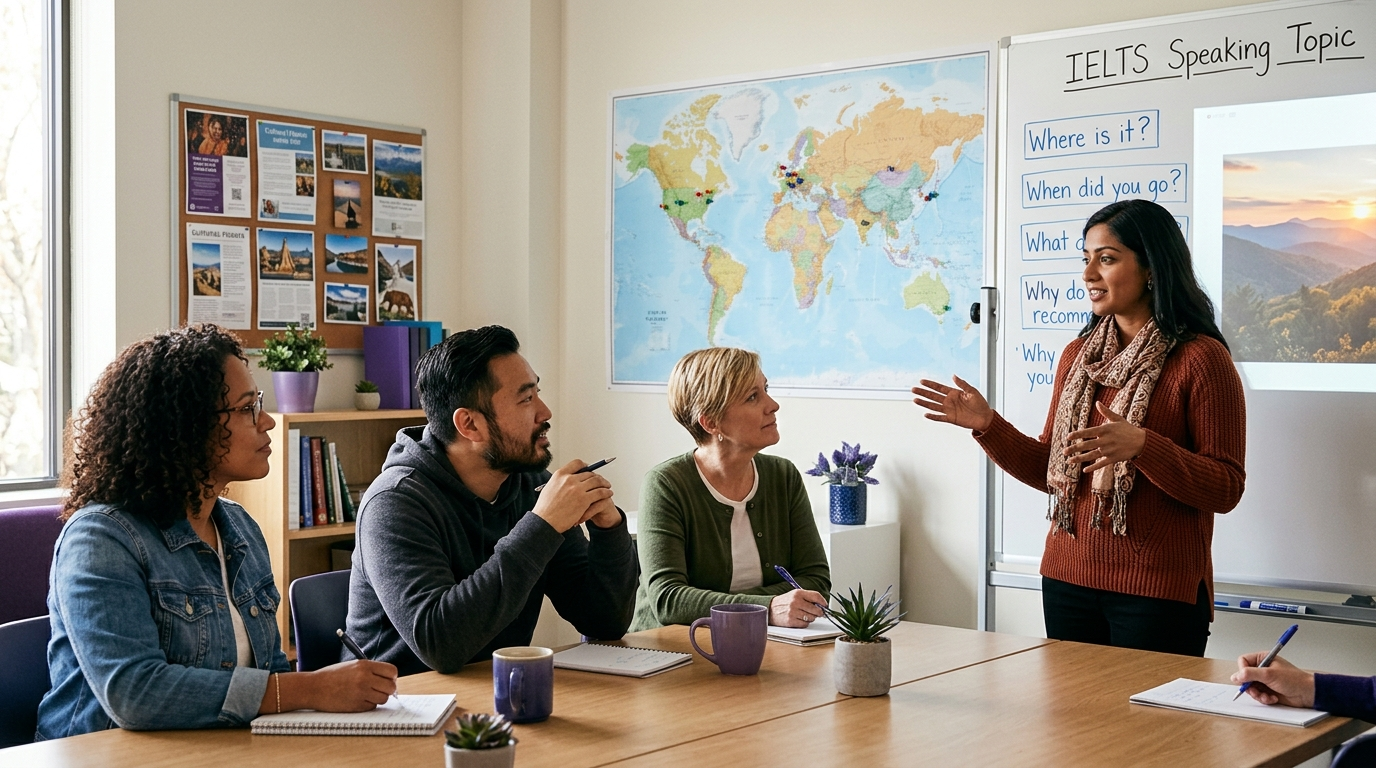
Bölüm 2 işaret kartı
Describe a place you have travelled to that you would like to recommend to others
Şunu söylemelisin:
- Bu ne
- Nerede
- Orada ne gördün ve yaptın?
- Ve bunu neden başkalarına tavsiye etmek istediğinizi açıklayın
Bu konu hakkında konuşmak için bir ila iki dakikanız olacak.
Transkriptin tamamını okuyun
I'd like to recommend the Lake District, a national park in north‑west England, famous for its lakes and craggy fells. It’s a place where countryside feels dramatic yet welcoming; writers like Wordsworth drew inspiration from the scenery and you can still sense that literary atmosphere. It’s situated in Cumbria, roughly two hours by train from Manchester and easily reached by car, which makes it practical for a long weekend. For instance, I took a train to Oxenholme and then a short bus ride into Ambleside. While I was there I did a mix of things: walked along the shores of Windermere, took a small boat trip, and climbed to the summit of Helvellyn via Striding Edge. I also visited cosy tea rooms in Grasmere and went to a little museum about local history. In spring the hills are full of wildflowers and you can often spot red squirrels and herons, which made my morning walks feel special. There are also farmers’ markets and independent shops where you can buy local cheese and crafts. I’d recommend it because it offers something for everyone — from gentle lakeside strolls to challenging hikes — and the scenery feels rejuvenating. In addition, the local food and friendly accommodation make it easy to relax after a day outdoors, so it’s great whether you’re travelling with family, friends or alone.
Hazırlık durumu: Tahmin edilen konu döngüsü. Bu bağımsız uygulama kaynağı resmi bir IELTS sınavı değildir ve sınavınızdaki sorular farklı olabilir. Konular nasıl etiketlenir?.
Bölüm 3 tartışma soruları
Her seferinde bir soruyu hareket ettirin: dinleyin, yanıtlayın, karşılaştırın ve yeniden deneyin. Erişilebilirlik ve arama için soru metninin tamamı sayfa HTML'sinde kalır.
- 01Where do people in your country often go for holidays?
- 02What is the ideal length for a holiday?
- 03How do people usually plan holidays?
- 04Is it important to plan a holiday ahead?
- 05Why do many countries try to attract people to visit?
- 06How do people decide when to travel?
Konuşmadan önce konuya bakın
Görüntüleri fikir istemleri olarak kullanın. Neyi fark ettiğinizi açıklayın, bunu deneyiminizle ilişkilendirin ve ardından asıl soruyu yanıtlayın.


Yan yana duyulan model yanıtları
Daha basit cevapla başlayın, aynı görevin nasıl geliştirilebileceğini duymak için Band'yi değiştirin, ardından kişisel bir yanıtı kaydedin. Bunlar öğretim örnekleridir, resmi cevaplar veya puan garantisi değildir.
Bölüm 2 - Örnek Cevap
Part 2 cue-card response
I want to recommend the Lake District in north‑west England. It’s a national park with lots of lakes, hills and small villages. I went there last year and did walks along Windermere, took a short boat trip and visited Grasmere. I also ate in a small pub and enjoyed the views from a hill top. I would recommend it because it’s easy to get to from many cities, it has different things for different people and it’s a good place to relax. Even if you don’t like tough walking, there are gentle paths and cafés to sit in.
I'd like to recommend the Lake District, a national park in north‑west England, famous for its lakes and craggy fells. It’s a place where countryside feels dramatic yet welcoming; writers like Wordsworth drew inspiration from the scenery and you can still sense that literary atmosphere. It’s situated in Cumbria, roughly two hours by train from Manchester and easily reached by car, which makes it practical for a long weekend. For instance, I took a train to Oxenholme and then a short bus ride into Ambleside. While I was there I did a mix of things: walked along the shores of Windermere, took a small boat trip, and climbed to the summit of Helvellyn via Striding Edge. I also visited cosy tea rooms in Grasmere and went to a little museum about local history. In spring the hills are full of wildflowers and you can often spot red squirrels and herons, which made my morning walks feel special. There are also farmers’ markets and independent shops where you can buy local cheese and crafts. I’d recommend it because it offers something for everyone — from gentle lakeside strolls to challenging hikes — and the scenery feels rejuvenating. In addition, the local food and friendly accommodation make it easy to relax after a day outdoors, so it’s great whether you’re travelling with family, friends or alone.
Bölüm 3 - Örnek Yanıtlar
Where do people in your country often go for holidays?
People often go to the coast, like beaches, or to the countryside for a week or two. Many families visit seaside towns in the summer, and quite a few go abroad to Europe for cheaper flights. Some people prefer city breaks to visit museums and shops. Visiting relatives is also common during big holidays.
On the whole, people choose a mix of beach resorts, countryside escapes and European city breaks. For example, families often head to seaside towns in summer for sun and shallow waters, while young couples might pick a short city break to see galleries or theatre. There’s also a growing trend for staycations, where people explore national parks or coastal paths rather than flying, often because it’s more convenient or cheaper. Work patterns and school terms still shape most choices, though.
What is the ideal length for a holiday?
I think one to two weeks is ideal for a holiday. A few days is OK for a short trip, but if you go far it’s better to stay longer so you don’t waste time travelling. Two weeks lets you relax properly and see the main things.
It really depends on the type of trip, but generally one to two weeks is ideal. A long weekend suits city breaks or short visits, whereas two weeks works well for overseas travel because you can recover from jet lag and explore at a relaxed pace. For adventurous trips or multi‑stop tours, I’d say two weeks or more so you’re not rushing from place to place.
How do people usually plan holidays?
People usually plan holidays online now. They search for flights and hotels and read reviews. Some still use travel agents to book a whole package. Friends and family often give suggestions too.
Most people start planning online, comparing flights, accommodation and traveller reviews on several websites, and often use apps to track prices. Some prefer package holidays from agents for convenience, especially when travelling with children or to less familiar destinations. Others piece together their own itineraries, booking flexible tickets and using maps and blogs for local tips. Social media and personal recommendations also shape choices these days.
Is it important to plan a holiday ahead?
Yes, it’s important to plan ahead for things like flights, visas and accommodation. If you plan early you can get better prices. But some people like to be spontaneous and book at the last minute.
Planning ahead is generally important because it secures better prices, availability and necessary documents like visas or permits. It also reduces stress and helps you make an efficient itinerary, especially in peak season. That said, leaving room for spontaneity can be valuable too; a mix of advance planning and flexibility often works best.
Why do many countries try to attract people to visit?
Countries try to attract visitors because tourism brings money and jobs. It helps local businesses and sometimes pays for services. Also, tourists can learn about the country’s culture.
Many countries actively promote tourism because it brings significant economic benefits, creates jobs and supports local businesses such as hotels, restaurants and transport. Beyond economics, tourism is used as a form of soft power to raise a country’s profile and share cultural heritage. However, governments must also manage environmental impact and overcrowding, so promotion is often balanced with sustainability plans.
How do people decide when to travel?
People decide when to travel by looking at school holidays, work leave and the weather. Price is important too — some travel in low season to save money. Special events or festivals also determine timing.
Decisions about timing are shaped by practical constraints like school terms, work leave and favourable weather, but people also look for value by travelling in shoulder or off‑peak seasons. Events, festivals or local celebrations can strongly influence dates, as can personal commitments and even seasonal wildlife or crop cycles if someone is going for nature or food experiences. Many people also watch for deals and book when fares drop.
Alıştırma durumu: Önceki bir soru bankası döngüsünden arşivlenmiş konu. Beceri pratiği için yararlı olmayı sürdürüyor ancak güncel veya garantili bir sınav sorusu olarak sunulmuyor. Konular nasıl etiketlenir?.
Nasıl cevaplanır Seyahat ettiğiniz ve başkalarına tavsiye etmek istediğiniz bir yeri tanımlayın IELTS Konuşma soruları
Seyahat ettiğiniz ve başkalarına tavsiye etmek istediğiniz bir yeri tanımlayın ipucu kartı için, konuşma boyunca bir rota oluşturmak amacıyla hazırlık dakikasını kullanın. Net bir konu seçin, iki özel anı veya ayrıntıyı ekleyin ve bunun neden önemli olduğunu anlatarak bitirin. Daha sonra daha geniş bir açıklama ve karşılaştırma yapmak için bağlantılı Bölüm 3 sorularını kullanın.
İşaret kartı istemleri:
- Bu ne
- Nerede
- Orada ne gördün ve yaptın?
- Ve bunu neden başkalarına tavsiye etmek istediğinizi açıklayın
- Açılış: Kişiyi, yeri, nesneyi veya olayı tanımlayın.
- Gelişim: İki ayrıntıyı veya anı mantıksal bir sırayla tanımlayın.
- Uzantı: Bir nedeni, sonucu, karşılaştırmayı veya sorunu açıklayın.
- Düşünme: Konunun neden unutulmaz veya önemli olduğunu açıklayarak bitirin.
Soru bazında yaklaşım
| Alıştırma sorusu | Yararlı cevap hamlesi |
|---|---|
| Where do people in your country often go for holidays? | Senaryoyu ezberlemeden doğrudan bir cevap, tek bir neden ve kısa bir örnek verin. |
| What is the ideal length for a holiday? | Önce bir şeye isim verin, ardından belirli bir özelliği veya örneği tanımlayın. |
| How do people usually plan holidays? | Süreci veya farkı net bir sırayla tanımlayın ve bir sonuç ekleyin. |
| Is it important to plan a holiday ahead? | Doğrudan yanıtlayın, bir neden belirtin ve doğal bir kişisel ayrıntı ekleyin. |
Kelime odağı
Model cevaplarında halihazırda gösterilen faydalı dil şunları içerir: staycation, city break, seaside resort, long weekend, jet lag, at a relaxed pace, itinerary, flexible tickets. Her bir anlamı ve doğal kelime ortaklığını öğrenin, ardından tüm metni kopyalamak yerine öğeyi yeni bir yanıtta kullanın.
Kaçınılması gereken yaygın hatalar
- Soruyu yalnızca kısmen yanıtlayan ezberlenmiş bir yanıt vermek.
- Anlamı veya sıralamayı kontrol etmeden zor kelimeleri eklemek.
- Her hatadan sonra kısa süreliğine düzeltme yapıp devam etmek yerine yeniden başlatmak.
- İlk denemenizi kaydetmeden önce model cevabını okuyun.
Seyahat ettiğiniz ve başkalarına tavsiye etmek istediğiniz bir yeri tanımlayın. SSS uygulaması
Seyahat ettiğiniz ve başkalarına tavsiye etmek istediğiniz bir yeri tanımlayın ipucu kartı hazırlama dakikasını nasıl kullanmalıyım?
Bir açılış, iki veya üç ayrıntı ve son bir yansıma için anahtar kelimeler yazın. Tam cümleler yazmaya çalışmayın.
Her işaret kartı mermisini kapatmak zorunda mıyım?
Yönlendirmeler konuşmayı organize etmenize yardımcı olur. Bunları ele almak faydalıdır, ancak bir ila iki dakikalık tutarlı bir yanıt, her satırın mekanik olarak işaretlenmesinden daha önemlidir.
Bölüm 3 soruları Bölüm 2 ile nasıl bağlantılıdır?
Sebepler, karşılaştırmalar, sosyal etkiler veya gelecekteki olasılıklar yoluyla aynı geniş temayı geliştirirler, dolayısıyla yanıtlar normalde Bölüm 1'den daha fazla açıklamaya ihtiyaç duyar.