
IELTS スピーキング パート 2 & 3: Describe a place you have travelled to that you would like to recommend to others
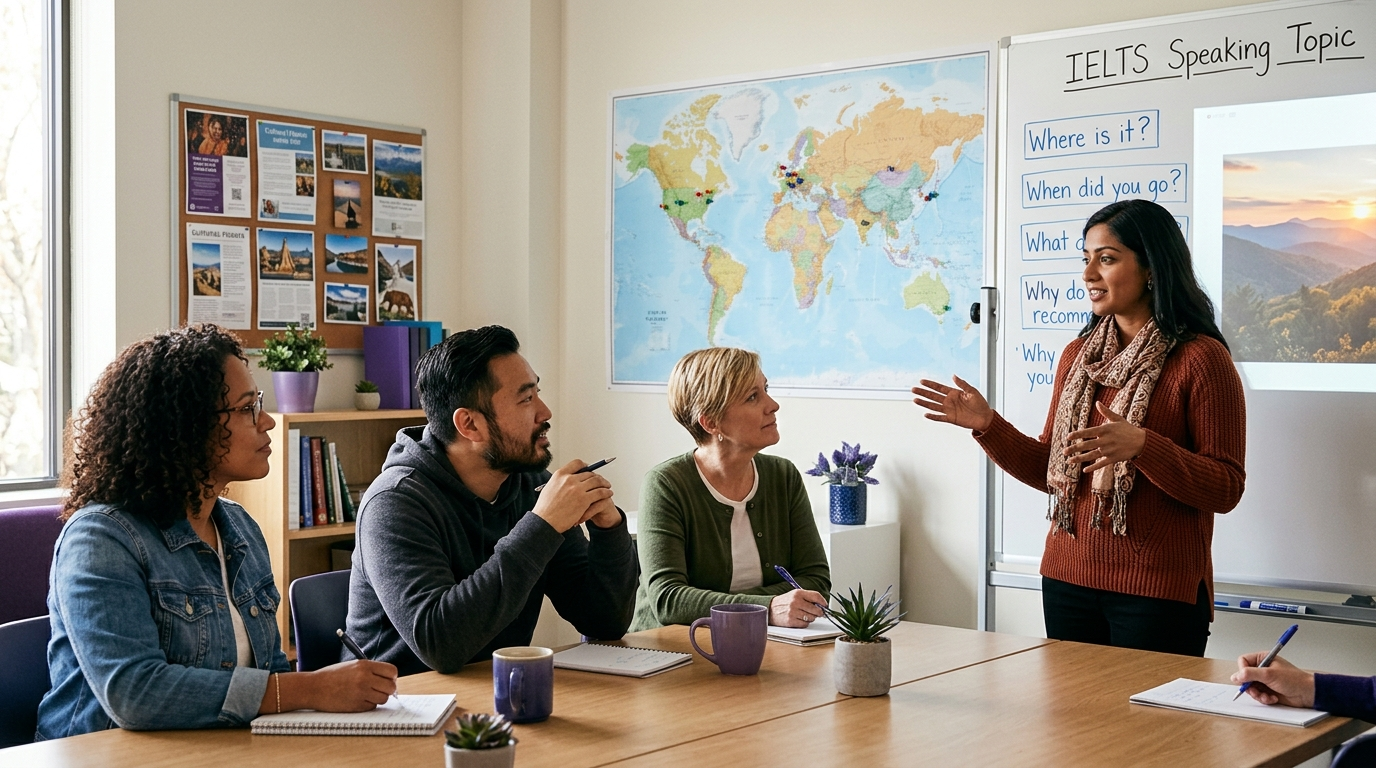
パート2のキューカード
Describe a place you have travelled to that you would like to recommend to others
次のように言うべきです。
- それは何ですか
- どこにありますか
- そこで何を見たのか、何をしたのか
- そして、なぜそれを他の人に勧めたいのかを説明してください
このトピックについて話す時間は 1 ~ 2 分です。
完全なトランスクリプトを読む
I'd like to recommend the Lake District, a national park in north‑west England, famous for its lakes and craggy fells. It’s a place where countryside feels dramatic yet welcoming; writers like Wordsworth drew inspiration from the scenery and you can still sense that literary atmosphere. It’s situated in Cumbria, roughly two hours by train from Manchester and easily reached by car, which makes it practical for a long weekend. For instance, I took a train to Oxenholme and then a short bus ride into Ambleside. While I was there I did a mix of things: walked along the shores of Windermere, took a small boat trip, and climbed to the summit of Helvellyn via Striding Edge. I also visited cosy tea rooms in Grasmere and went to a little museum about local history. In spring the hills are full of wildflowers and you can often spot red squirrels and herons, which made my morning walks feel special. There are also farmers’ markets and independent shops where you can buy local cheese and crafts. I’d recommend it because it offers something for everyone — from gentle lakeside strolls to challenging hikes — and the scenery feels rejuvenating. In addition, the local food and friendly accommodation make it easy to relax after a day outdoors, so it’s great whether you’re travelling with family, friends or alone.
準備状況: 予測されたトピックサイクル。この独立した練習用リソースは IELTS の公式論文ではないため、テストの問題は異なる場合があります。 トピックのラベル付け方法.
パート 3 のディスカッションの質問
一度に 1 つずつ質問を進めてください。聞いて、答え、比較し、再試行してください。完全な質問テキストは、アクセシビリティと検索のためにページの HTML に残ります。
- 01Where do people in your country often go for holidays?
- 02What is the ideal length for a holiday?
- 03How do people usually plan holidays?
- 04Is it important to plan a holiday ahead?
- 05Why do many countries try to attract people to visit?
- 06How do people decide when to travel?
話す前にトピックを確認する
画像をアイデアのヒントとして使用します。気づいたことを説明し、それを自分の経験に結び付けてから、本当の質問に答えてください。


模範解答を並べて聞く
より単純な答えから始めて、Band を切り替えて、同じタスクをどのように開発できるかを聞き、それから個人的な応答を記録します。これらは指導例であり、正式な解答やスコアの保証ではありません。
パート 2 — 模範解答
Part 2 cue-card response
I want to recommend the Lake District in north‑west England. It’s a national park with lots of lakes, hills and small villages. I went there last year and did walks along Windermere, took a short boat trip and visited Grasmere. I also ate in a small pub and enjoyed the views from a hill top. I would recommend it because it’s easy to get to from many cities, it has different things for different people and it’s a good place to relax. Even if you don’t like tough walking, there are gentle paths and cafés to sit in.
I'd like to recommend the Lake District, a national park in north‑west England, famous for its lakes and craggy fells. It’s a place where countryside feels dramatic yet welcoming; writers like Wordsworth drew inspiration from the scenery and you can still sense that literary atmosphere. It’s situated in Cumbria, roughly two hours by train from Manchester and easily reached by car, which makes it practical for a long weekend. For instance, I took a train to Oxenholme and then a short bus ride into Ambleside. While I was there I did a mix of things: walked along the shores of Windermere, took a small boat trip, and climbed to the summit of Helvellyn via Striding Edge. I also visited cosy tea rooms in Grasmere and went to a little museum about local history. In spring the hills are full of wildflowers and you can often spot red squirrels and herons, which made my morning walks feel special. There are also farmers’ markets and independent shops where you can buy local cheese and crafts. I’d recommend it because it offers something for everyone — from gentle lakeside strolls to challenging hikes — and the scenery feels rejuvenating. In addition, the local food and friendly accommodation make it easy to relax after a day outdoors, so it’s great whether you’re travelling with family, friends or alone.
パート 3 — 模範解答
Where do people in your country often go for holidays?
People often go to the coast, like beaches, or to the countryside for a week or two. Many families visit seaside towns in the summer, and quite a few go abroad to Europe for cheaper flights. Some people prefer city breaks to visit museums and shops. Visiting relatives is also common during big holidays.
On the whole, people choose a mix of beach resorts, countryside escapes and European city breaks. For example, families often head to seaside towns in summer for sun and shallow waters, while young couples might pick a short city break to see galleries or theatre. There’s also a growing trend for staycations, where people explore national parks or coastal paths rather than flying, often because it’s more convenient or cheaper. Work patterns and school terms still shape most choices, though.
What is the ideal length for a holiday?
I think one to two weeks is ideal for a holiday. A few days is OK for a short trip, but if you go far it’s better to stay longer so you don’t waste time travelling. Two weeks lets you relax properly and see the main things.
It really depends on the type of trip, but generally one to two weeks is ideal. A long weekend suits city breaks or short visits, whereas two weeks works well for overseas travel because you can recover from jet lag and explore at a relaxed pace. For adventurous trips or multi‑stop tours, I’d say two weeks or more so you’re not rushing from place to place.
How do people usually plan holidays?
People usually plan holidays online now. They search for flights and hotels and read reviews. Some still use travel agents to book a whole package. Friends and family often give suggestions too.
Most people start planning online, comparing flights, accommodation and traveller reviews on several websites, and often use apps to track prices. Some prefer package holidays from agents for convenience, especially when travelling with children or to less familiar destinations. Others piece together their own itineraries, booking flexible tickets and using maps and blogs for local tips. Social media and personal recommendations also shape choices these days.
Is it important to plan a holiday ahead?
Yes, it’s important to plan ahead for things like flights, visas and accommodation. If you plan early you can get better prices. But some people like to be spontaneous and book at the last minute.
Planning ahead is generally important because it secures better prices, availability and necessary documents like visas or permits. It also reduces stress and helps you make an efficient itinerary, especially in peak season. That said, leaving room for spontaneity can be valuable too; a mix of advance planning and flexibility often works best.
Why do many countries try to attract people to visit?
Countries try to attract visitors because tourism brings money and jobs. It helps local businesses and sometimes pays for services. Also, tourists can learn about the country’s culture.
Many countries actively promote tourism because it brings significant economic benefits, creates jobs and supports local businesses such as hotels, restaurants and transport. Beyond economics, tourism is used as a form of soft power to raise a country’s profile and share cultural heritage. However, governments must also manage environmental impact and overcrowding, so promotion is often balanced with sustainability plans.
How do people decide when to travel?
People decide when to travel by looking at school holidays, work leave and the weather. Price is important too — some travel in low season to save money. Special events or festivals also determine timing.
Decisions about timing are shaped by practical constraints like school terms, work leave and favourable weather, but people also look for value by travelling in shoulder or off‑peak seasons. Events, festivals or local celebrations can strongly influence dates, as can personal commitments and even seasonal wildlife or crop cycles if someone is going for nature or food experiences. Many people also watch for deals and book when fares drop.
実践ステータス: 以前の質問バンク サイクルからアーカイブされたトピック。これはスキルの練習には役立ちますが、現在の試験問題または保証された試験問題としては提示されません。 トピックのラベル付け方法.
回答方法 あなたが旅行したことのある、他の人に勧めたい場所について説明してください IELTS スピーキングに関する質問
「他の人に勧めたい、旅行した場所について説明してください」というキュー カードの場合は、準備時間を使ってトークのルートを構築します。明確な主題を選択し、2 つの具体的な瞬間または詳細を追加し、それが重要な理由で終わります。次に、リンクされたパート 3 の質問を使用して、より広範な説明と比較を練習します。
キューカードのプロンプト:
- それは何ですか
- どこにありますか
- そこで何を見たのか、何をしたのか
- そして、なぜそれを他の人に勧めたいのかを説明してください
- オープニング: 人、場所、物体、または出来事を特定します。
- 開発: 2 つの詳細または瞬間を論理的な順序で説明します。
- 拡張: 理由、結果、比較、または問題を説明します。
- 振り返り: その主題がなぜ記憶に残るのか、または重要なのかを最後に述べます。
質問ごとのアプローチ
| 練習問題 | 役に立つ答えの動き |
|---|---|
| Where do people in your country often go for holidays? | スクリプトを暗記せずに、直接的な答え、理由を 1 つ、短い例を述べてください。 |
| What is the ideal length for a holiday? | まず物に名前を付けてから、具体的な機能や例を説明します。 |
| How do people usually plan holidays? | プロセスや違いを明確な順序で説明し、結果を追加します。 |
| Is it important to plan a holiday ahead? | 直接答え、理由を述べ、自然な個人的な詳細を 1 つ追加してください。 |
語彙に焦点を当てる
模範解答で既に示されている有用な文言には次のようなものがあります。 staycation, city break, seaside resort, long weekend, jet lag, at a relaxed pace, itinerary, flexible tickets。それぞれの意味と自然な単語の連携を学び、完全な台本をコピーするのではなく、新しい回答でその項目を使用します。
避けるべきよくある間違い
- 質問に対して部分的にしか答えていない、暗記した回答をする。
- 意味やコロケーションを確認せずに、難しい語彙を追加する。
- エラーが発生するたびに、簡単に修正して続行するのではなく、再起動します。
- 自分の最初の解答を記録する前に、模範解答を読んでください。
あなたが旅行したことのある、他の人に勧めたい場所について説明してください。 よくある質問
他の人に勧めたい、旅行した場所について説明するキューカードの準備議事録をどのように使用すればよいですか?
冒頭、2 つまたは 3 つの詳細、最後の感想のキーワードを書きます。完全な文章を書こうとしないでください。
キューカードのすべての箇条書きをカバーする必要がありますか?
プロンプトはトークを整理するのに役立ちます。それらをカバーすることは有益ですが、機械的に各行をチェックするよりも、1 ~ 2 分間の一貫した応答の方が重要です。
パート 3 の質問はパート 2 にどのように関連していますか?
これらは、理由、比較、社会的影響、将来の可能性を通じて同じ広範なテーマを展開するため、通常、回答にはパート 1 よりも詳しい説明が必要です。