
IELTS スピーキング パート 1: Tidiness 質問と回答

パート 1 の質問
一度に 1 つずつ質問を進めてください。聞いて、答え、比較し、再試行してください。完全な質問テキストは、アクセシビリティと検索のためにページの HTML に残ります。
- 01Do you like to keep things tidy?
- 02Did you use to keep your room tidy as a child?Full Band 6/7 answer →
- 03How do you keep your work or study space tidy?
- 04Do you think that it is necessary to be tidy?Full Band 6/7 answer →
完全なトランスクリプトを読む
Generally I prefer to keep things tidy. I find that having a clear space helps me think and means I don't waste time looking for things. That said, I'm not obsessive about it — if I'm very busy I might let things pile up for a day or two, then I set aside time to sort everything out.
準備状況: 予測されたトピックサイクル。この独立した練習用リソースは IELTS の公式論文ではないため、テストの問題は異なる場合があります。 トピックのラベル付け方法.
話す前にトピックを確認する
画像をアイデアのヒントとして使用します。気づいたことを説明し、それを自分の経験に結び付けてから、本当の質問に答えてください。

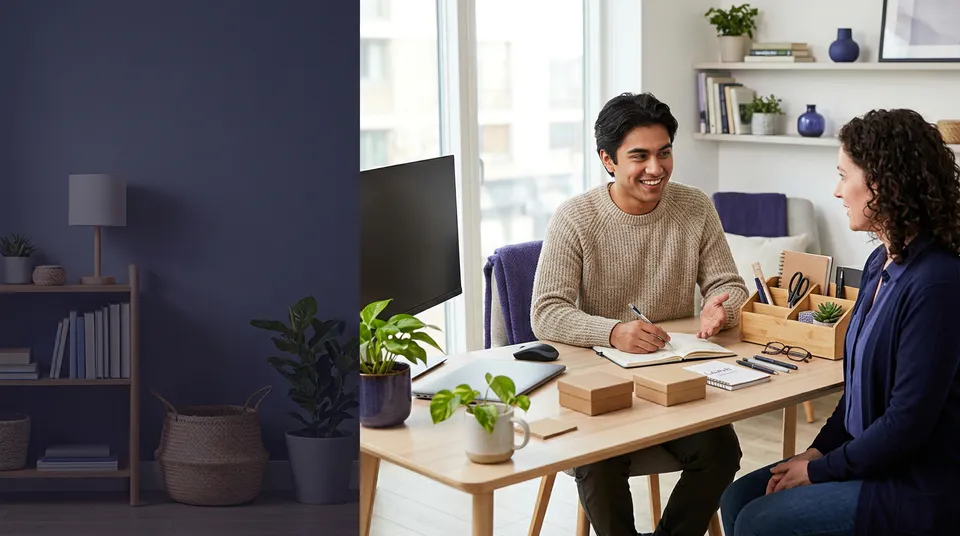
模範解答を並べて聞く
より単純な答えから始めて、Band を切り替えて、同じタスクをどのように開発できるかを聞き、それから個人的な応答を記録します。これらは指導例であり、正式な解答やスコアの保証ではありません。
Do you like to keep things tidy?
Yes, I do. I like things to be tidy because it makes it easier to find things. When my flat is tidy I feel calmer and less stressed. Sometimes I leave a bit of mess if I'm busy, but I usually do a quick tidy-up.
Generally I prefer to keep things tidy. I find that having a clear space helps me think and means I don't waste time looking for things. That said, I'm not obsessive about it — if I'm very busy I might let things pile up for a day or two, then I set aside time to sort everything out.
Did you use to keep your room tidy as a child?
No, not really. As a child I often left toys on the floor and my room could be messy. My parents had to tell me to clean it sometimes. Every so often I would tidy it properly.
I wasn't particularly tidy as a young child — my room could be a bit of a mess with toys and books everywhere. As I got older, especially at secondary school, I started to keep things neater because my parents insisted and I realised it made studying easier. So it improved with age and habit.
How do you keep your work or study space tidy?
I try to keep my desk tidy by putting pens and papers back in drawers. I clear away cups and food, and I throw away rubbish. If I finish work I make sure the desk is ready for the next day.
I keep my study space tidy by doing a quick clear-up at the end of each day: I file loose papers into labelled folders, stash chargers and cables in a box, and wipe the surface. I also do a more thorough declutter at the weekend so old notes don't build up. It really helps me stay focused.
Do you think that it is necessary to be tidy?
Yes, I think it is necessary to be tidy to some extent. Being tidy helps you work better and keeps things clean. But I don't think you need to be perfect all the time; a bit of mess is OK.
I think being reasonably tidy is important because it boosts productivity and reduces stress — you're less likely to lose things and more likely to concentrate. However, there's also room for personal style: some people do their best work in a bit of creative chaos, so it's not absolute. The key is finding a balance that works for you.
Tidiness IELTS スピーキングの質問に答える方法
この整理整頓セットには、4 つの短いインタビューの質問が含まれています。各回答は試験官が求めた情報から始めて、次に 1 つの理由、例、または対比を加えて拡張します。目標は、ミニエッセイではなく、自発的でつながりのあるスピーチです。
- 最初の文の質問に正確に答えてください。
- 理由または具体的な個人情報を 1 つ追加します。
- 例や対比は、新しい情報を追加する場合にのみ使用してください。
- 自然に終了し、試験官に次の質問をさせます。
質問ごとのアプローチ
| 練習問題 | 役に立つ答えの動き |
|---|---|
| Do you like to keep things tidy? | 直接答え、理由を述べ、自然な個人的な詳細を 1 つ追加してください。 |
| Did you use to keep your room tidy as a child? | 実際の過去の例を挙げて、何が変わったのか、なぜそれが重要なのかを述べます。 |
| How do you keep your work or study space tidy? | プロセスや違いを明確な順序で説明し、結果を追加します。 |
| Do you think that it is necessary to be tidy? | 考えられる見解を述べ、その理由を説明し、条件または例を 1 つ追加します。 |
語彙に焦点を当てる
模範解答で既に示されている有用な文言には次のようなものがあります。 tidy up, on top of things, clutter, a bit of a mess, insisted, habit, labelled folders, declutter。それぞれの意味と自然な単語の連携を学び、完全な台本をコピーするのではなく、新しい回答でその項目を使用します。
避けるべきよくある間違い
- 質問に対して部分的にしか答えていない、暗記した回答をする。
- 意味やコロケーションを確認せずに、難しい語彙を追加する。
- エラーが発生するたびに、簡単に修正して続行するのではなく、再起動します。
- 自分の最初の解答を記録する前に、模範解答を読んでください。
整理整頓の実践に関するよくある質問
パート 1 の整理整頓についての回答はどのくらいの長さにすればよいですか?
直接的な回答と理由または詳細を、通常は 2 ~ 4 文で回答することを目指します。固定語数を強制するのではなく、アイデアが完成したら停止します。
Tidiness モデルの回答を暗記する必要がありますか?
いいえ。それらを使用して構造と言語に気づき、自分の経験から答えてください。暗記した言葉遣いは、試験官が質問を変えると失敗する可能性があります。
トピックに関する経験がない場合はどうすればよいですか?
それを正直に述べてから、関連する好み、観察、または仮説の例を説明します。専門知識ではなく、言語によって評価されます。
