
IELTS 말하기 파트 1: Tidiness 질문 및 답변

파트 1 질문
한 번에 하나의 질문을 이동하세요. 듣고, 대답하고, 비교하고, 다시 시도하세요. 전체 질문 텍스트는 접근성 및 검색을 위해 페이지 HTML에 남아 있습니다.
- 01Do you like to keep things tidy?
- 02Did you use to keep your room tidy as a child?Full Band 6/7 answer →
- 03How do you keep your work or study space tidy?
- 04Do you think that it is necessary to be tidy?Full Band 6/7 answer →
전체 내용 읽기
Generally I prefer to keep things tidy. I find that having a clear space helps me think and means I don't waste time looking for things. That said, I'm not obsessive about it — if I'm very busy I might let things pile up for a day or two, then I set aside time to sort everything out.
준비상태: 예상 주제주기. 이 독립적인 연습 리소스는 공식 IELTS 시험이 아니며 시험 문제가 다를 수 있습니다. 주제에 라벨을 지정하는 방법.
말하기 전에 주제를 살펴보세요
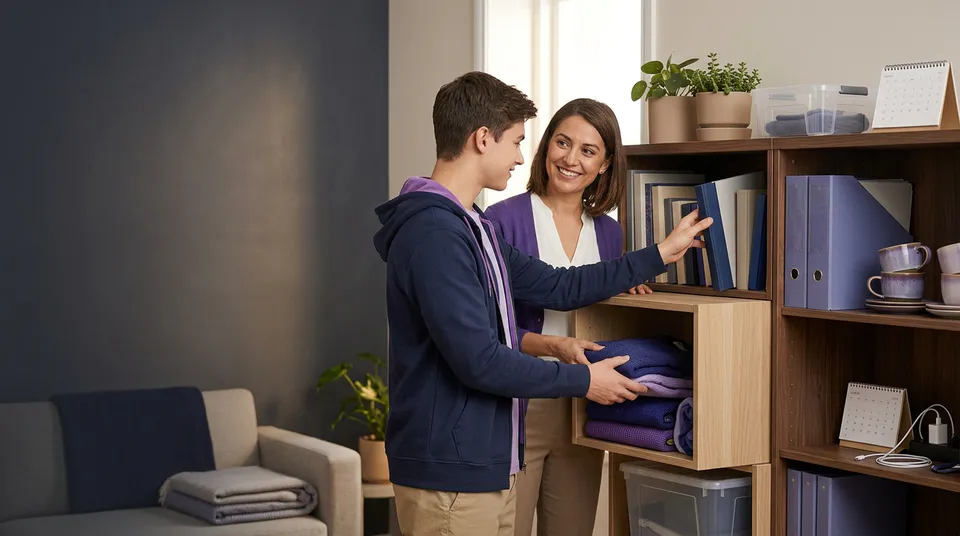
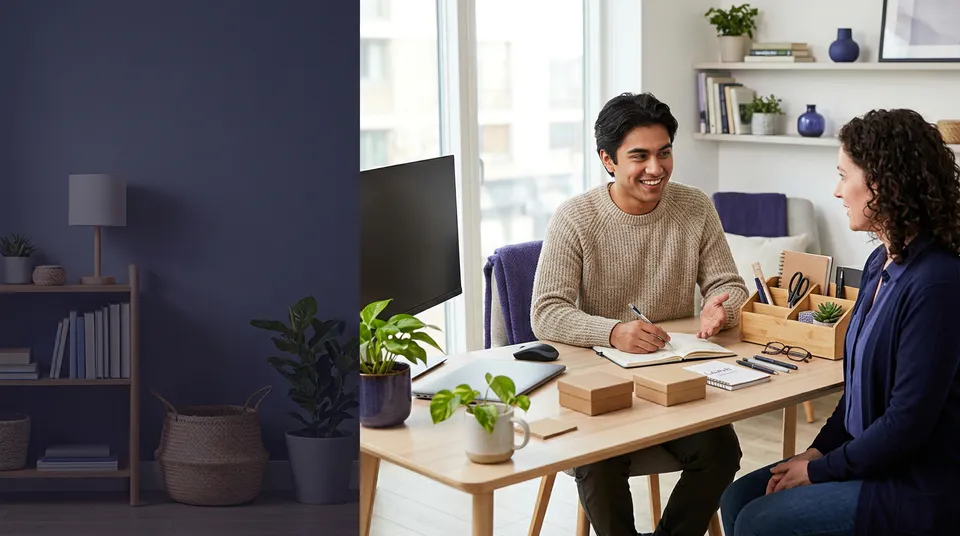
이미지를 아이디어 프롬프트로 사용하세요. 발견한 사항을 설명하고 이를 경험과 연결한 다음 실제 질문에 답하세요.
모델 답변을 나란히 들음
더 간단한 답변부터 시작하여 Band를 전환하여 동일한 작업이 어떻게 개발될 수 있는지 듣고 개인 응답을 녹음하세요. 이것은 공식적인 답변이나 점수 보장이 아닌 교육용 예시입니다.
Do you like to keep things tidy?
Yes, I do. I like things to be tidy because it makes it easier to find things. When my flat is tidy I feel calmer and less stressed. Sometimes I leave a bit of mess if I'm busy, but I usually do a quick tidy-up.
Generally I prefer to keep things tidy. I find that having a clear space helps me think and means I don't waste time looking for things. That said, I'm not obsessive about it — if I'm very busy I might let things pile up for a day or two, then I set aside time to sort everything out.
Did you use to keep your room tidy as a child?
No, not really. As a child I often left toys on the floor and my room could be messy. My parents had to tell me to clean it sometimes. Every so often I would tidy it properly.
I wasn't particularly tidy as a young child — my room could be a bit of a mess with toys and books everywhere. As I got older, especially at secondary school, I started to keep things neater because my parents insisted and I realised it made studying easier. So it improved with age and habit.
How do you keep your work or study space tidy?
I try to keep my desk tidy by putting pens and papers back in drawers. I clear away cups and food, and I throw away rubbish. If I finish work I make sure the desk is ready for the next day.
I keep my study space tidy by doing a quick clear-up at the end of each day: I file loose papers into labelled folders, stash chargers and cables in a box, and wipe the surface. I also do a more thorough declutter at the weekend so old notes don't build up. It really helps me stay focused.
Do you think that it is necessary to be tidy?
Yes, I think it is necessary to be tidy to some extent. Being tidy helps you work better and keeps things clean. But I don't think you need to be perfect all the time; a bit of mess is OK.
I think being reasonably tidy is important because it boosts productivity and reduces stress — you're less likely to lose things and more likely to concentrate. However, there's also room for personal style: some people do their best work in a bit of creative chaos, so it's not absolute. The key is finding a balance that works for you.
Tidiness IELTS 말하기 질문에 대답하는 방법
이 Tidiness 세트에는 4개의 짧은 인터뷰 질문이 포함되어 있습니다. 시험관이 요청한 정보로 각 답변을 시작한 다음 한 가지 이유, 예 또는 대조로 확장하세요. 목표는 짧은 에세이가 아닌 자연스럽고 연결된 연설입니다.
- 첫 번째 문장의 정확한 질문에 답하세요.
- 한 가지 이유나 구체적인 개인 정보를 추가하세요.
- 새로운 정보를 추가할 때만 예나 대조를 사용하십시오.
- 자연스럽게 마무리하고 시험관이 다음 질문을 하도록 하십시오.
질문별 접근 방식
| 연습문제 | 유용한 답변 이동 |
|---|---|
| Do you like to keep things tidy? | 직접 답변하고, 이유를 제시하고, 자연스러운 개인 정보를 하나 추가하세요. |
| Did you use to keep your room tidy as a child? | 과거의 실제 사례를 들고 무엇이 바뀌었는지, 왜 중요한지 말해보세요. |
| How do you keep your work or study space tidy? | 과정이나 차이점을 명확한 순서로 기술하고 결과를 추가하세요. |
| Do you think that it is necessary to be tidy? | 가능한 견해를 기술하고 이유를 설명하고 하나의 조건이나 예를 추가하십시오. |
어휘 집중
모델 답변에서 이미 입증된 유용한 언어는 다음과 같습니다. tidy up, on top of things, clutter, a bit of a mess, insisted, habit, labelled folders, declutter. 각 의미와 자연스러운 단어 파트너십을 배운 다음 전체 스크립트를 복사하는 대신 새로운 답변에 항목을 사용하십시오.
피해야 할 일반적인 실수
- 질문에 부분적으로만 대답하는 암기된 답변을 제공합니다.
- 의미나 배열을 확인하지 않고 어려운 어휘를 추가합니다.
- 잠시 수정하고 계속하는 대신 오류가 발생할 때마다 다시 시작합니다.
- 첫 번째 시도를 기록하기 전에 모범 답변을 읽어보세요.
정리정돈 실천 FAQ
파트 1의 정리에 대한 답변은 얼마나 길어야 합니까?
직접적인 답변과 이유 또는 세부 사항을 목표로 하세요. 일반적으로 2~4개의 문장으로 구성됩니다. 고정된 단어 수를 강요하기보다는 아이디어가 완성되면 중지하세요.
Tidiness 모델 답변을 외워야 하나요?
아니요. 구조와 언어를 파악하기 위해 이를 사용하고 자신의 경험을 바탕으로 답변하십시오. 시험관이 문제를 변경하면 암기한 표현이 실패할 수 있습니다.
해당 주제에 대한 경험이 없으면 어떻게 되나요?
솔직하게 말한 다음 관련된 선호도, 관찰 또는 가상의 예를 설명하십시오. 전문 지식이 아닌 언어로 평가됩니다.
