
IELTS Berbicara Bagian 2 & 3: Describe a time when you got up early
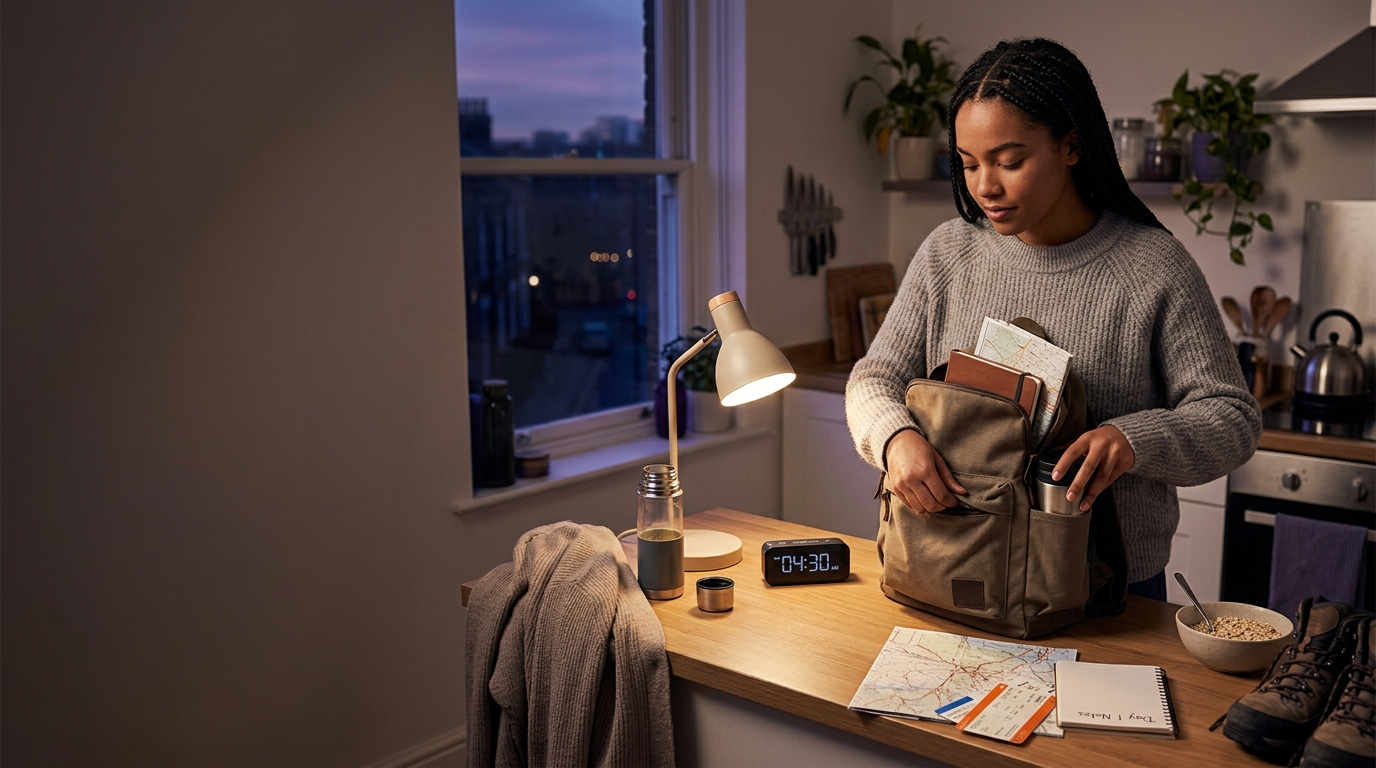
Bagian 2 kartu isyarat
Describe a time when you got up early
Anda harus mengatakan:
- Ketika itu terjadi
- Apa yang kamu lakukan
- Mengapa kamu bangun pagi-pagi
- Dan bagaimana perasaan Anda tentang hal itu
Anda memiliki waktu satu hingga dua menit untuk membicarakan topik ini.
Baca transkrip lengkapnya
Last autumn I woke up at 4.30am to climb a nearby hill and watch the sunrise. A friend who is an amateur photographer had suggested we try to catch the early light and the mist that sometimes sits in the valley, so we agreed the night before and set several alarms. I packed a small rucksack with a flask of tea, a camera and an extra jumper, and left the house in near darkness. The walk to the hilltop took about forty minutes; we moved quietly and chatted in whispers so as not to disturb the few other early risers. By the time the sun broke the horizon, the sky had turned from navy to pink and gold, and the mist lingered below the ridge — it was exactly the scene we had hoped for. I was tired at first, and a bit bleary-eyed, but as the light changed I felt energised and glad I hadn’t stayed in bed. Taking photographs and sharing them later with friends made the whole experience feel worthwhile. Getting up so early taught me that a small sacrifice can bring a memorable reward, and I’ve been more willing to try a dawn walk since then. It was a lovely morning.
Status persiapan: Siklus topik yang diprediksi. Sumber latihan mandiri ini bukan makalah IELTS resmi, dan soal-soal dalam tes Anda bisa berbeda. Bagaimana topik diberi label.
Bagian 3 pertanyaan diskusi
Pindahkan pertanyaan satu per satu: dengarkan, jawab, bandingkan, dan coba lagi. Teks pertanyaan lengkap tetap ada di halaman HTML untuk aksesibilitas dan pencarian.
- 01Do you know anyone who likes to get up early?
- 02Why do people get up early?
- 03What kinds of occasions need people to arrive early?
- 04Why do some people like to stay up late?
- 05Is it good to arrive early in any situation?
- 06What kind of people like getting up early?
Lihat topiknya sebelum Anda berbicara
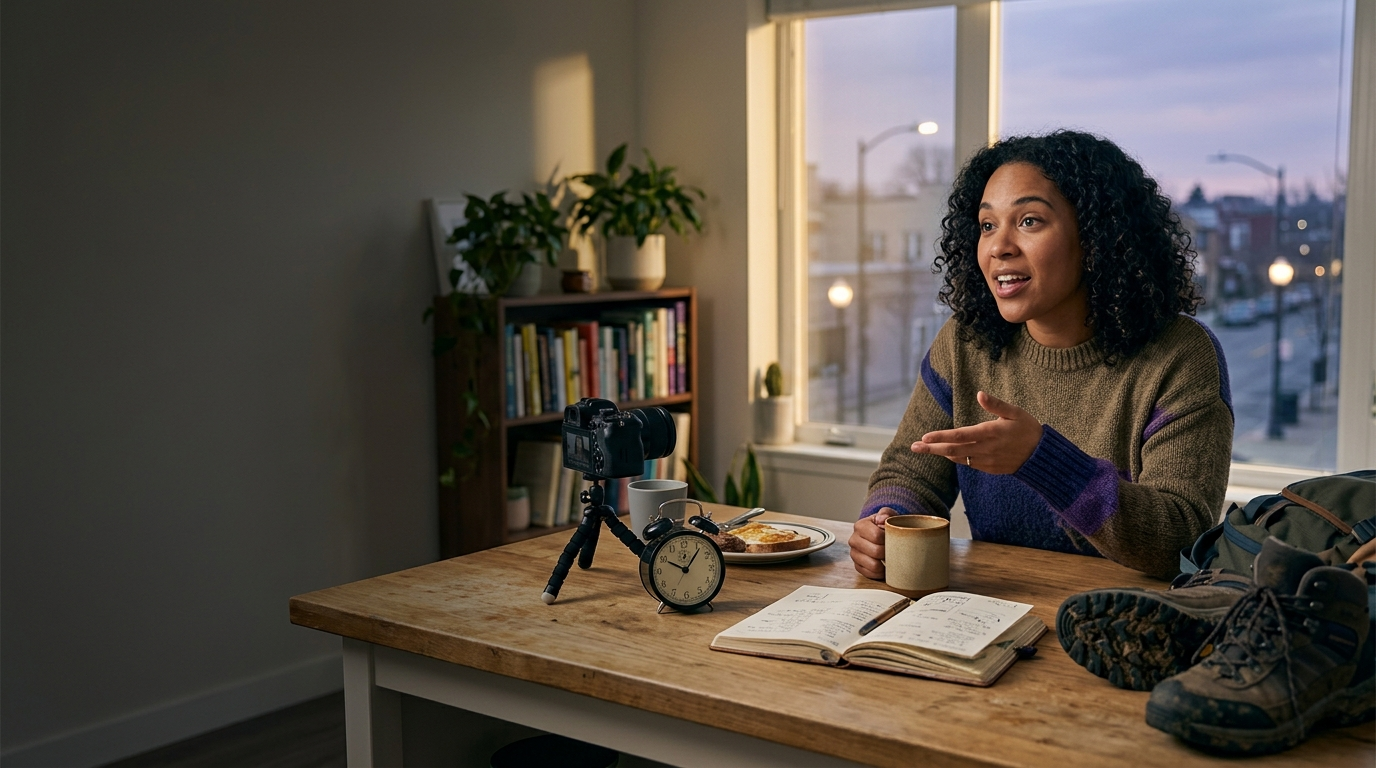
Gunakan gambar sebagai petunjuk ide. Jelaskan apa yang Anda perhatikan, hubungkan dengan pengalaman Anda, lalu jawab pertanyaan sebenarnya.

Jawaban model, terdengar berdampingan
Mulailah dengan jawaban yang lebih sederhana, alihkan Band untuk mendengarkan bagaimana tugas yang sama dapat dikembangkan, lalu catat tanggapan pribadi. Ini adalah contoh pengajaran, bukan jawaban resmi atau jaminan skor.
Bagian 2 — Jawaban Model
Part 2 cue-card response
A couple of months ago I had to get up very early because I was travelling to see my parents. My train left at 6.30am so I woke at 4.30am to pack last things, have a quick shower and grab breakfast. I took a taxi to the station and managed to sit down with a coffee before boarding. I got up early because the journey was long and I didn’t want to rush. At first I felt quite tired and a bit grumpy, but after breakfast and a short nap on the train I felt better and happy to be visiting family.
Last autumn I woke up at 4.30am to climb a nearby hill and watch the sunrise. A friend who is an amateur photographer had suggested we try to catch the early light and the mist that sometimes sits in the valley, so we agreed the night before and set several alarms. I packed a small rucksack with a flask of tea, a camera and an extra jumper, and left the house in near darkness. The walk to the hilltop took about forty minutes; we moved quietly and chatted in whispers so as not to disturb the few other early risers. By the time the sun broke the horizon, the sky had turned from navy to pink and gold, and the mist lingered below the ridge — it was exactly the scene we had hoped for. I was tired at first, and a bit bleary-eyed, but as the light changed I felt energised and glad I hadn’t stayed in bed. Taking photographs and sharing them later with friends made the whole experience feel worthwhile. Getting up so early taught me that a small sacrifice can bring a memorable reward, and I’ve been more willing to try a dawn walk since then. It was a lovely morning.
Bagian 3 - Jawaban Model
Do you know anyone who likes to get up early?
Yes, I know a few people who like to get up early. My next-door neighbour gets up at 5am every day to go running. She says she enjoys the quiet mornings and it helps her to have more time in the day. I sometimes try to join her at the weekend.
Yes, one of my colleagues is definitely an early riser — he’s up before 5am to fit in a gym session and deal with emails before the office gets busy. He finds the quiet hours much better for concentration, and he feels more in control of the day. Seeing how he plans his mornings has made me think differently about my own routine.
Why do people get up early?
People get up early for many reasons. Some have to because of work or school. Others wake early to exercise or prepare food. Also some people just prefer mornings and feel more active then.
There are several reasons why people wake early: practical obligations like commuting or shift work, health and fitness routines such as running, and personal preference linked to their biological clock. Additionally, some get up early to avoid traffic or to have uninterrupted time for planning and concentrating. Often it’s a mix of necessity and habit.
What kinds of occasions need people to arrive early?
Occasions that need people to arrive early include flights, exams and job interviews. Also ceremonies like weddings usually ask guests to be on time. If you are late it can cause problems.
Formal events such as job interviews, important meetings and exams definitely call for early arrival — you need time to register, settle and calm your nerves. Travel-related situations like catching a flight or a long-distance train also require being early because of queues and security checks. In short, whenever there’s a schedule or other people depending on you, it’s wise to turn up ahead of time.
Why do some people like to stay up late?
Some people like to stay up late because they enjoy watching TV, playing games or meeting friends. Others work or study at night. Sometimes they have trouble sleeping, so they stay awake.
Many stay up late because they are night owls by nature or because their work and social lives demand it — for instance, people in creative jobs or students often find the quiet of the night productive. Others are kept awake by screens or caffeine, and some simply prefer the social atmosphere of late-night events. Of course, staying up late can affect sleep quality and overall health.
Is it good to arrive early in any situation?
Usually it is good to arrive early. It gives you time to prepare and reduces stress. But sometimes arriving too early can be awkward, for example if you turn up at a friend’s house much too early.
Being early is generally beneficial — it shows respect, gives you space to prepare, and can help you find a good seat or settle any admin tasks. However, context matters: arriving hours before a social gathering might inconvenience the host, and some meetings start informally so turning up exceptionally early could be awkward. So it’s about judgement as much as punctuality.
What kind of people like getting up early?
People who like getting up early are often disciplined, like parents with young children, or people who work early shifts. Older people also seem to wake earlier. They usually enjoy routine.
Typically those who enjoy mornings are conscientious, organised people — parents with young children, farmers or anyone with an early-shift job are obvious examples. Also people with a morning chronotype naturally feel more alert early on and build routines around it. Often there’s a link between lifestyle, responsibilities and the preference for mornings.
Bagaimana menjawab Jelaskan saat Anda bangun pagi pertanyaan Berbicara IELTS
Untuk kartu isyarat Jelaskan waktu ketika Anda bangun pagi, gunakan menit persiapan untuk membangun rute melalui pembicaraan. Pilih subjek yang jelas, tambahkan dua momen atau detail spesifik, dan akhiri dengan alasan mengapa hal itu penting. Kemudian gunakan pertanyaan Bagian 3 yang tertaut untuk melatih penjelasan dan perbandingan yang lebih luas.
Perintah kartu isyarat:
- Ketika itu terjadi
- Apa yang kamu lakukan
- Mengapa kamu bangun pagi-pagi
- Dan bagaimana perasaan Anda tentang hal itu
- Pembukaan: mengidentifikasi orang, tempat, benda atau peristiwa.
- Perkembangan: mendeskripsikan dua detail atau momen dalam urutan yang logis.
- Ekstensi: menjelaskan alasan, hasil, perbandingan atau masalah.
- Refleksi: akhiri dengan alasan mengapa subjek tersebut berkesan atau penting.
Pendekatan pertanyaan demi pertanyaan
| Soal latihan | Langkah jawaban yang berguna |
|---|---|
| Do you know anyone who likes to get up early? | Jawab secara langsung, berikan alasan dan tambahkan satu detail pribadi yang alami. |
| Why do people get up early? | Jawab dengan satu penyebab utama, lalu dukung dengan contoh konkrit. |
| What kinds of occasions need people to arrive early? | Beri nama bendanya terlebih dahulu, lalu jelaskan fitur atau contoh spesifiknya. |
| Why do some people like to stay up late? | Jawab dengan satu penyebab utama, lalu dukung dengan contoh konkrit. |
Fokus kosakata
Bahasa yang berguna sudah ditunjukkan dalam model jawaban yang disertakan early riser, quiet hours, fit in, biological clock, avoid traffic, uninterrupted time, register, calm your nerves. Pelajari setiap arti dan hubungan kata yang alami, lalu gunakan item tersebut dalam jawaban baru alih-alih menyalin naskah lengkap.
Kesalahan umum yang harus dihindari
- Memberikan respon hafalan yang hanya menjawab sebagian pertanyaan.
- Menambah kosakata sulit tanpa memeriksa makna atau kolokasi.
- Memulai ulang setelah setiap kesalahan alih-alih mengoreksi sebentar dan melanjutkan.
- Membaca jawaban model sebelum merekam upaya pertama Anda.
Jelaskan saat Anda bangun pagi untuk latihan FAQ
Bagaimana cara menggunakan menit persiapan kartu isyarat Jelaskan saat Anda bangun pagi?
Tulis kata kunci untuk pembukaan, dua atau tiga detail, dan refleksi akhir. Jangan mencoba menulis kalimat lengkap.
Apakah saya harus menutupi setiap poin di kartu petunjuk?
Petunjuknya membantu Anda mengatur pembicaraan. Meliputinya memang berguna, tetapi respons yang koheren selama satu hingga dua menit lebih penting daripada mencentang setiap baris secara mekanis.
Bagaimana pertanyaan Bagian 3 terhubung dengan Bagian 2?
Mereka mengembangkan tema luas yang sama melalui alasan, perbandingan, dampak sosial atau kemungkinan masa depan, sehingga jawaban biasanya memerlukan penjelasan lebih banyak daripada Bagian 1.
