
雅思口說第二部分和第三部分:Describe a time when you got up early
第 2 部分 提示卡
Describe a time when you got up early
你應該說:
- 當它是
- 你做了什麼
- 為什麼早起
- 以及你對此有何感受
您將有一到兩分鐘的時間來討論這個主題。
閱讀完整的文字記錄
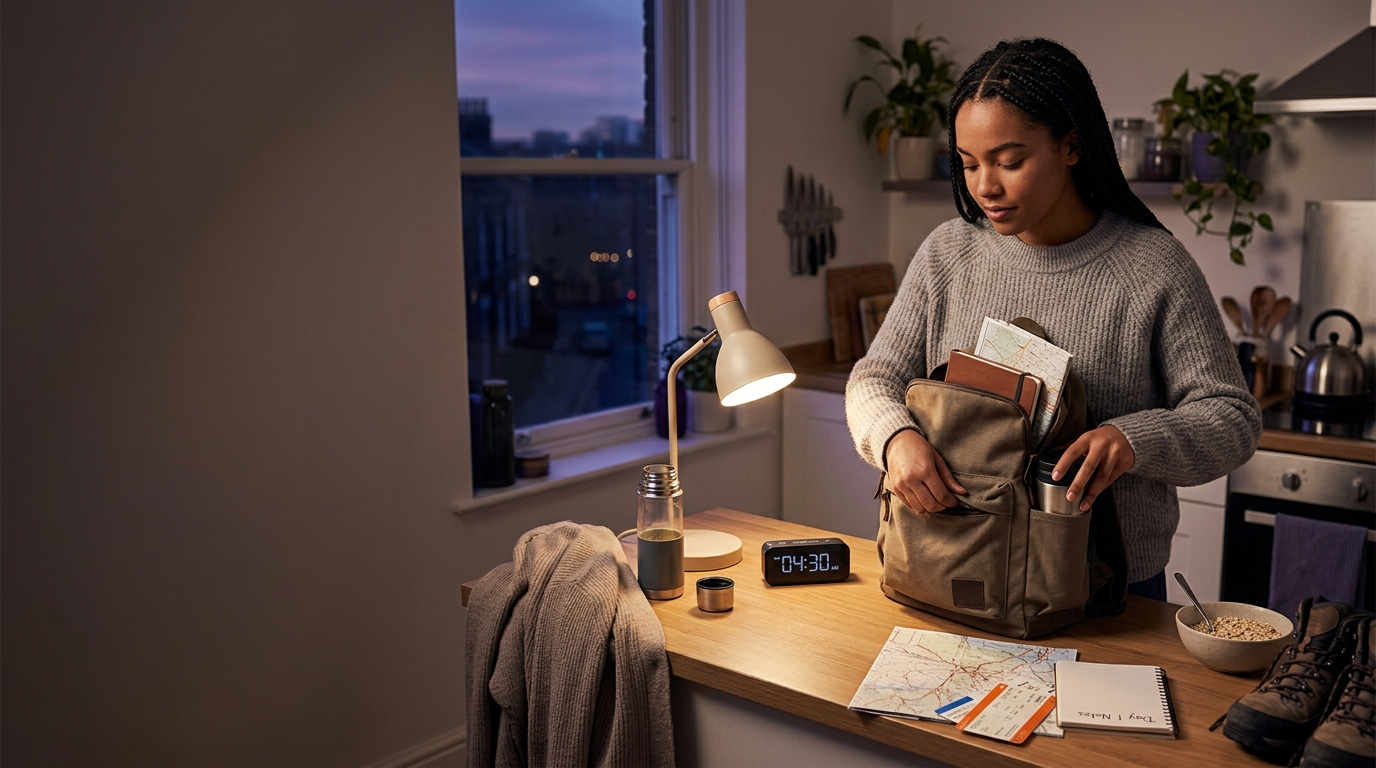
Last autumn I woke up at 4.30am to climb a nearby hill and watch the sunrise. A friend who is an amateur photographer had suggested we try to catch the early light and the mist that sometimes sits in the valley, so we agreed the night before and set several alarms. I packed a small rucksack with a flask of tea, a camera and an extra jumper, and left the house in near darkness. The walk to the hilltop took about forty minutes; we moved quietly and chatted in whispers so as not to disturb the few other early risers. By the time the sun broke the horizon, the sky had turned from navy to pink and gold, and the mist lingered below the ridge — it was exactly the scene we had hoped for. I was tired at first, and a bit bleary-eyed, but as the light changed I felt energised and glad I hadn’t stayed in bed. Taking photographs and sharing them later with friends made the whole experience feel worthwhile. Getting up so early taught me that a small sacrifice can bring a memorable reward, and I’ve been more willing to try a dawn walk since then. It was a lovely morning.
準備狀態:預測主題週期。這個獨立的練習資源不是雅思官方試卷,您測驗中的問題可能會有所不同。 主題如何標記.
第三部分討論問題
一次移動一個問題:聆聽、回答、比較並重試。完整的問題文字保留在 HTML 頁面中,以便於存取和搜尋。
- 01Do you know anyone who likes to get up early?
- 02Why do people get up early?
- 03What kinds of occasions need people to arrive early?
- 04Why do some people like to stay up late?
- 05Is it good to arrive early in any situation?
- 06What kind of people like getting up early?
說話前先看清主題
使用圖像作為想法提示。描述您注意到的內容,將其與您的經歷聯繫起來,然後回答真正的問題。


模範答案,並排聆聽
從更簡單的答案開始,切換 Band 來聽聽如何發展相同的任務,然後記錄個人回答。這些是教學範例,不是官方答案或分數保證。
第 2 部分—標準答案
Part 2 cue-card response
A couple of months ago I had to get up very early because I was travelling to see my parents. My train left at 6.30am so I woke at 4.30am to pack last things, have a quick shower and grab breakfast. I took a taxi to the station and managed to sit down with a coffee before boarding. I got up early because the journey was long and I didn’t want to rush. At first I felt quite tired and a bit grumpy, but after breakfast and a short nap on the train I felt better and happy to be visiting family.
Last autumn I woke up at 4.30am to climb a nearby hill and watch the sunrise. A friend who is an amateur photographer had suggested we try to catch the early light and the mist that sometimes sits in the valley, so we agreed the night before and set several alarms. I packed a small rucksack with a flask of tea, a camera and an extra jumper, and left the house in near darkness. The walk to the hilltop took about forty minutes; we moved quietly and chatted in whispers so as not to disturb the few other early risers. By the time the sun broke the horizon, the sky had turned from navy to pink and gold, and the mist lingered below the ridge — it was exactly the scene we had hoped for. I was tired at first, and a bit bleary-eyed, but as the light changed I felt energised and glad I hadn’t stayed in bed. Taking photographs and sharing them later with friends made the whole experience feel worthwhile. Getting up so early taught me that a small sacrifice can bring a memorable reward, and I’ve been more willing to try a dawn walk since then. It was a lovely morning.
第 3 部分—標準答案
Do you know anyone who likes to get up early?
Yes, I know a few people who like to get up early. My next-door neighbour gets up at 5am every day to go running. She says she enjoys the quiet mornings and it helps her to have more time in the day. I sometimes try to join her at the weekend.
Yes, one of my colleagues is definitely an early riser — he’s up before 5am to fit in a gym session and deal with emails before the office gets busy. He finds the quiet hours much better for concentration, and he feels more in control of the day. Seeing how he plans his mornings has made me think differently about my own routine.
Why do people get up early?
People get up early for many reasons. Some have to because of work or school. Others wake early to exercise or prepare food. Also some people just prefer mornings and feel more active then.
There are several reasons why people wake early: practical obligations like commuting or shift work, health and fitness routines such as running, and personal preference linked to their biological clock. Additionally, some get up early to avoid traffic or to have uninterrupted time for planning and concentrating. Often it’s a mix of necessity and habit.
What kinds of occasions need people to arrive early?
Occasions that need people to arrive early include flights, exams and job interviews. Also ceremonies like weddings usually ask guests to be on time. If you are late it can cause problems.
Formal events such as job interviews, important meetings and exams definitely call for early arrival — you need time to register, settle and calm your nerves. Travel-related situations like catching a flight or a long-distance train also require being early because of queues and security checks. In short, whenever there’s a schedule or other people depending on you, it’s wise to turn up ahead of time.
Why do some people like to stay up late?
Some people like to stay up late because they enjoy watching TV, playing games or meeting friends. Others work or study at night. Sometimes they have trouble sleeping, so they stay awake.
Many stay up late because they are night owls by nature or because their work and social lives demand it — for instance, people in creative jobs or students often find the quiet of the night productive. Others are kept awake by screens or caffeine, and some simply prefer the social atmosphere of late-night events. Of course, staying up late can affect sleep quality and overall health.
Is it good to arrive early in any situation?
Usually it is good to arrive early. It gives you time to prepare and reduces stress. But sometimes arriving too early can be awkward, for example if you turn up at a friend’s house much too early.
Being early is generally beneficial — it shows respect, gives you space to prepare, and can help you find a good seat or settle any admin tasks. However, context matters: arriving hours before a social gathering might inconvenience the host, and some meetings start informally so turning up exceptionally early could be awkward. So it’s about judgement as much as punctuality.
What kind of people like getting up early?
People who like getting up early are often disciplined, like parents with young children, or people who work early shifts. Older people also seem to wake earlier. They usually enjoy routine.
Typically those who enjoy mornings are conscientious, organised people — parents with young children, farmers or anyone with an early-shift job are obvious examples. Also people with a morning chronotype naturally feel more alert early on and build routines around it. Often there’s a link between lifestyle, responsibilities and the preference for mornings.
如何回答 描述一次你早起的經歷 雅思口說題目
對於「描述你早起的時間」提示卡,請利用準備時間來建立整個演講的路線。選擇一個明確的主題,加入兩個特定的時刻或細節,最後說明為什麼它很重要。然後使用連結的第 3 部分問題來練習更廣泛的解釋和比較。
提示卡提示:
- 當它是
- 你做了什麼
- 為什麼早起
- 以及你對此有何感受
- 開頭:指出人物、地點、物件或事件。
- 發展:以邏輯順序描述兩個細節或時刻。
- 擴展:解釋原因、結果、比較或問題。
- 反思:以為什麼主題令人難忘或重要來結束。
逐個問題的方法
| 練習題 | 有用的答案動作 |
|---|---|
| Do you know anyone who likes to get up early? | 直接回答,給出理由並添加一個自然的個人細節。 |
| Why do people get up early? | 回答一個主要原因,然後用一個具體的例子來支持它。 |
| What kinds of occasions need people to arrive early? | 首先命名事物,然後描述特定的功能或範例。 |
| Why do some people like to stay up late? | 回答一個主要原因,然後用一個具體的例子來支持它。 |
詞彙重點
模型答案中已經展示的有用語言包括 early riser, quiet hours, fit in, biological clock, avoid traffic, uninterrupted time, register, calm your nerves。學習每個含義和自然的單字夥伴關係,然後在新的答案中使用該項目,而不是複製完整的腳本。
要避免的常見錯誤
- 給出的記憶答案只能部分回答問題。
- 加入困難的詞彙而不檢查意義或搭配。
- 每次錯誤後重新啟動,而不是短暫修正並繼續。
- 在記錄您自己的第一次嘗試之前,請先閱讀標準答案。
描述你早起練習的一次常見問題解答
我該如何使用描述你早起的時間提示卡來準備分鐘?
為開頭、兩三個細節和最後的反思寫下關鍵字。不要試圖寫出完整的句子。
我必須覆蓋所有提示卡項目符號嗎?
提示可以幫助您組織演講。涵蓋它們是有用的,但是一到兩分鐘的連貫響應比機械地勾選每一行更重要。
第 3 部分的問題與第 2 部分有何關聯?
他們透過原因、比較、社會影響或未來的可能性發展出相同的廣泛主題,因此答案通常需要比第 1 部分更多的解釋。
