
IELTS Speaking, parties 2 et 3 : Describe an occasion when you were not allowed to use your mobile phone
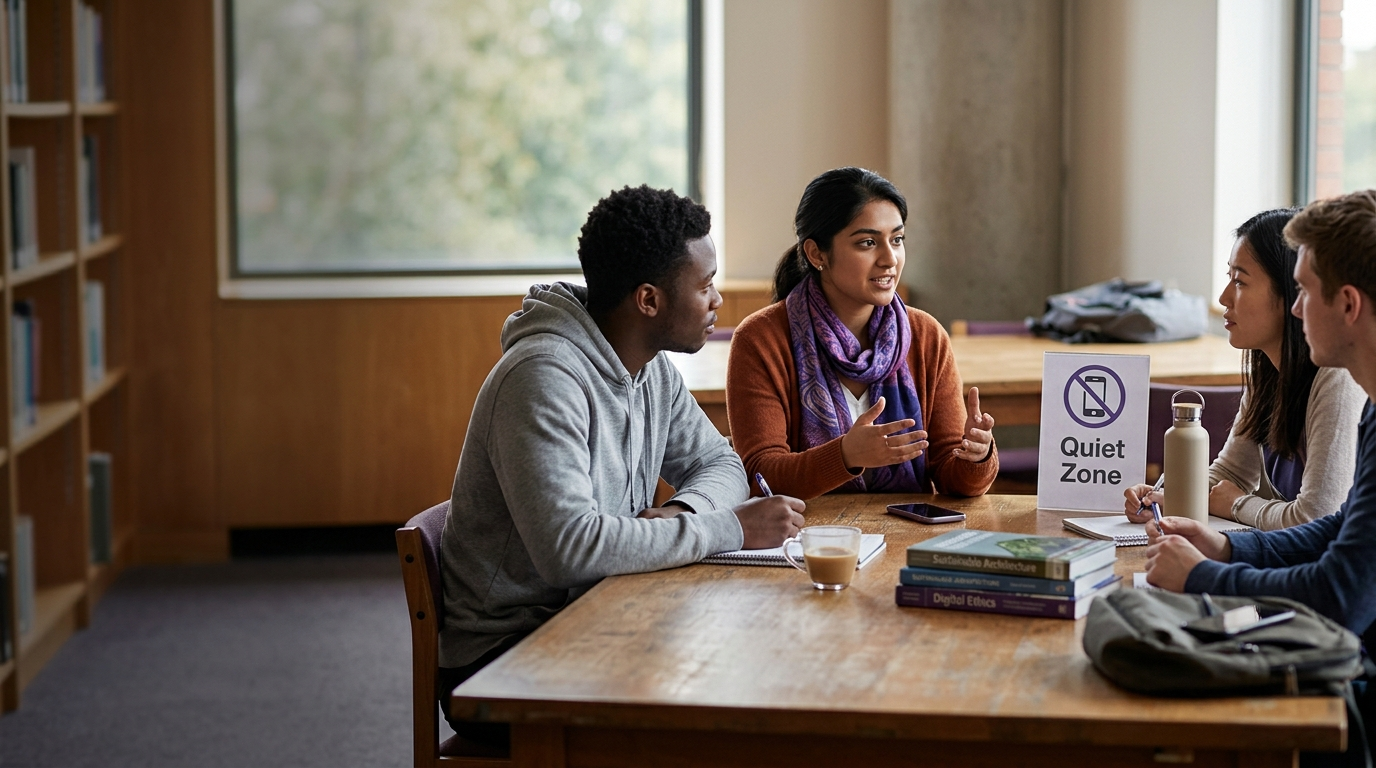
Carte aide-mémoire de la deuxième partie
Describe an occasion when you were not allowed to use your mobile phone
Il faudrait dire :
- Quand c'était
- Où c'était
- Pourquoi vous n'étiez pas autorisé à utiliser votre téléphone portable
- Et ce que tu as ressenti à ce sujet
Vous disposerez d'une à deux minutes pour aborder ce sujet.
Lire la transcription complète
Last winter, during my final university exam period, there was one occasion when I wasn't allowed to use my mobile phone. It happened in December, in a big exam hall at my campus where students were sitting shoulder-to-shoulder. To be precise, it was the two-hour economics exam on a cold Monday morning. The invigilators made it clear before we started that phones had to be switched off and left in our bags at the front; they even asked us to turn pockets inside out. The reason was obvious: phones could be used to cheat or to communicate with others outside, and exam boards take academic integrity very seriously. I remember one student who forgot and had to hand his phone in – he looked embarrassed. Initially I felt uneasy because I use my phone to check the time and calm myself with music, but after a while I relaxed and focused on the paper. In fact, removing that tiny distraction helped me concentrate better and finish on time. Afterwards, I realised it was a useful exercise in self-control, even though at first it felt like a loss of freedom. Later I joked about it with friends, and we all agreed the no-phone rule is fair — it protects everyone and keeps exams credible.
État de préparation : cycle thématique prévu. Cette ressource de pratique indépendante n'est pas un document officiel de l'IELTS et les questions de votre test peuvent être différentes. Comment les sujets sont étiquetés.
Questions de discussion de la troisième partie
Déplacez une question à la fois : écoutez, répondez, comparez et réessayez. Le texte complet de la question reste dans la page HTML pour l'accessibilité et la recherche.
- 01How do young and old people use mobile phones differently?
- 02What positive and negative impact do mobile phones have on friendship?
- 03Is it a waste of time to take pictures with mobile phones?
- 04Do you think it is necessary to have laws on the use of mobile phones?
- 05What are examples of good and poor phone manners?
- 06How does the internet benefit people?
Voir le sujet avant de parler
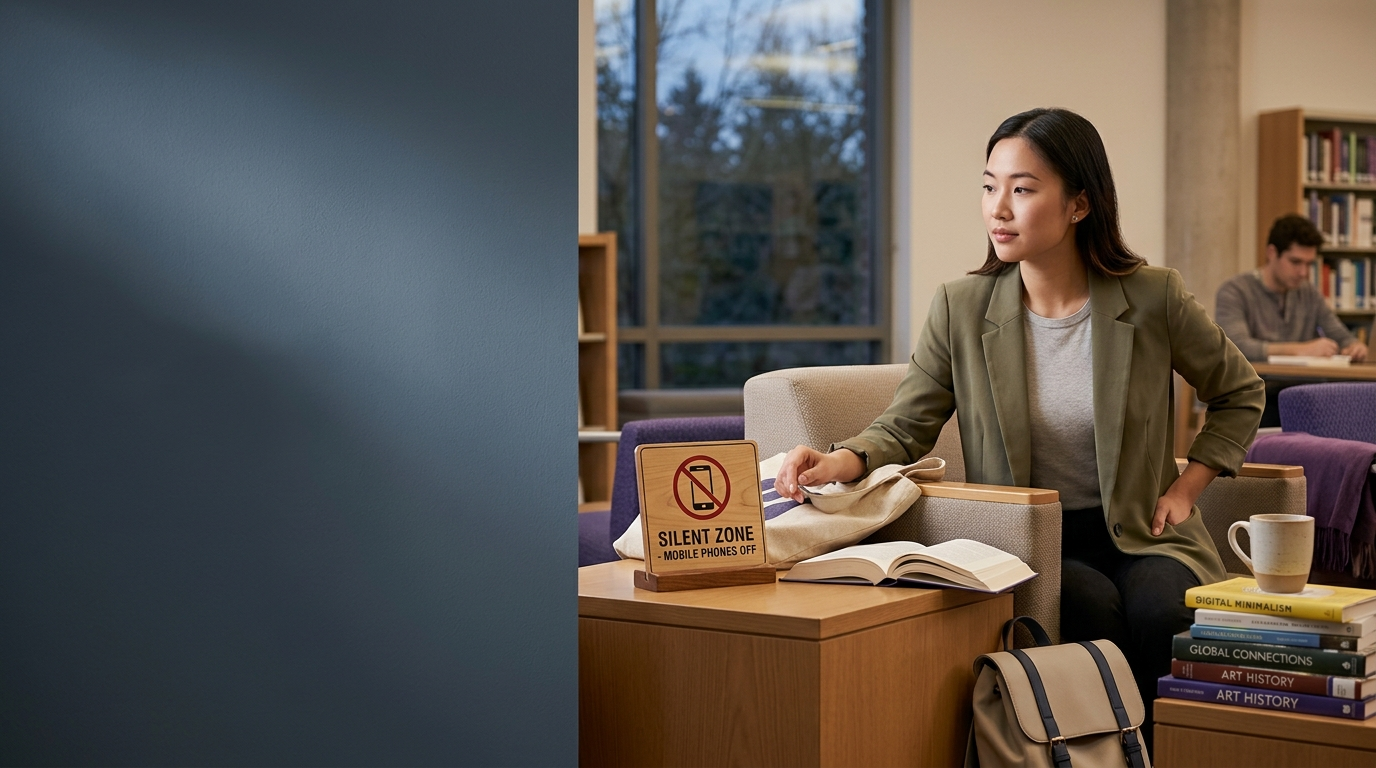
Utilisez les images comme invites à idées. Décrivez ce que vous remarquez, reliez-le à votre expérience, puis répondez à la vraie question.

Des réponses modèles, entendues côte à côte
Commencez par la réponse la plus simple, changez Band pour entendre comment la même tâche peut être développée, puis enregistrez une réponse personnelle. Ce sont des exemples pédagogiques, pas des réponses officielles ni des garanties de scores.
Partie 2 — Modèle de réponse
Part 2 cue-card response
A few months ago I had to leave my phone in my bag during a job interview. It was at the company office in the city centre, in a small meeting room. The interviewer told me at the start that phones should be switched off so we could focus. They said it was professional and they didn’t want distractions. I felt a bit nervous because I like to check messages, but I understood why. After a few minutes I relaxed and concentrated on the questions, and the interview went well.
Last winter, during my final university exam period, there was one occasion when I wasn't allowed to use my mobile phone. It happened in December, in a big exam hall at my campus where students were sitting shoulder-to-shoulder. To be precise, it was the two-hour economics exam on a cold Monday morning. The invigilators made it clear before we started that phones had to be switched off and left in our bags at the front; they even asked us to turn pockets inside out. The reason was obvious: phones could be used to cheat or to communicate with others outside, and exam boards take academic integrity very seriously. I remember one student who forgot and had to hand his phone in – he looked embarrassed. Initially I felt uneasy because I use my phone to check the time and calm myself with music, but after a while I relaxed and focused on the paper. In fact, removing that tiny distraction helped me concentrate better and finish on time. Afterwards, I realised it was a useful exercise in self-control, even though at first it felt like a loss of freedom. Later I joked about it with friends, and we all agreed the no-phone rule is fair — it protects everyone and keeps exams credible.
Partie 3 — Modèle de réponses
How do young and old people use mobile phones differently?
Young people often use phones for social media, videos and games. They message friends and post photos. Older people tend to use phones to call, text or for simple apps, and they may be less confident with new features. There is some overlap though, like video calls with family.
Younger people typically treat their phones as multi-purpose devices: social media, short videos, gaming and organising their social lives. It’s part of their identity and how they keep up with friends. Older generations more often use phones for practical tasks — calling family, checking news, or health apps — and sometimes choose simpler models. Of course many older people are tech-savvy now, but overall the pattern is that young people multitask and older people prioritise functionality.
What positive and negative impact do mobile phones have on friendship?
Phones help friends stay in touch and share photos, which is good. But they can also cause problems like misunderstandings, jealousy or people ignoring each other in person. So there are both positive and negative effects.
Mobile phones have strengthened friendships by making it easy to keep in contact across distance, share support during tough times and organise meet-ups quickly. They also let people maintain daily small talk that keeps relationships alive. On the downside, communication can become superficial — a stream of messages without real depth — and things like ghosting or public posts can cause conflict. In short, phones are a useful tool but they can also create new kinds of friction.
Is it a waste of time to take pictures with mobile phones?
Taking pictures with phones is not always a waste. It helps remember moments and share them. But sometimes people take too many photos and miss the moment. It depends how you use it.
I wouldn't call it a waste of time in general. Photographing moments can preserve memories, help with creative hobbies and even serve practical purposes like recording notes or receipts. However, there’s a trade-off: if you spend an event filming every minute you may miss the experience itself — for example, watching a concert through a screen rather than your own eyes. Moderation is key, and being selective makes photos more meaningful.
Do you think it is necessary to have laws on the use of mobile phones?
Yes, I think some laws are necessary. For example, phones should not be used while driving. There should also be rules in schools and certain workplaces. Laws help keep people safe.
I do think sensible laws are necessary, especially where safety is concerned — the ban on handheld phones while driving is a good example because it reduces accidents. Regulations are also useful in places like hospitals and aeroplanes where interference or distraction can be harmful. That said, laws must be balanced with personal freedom and be enforceable; overly strict rules that are ignored do more harm than good.
What are examples of good and poor phone manners?
Good phone manners are putting your phone on silent, not taking loud calls in public, and not texting in the middle of conversations. Poor manners include speaking loudly, constantly checking the screen and using phones at the table.
Good phone etiquette includes simple things: switching to silent in public, quickly stepping aside for a call, replying to messages at an appropriate time and asking permission before taking photos of others. Poor manners are more intrusive: loud calls on public transport, scrolling through your phone during a meal or meeting, or filming people without consent. Small gestures like a brief apology when you need to use your phone can make a big difference.
How does the internet benefit people?
The internet helps people find information, communicate, shop and study. It makes life easier and gives access to services like banking. But not everyone has good access.
The internet has transformed how people access knowledge, work and services: you can learn online, see a doctor via telemedicine, work remotely and access government services from home. It also enables social connection and new business models. However, benefits are uneven because of the digital divide, and there are downsides like misinformation and privacy risks. Overall it’s hugely beneficial, provided we tackle access and safety issues.
Statut de la pratique : sujet archivé d'un cycle précédent de banque de questions. Elle reste utile pour la pratique des compétences mais n'est pas présentée comme une question d'examen actuelle ou garantie. Comment les sujets sont étiquetés.
Comment répondre Décrivez une occasion où vous n'étiez pas autorisé à utiliser votre téléphone portable IELTS Questions orales
Pour Décrire une occasion où vous n'étiez pas autorisé à utiliser votre carte aide-mémoire de téléphone portable, utilisez la minute de préparation pour construire un itinéraire à travers l'exposé. Choisissez un sujet clair, ajoutez deux moments ou détails spécifiques et terminez par pourquoi c'est important. Utilisez ensuite les questions liées de la partie 3 pour pratiquer des explications et des comparaisons plus larges.
Invites de la carte aide-mémoire :
- Quand c'était
- Où c'était
- Pourquoi vous n'étiez pas autorisé à utiliser votre téléphone portable
- Et ce que tu as ressenti à ce sujet
- Ouverture : identifier la personne, le lieu, l'objet ou l'événement.
- Développement : décrire deux détails ou moments dans un ordre logique.
- Extension : expliquer une raison, un résultat, une comparaison ou un problème.
- Réflexion : terminez par pourquoi le sujet est mémorable ou important.
Approche question par question
| Question pratique | Mouvement de réponse utile |
|---|---|
| How do young and old people use mobile phones differently? | Décrivez le processus ou la différence dans un ordre clair et ajoutez un résultat. |
| What positive and negative impact do mobile phones have on friendship? | Nommez d’abord la chose, puis décrivez une fonctionnalité ou un exemple spécifique. |
| Is it a waste of time to take pictures with mobile phones? | Répondez directement, donnez une raison et ajoutez un détail personnel naturel. |
| Do you think it is necessary to have laws on the use of mobile phones? | Énoncez un point de vue probable, expliquez la raison et ajoutez une condition ou un exemple. |
Focus sur le vocabulaire
Le langage utile déjà démontré dans les réponses modèles comprend multitask, tech-savvy, prioritise, ghosting, superficial, maintain contact, preserve memories, trade-off. Apprenez chaque signification et un partenariat de mots naturel, puis utilisez l'élément dans une nouvelle réponse au lieu de copier un script complet.
Erreurs courantes à éviter
- Donner une réponse mémorisée qui ne répond que partiellement à la question.
- Ajouter du vocabulaire difficile sans vérifier le sens ou la collocation.
- Redémarrer après chaque erreur au lieu de corriger brièvement et de continuer.
- Lisez la réponse modèle avant d’enregistrer votre propre première tentative.
Décrivez une occasion où vous n'étiez pas autorisé à utiliser votre téléphone portable. FAQ
Comment dois-je utiliser la minute de préparation de la carte aide-mémoire Décrivez une occasion où vous n'étiez pas autorisé à utiliser votre téléphone portable ?
Écrivez des mots-clés pour une introduction, deux ou trois détails et une réflexion finale. N'essayez pas d'écrire des phrases complètes.
Dois-je couvrir chaque puce de la carte signalétique ?
Les invites vous aident à organiser la discussion. Les couvrir est utile, mais une réponse cohérente d’une à deux minutes compte plus que de cocher mécaniquement chaque ligne.
Quel est le lien entre les questions de la partie 3 et la partie 2 ?
Ils développent le même thème général à travers des raisons, des comparaisons, des effets sociaux ou des possibilités futures, de sorte que les réponses nécessitent normalement plus d'explications que la première partie.
