
IELTS 말하기 파트 2 & 3: Describe an occasion when you were not allowed to use your mobile phone
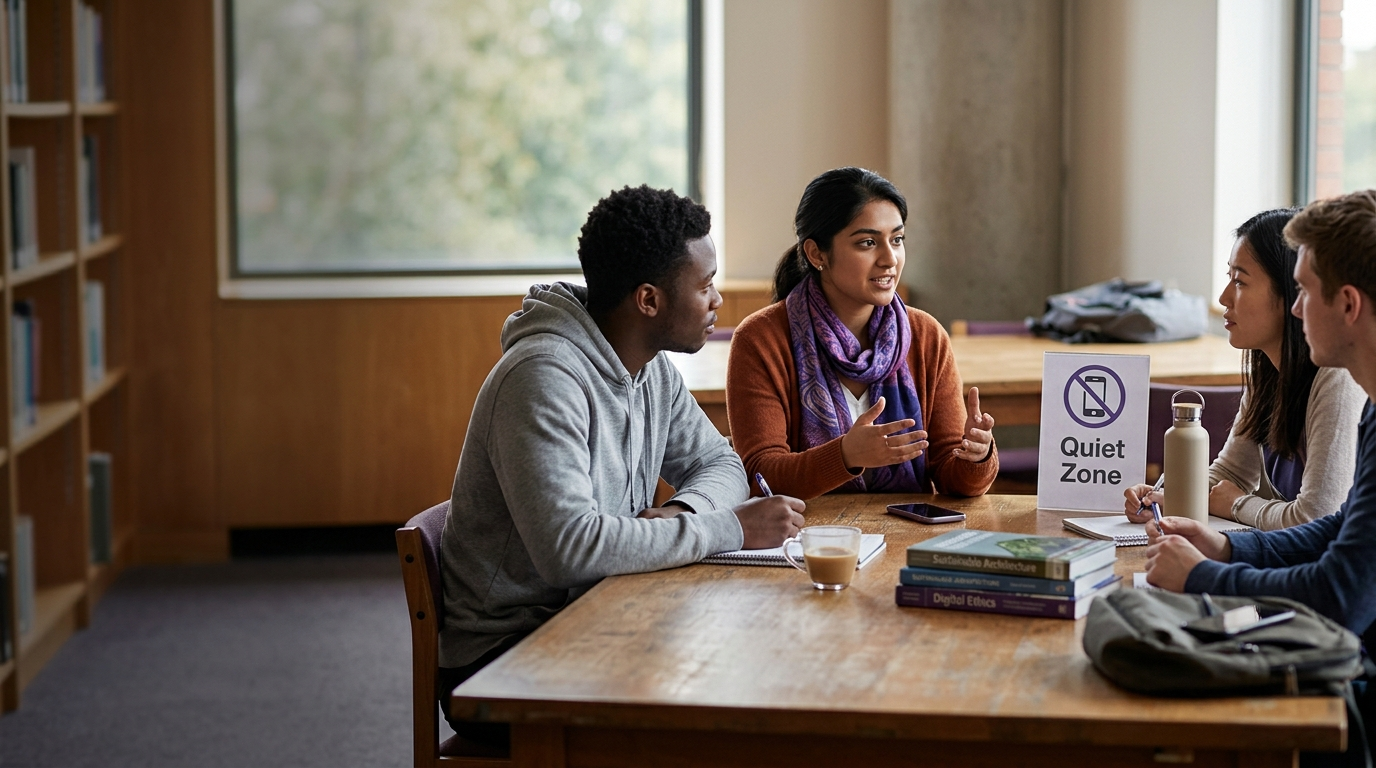
파트 2 큐 카드
Describe an occasion when you were not allowed to use your mobile phone
당신은 이렇게 말해야 합니다:
- 그랬을 때
- 그것이 어디에 있었는지
- 휴대폰 사용이 금지된 이유
- 그리고 그것에 대해 어떻게 느꼈는지
이 주제에 대해 1~2분 정도 이야기할 시간이 있습니다.
전체 내용 읽기
Last winter, during my final university exam period, there was one occasion when I wasn't allowed to use my mobile phone. It happened in December, in a big exam hall at my campus where students were sitting shoulder-to-shoulder. To be precise, it was the two-hour economics exam on a cold Monday morning. The invigilators made it clear before we started that phones had to be switched off and left in our bags at the front; they even asked us to turn pockets inside out. The reason was obvious: phones could be used to cheat or to communicate with others outside, and exam boards take academic integrity very seriously. I remember one student who forgot and had to hand his phone in – he looked embarrassed. Initially I felt uneasy because I use my phone to check the time and calm myself with music, but after a while I relaxed and focused on the paper. In fact, removing that tiny distraction helped me concentrate better and finish on time. Afterwards, I realised it was a useful exercise in self-control, even though at first it felt like a loss of freedom. Later I joked about it with friends, and we all agreed the no-phone rule is fair — it protects everyone and keeps exams credible.
준비상태: 예상 주제주기. 이 독립적인 연습 리소스는 공식 IELTS 시험이 아니며 시험 문제가 다를 수 있습니다. 주제에 라벨을 지정하는 방법.
파트 3 토론 질문
한 번에 하나의 질문을 이동하세요. 듣고, 대답하고, 비교하고, 다시 시도하세요. 전체 질문 텍스트는 접근성 및 검색을 위해 페이지 HTML에 남아 있습니다.
- 01How do young and old people use mobile phones differently?
- 02What positive and negative impact do mobile phones have on friendship?
- 03Is it a waste of time to take pictures with mobile phones?
- 04Do you think it is necessary to have laws on the use of mobile phones?
- 05What are examples of good and poor phone manners?
- 06How does the internet benefit people?
말하기 전에 주제를 살펴보세요
이미지를 아이디어 프롬프트로 사용하세요. 발견한 사항을 설명하고 이를 경험과 연결한 다음 실제 질문에 답하세요.
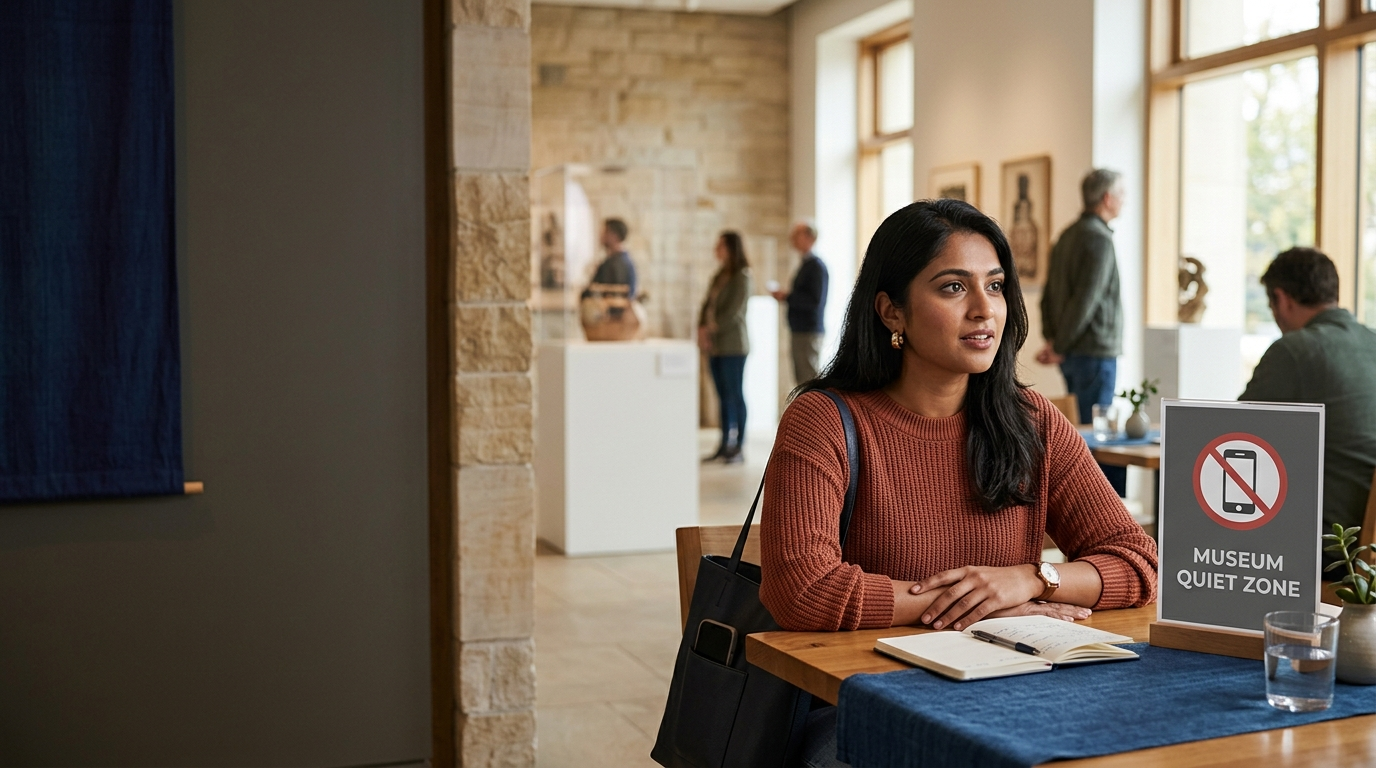
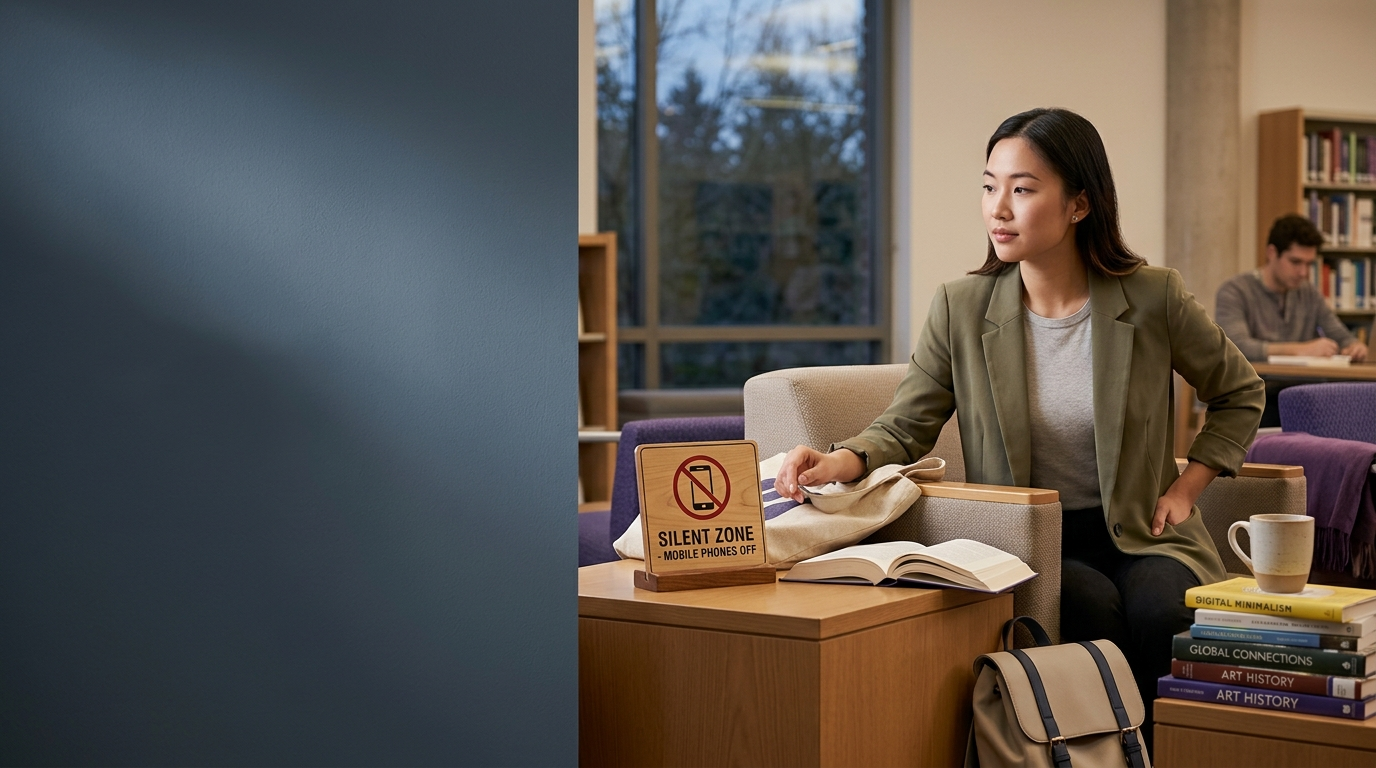
모델 답변을 나란히 들음
더 간단한 답변부터 시작하여 Band를 전환하여 동일한 작업이 어떻게 개발될 수 있는지 듣고 개인 응답을 녹음하세요. 이것은 공식적인 답변이나 점수 보장이 아닌 교육용 예시입니다.
2부 — 모델 답변
Part 2 cue-card response
A few months ago I had to leave my phone in my bag during a job interview. It was at the company office in the city centre, in a small meeting room. The interviewer told me at the start that phones should be switched off so we could focus. They said it was professional and they didn’t want distractions. I felt a bit nervous because I like to check messages, but I understood why. After a few minutes I relaxed and concentrated on the questions, and the interview went well.
Last winter, during my final university exam period, there was one occasion when I wasn't allowed to use my mobile phone. It happened in December, in a big exam hall at my campus where students were sitting shoulder-to-shoulder. To be precise, it was the two-hour economics exam on a cold Monday morning. The invigilators made it clear before we started that phones had to be switched off and left in our bags at the front; they even asked us to turn pockets inside out. The reason was obvious: phones could be used to cheat or to communicate with others outside, and exam boards take academic integrity very seriously. I remember one student who forgot and had to hand his phone in – he looked embarrassed. Initially I felt uneasy because I use my phone to check the time and calm myself with music, but after a while I relaxed and focused on the paper. In fact, removing that tiny distraction helped me concentrate better and finish on time. Afterwards, I realised it was a useful exercise in self-control, even though at first it felt like a loss of freedom. Later I joked about it with friends, and we all agreed the no-phone rule is fair — it protects everyone and keeps exams credible.
3부 - 모델 답변
How do young and old people use mobile phones differently?
Young people often use phones for social media, videos and games. They message friends and post photos. Older people tend to use phones to call, text or for simple apps, and they may be less confident with new features. There is some overlap though, like video calls with family.
Younger people typically treat their phones as multi-purpose devices: social media, short videos, gaming and organising their social lives. It’s part of their identity and how they keep up with friends. Older generations more often use phones for practical tasks — calling family, checking news, or health apps — and sometimes choose simpler models. Of course many older people are tech-savvy now, but overall the pattern is that young people multitask and older people prioritise functionality.
What positive and negative impact do mobile phones have on friendship?
Phones help friends stay in touch and share photos, which is good. But they can also cause problems like misunderstandings, jealousy or people ignoring each other in person. So there are both positive and negative effects.
Mobile phones have strengthened friendships by making it easy to keep in contact across distance, share support during tough times and organise meet-ups quickly. They also let people maintain daily small talk that keeps relationships alive. On the downside, communication can become superficial — a stream of messages without real depth — and things like ghosting or public posts can cause conflict. In short, phones are a useful tool but they can also create new kinds of friction.
Is it a waste of time to take pictures with mobile phones?
Taking pictures with phones is not always a waste. It helps remember moments and share them. But sometimes people take too many photos and miss the moment. It depends how you use it.
I wouldn't call it a waste of time in general. Photographing moments can preserve memories, help with creative hobbies and even serve practical purposes like recording notes or receipts. However, there’s a trade-off: if you spend an event filming every minute you may miss the experience itself — for example, watching a concert through a screen rather than your own eyes. Moderation is key, and being selective makes photos more meaningful.
Do you think it is necessary to have laws on the use of mobile phones?
Yes, I think some laws are necessary. For example, phones should not be used while driving. There should also be rules in schools and certain workplaces. Laws help keep people safe.
I do think sensible laws are necessary, especially where safety is concerned — the ban on handheld phones while driving is a good example because it reduces accidents. Regulations are also useful in places like hospitals and aeroplanes where interference or distraction can be harmful. That said, laws must be balanced with personal freedom and be enforceable; overly strict rules that are ignored do more harm than good.
What are examples of good and poor phone manners?
Good phone manners are putting your phone on silent, not taking loud calls in public, and not texting in the middle of conversations. Poor manners include speaking loudly, constantly checking the screen and using phones at the table.
Good phone etiquette includes simple things: switching to silent in public, quickly stepping aside for a call, replying to messages at an appropriate time and asking permission before taking photos of others. Poor manners are more intrusive: loud calls on public transport, scrolling through your phone during a meal or meeting, or filming people without consent. Small gestures like a brief apology when you need to use your phone can make a big difference.
How does the internet benefit people?
The internet helps people find information, communicate, shop and study. It makes life easier and gives access to services like banking. But not everyone has good access.
The internet has transformed how people access knowledge, work and services: you can learn online, see a doctor via telemedicine, work remotely and access government services from home. It also enables social connection and new business models. However, benefits are uneven because of the digital divide, and there are downsides like misinformation and privacy risks. Overall it’s hugely beneficial, provided we tackle access and safety issues.
연습 상태: 이전 문제 은행 주기에서 보관된 주제입니다. 기술 연습에는 여전히 유용하지만 현재 또는 보장된 시험 문제로 제시되지는 않습니다. 주제에 라벨을 지정하는 방법.
답변 방법 휴대폰 사용이 허용되지 않았던 경우를 설명하세요. IELTS 말하기 질문
휴대폰 큐 카드를 사용할 수 없었던 사례를 설명하려면 준비 시간을 사용하여 연설을 통한 경로를 구축하십시오. 명확한 주제를 선택하고 두 가지 구체적인 순간이나 세부 사항을 추가한 후 그것이 중요한 이유를 설명하여 마무리하세요. 그런 다음 연결된 파트 3 질문을 사용하여 더 폭넓은 설명과 비교를 연습하세요.
큐 카드 프롬프트:
- 그랬을 때
- 그것이 어디에 있었는지
- 휴대폰 사용이 금지된 이유
- 그리고 그것에 대해 어떻게 느꼈는지
- 열기: 사람, 장소, 사물 또는 사건을 식별합니다.
- 개발: 두 가지 세부 사항이나 순간을 논리적 순서로 설명합니다.
- 확장: 이유, 결과, 비교 또는 문제를 설명합니다.
- 묵상: 주제가 기억에 남거나 중요한 이유를 설명하여 마무리합니다.
질문별 접근 방식
| 연습문제 | 유용한 답변 이동 |
|---|---|
| How do young and old people use mobile phones differently? | 과정이나 차이점을 명확한 순서로 기술하고 결과를 추가하세요. |
| What positive and negative impact do mobile phones have on friendship? | 먼저 사물의 이름을 지정한 다음 구체적인 특징이나 예를 설명하세요. |
| Is it a waste of time to take pictures with mobile phones? | 직접 답변하고, 이유를 제시하고, 자연스러운 개인 정보를 하나 추가하세요. |
| Do you think it is necessary to have laws on the use of mobile phones? | 가능한 견해를 기술하고 이유를 설명하고 하나의 조건이나 예를 추가하십시오. |
어휘 집중
모델 답변에서 이미 입증된 유용한 언어는 다음과 같습니다. multitask, tech-savvy, prioritise, ghosting, superficial, maintain contact, preserve memories, trade-off. 각 의미와 자연스러운 단어 파트너십을 배운 다음 전체 스크립트를 복사하는 대신 새로운 답변에 항목을 사용하십시오.
피해야 할 일반적인 실수
- 질문에 부분적으로만 대답하는 암기된 답변을 제공합니다.
- 의미나 배열을 확인하지 않고 어려운 어휘를 추가합니다.
- 잠시 수정하고 계속하는 대신 오류가 발생할 때마다 다시 시작합니다.
- 첫 번째 시도를 기록하기 전에 모범 답변을 읽어보세요.
휴대전화 연습을 사용할 수 없었던 경우에 대해 설명해주세요. FAQ
휴대폰 큐카드 준비시간을 사용하지 못한 경우를 어떻게 기술해야 하나요?
오프닝, 두세 가지 세부 사항 및 최종 반영을 위한 키워드를 작성하세요. 완전한 문장을 쓰려고 하지 마세요.
큐카드 총알을 모두 가려야 하나요?
프롬프트는 대화를 정리하는 데 도움이 됩니다. 이를 덮는 것이 유용하지만 각 라인을 기계적으로 체크하는 것보다 일관된 1~2분 응답이 더 중요합니다.
파트 3 질문은 파트 2와 어떻게 연결되어 있나요?
이유, 비교, 사회적 영향 또는 미래 가능성을 통해 동일한 광범위한 주제를 전개하므로 답변에는 일반적으로 파트 1보다 더 많은 설명이 필요합니다.
