
IELTS スピーキング パート 2 & 3: Describe an occasion when you were not allowed to use your mobile phone
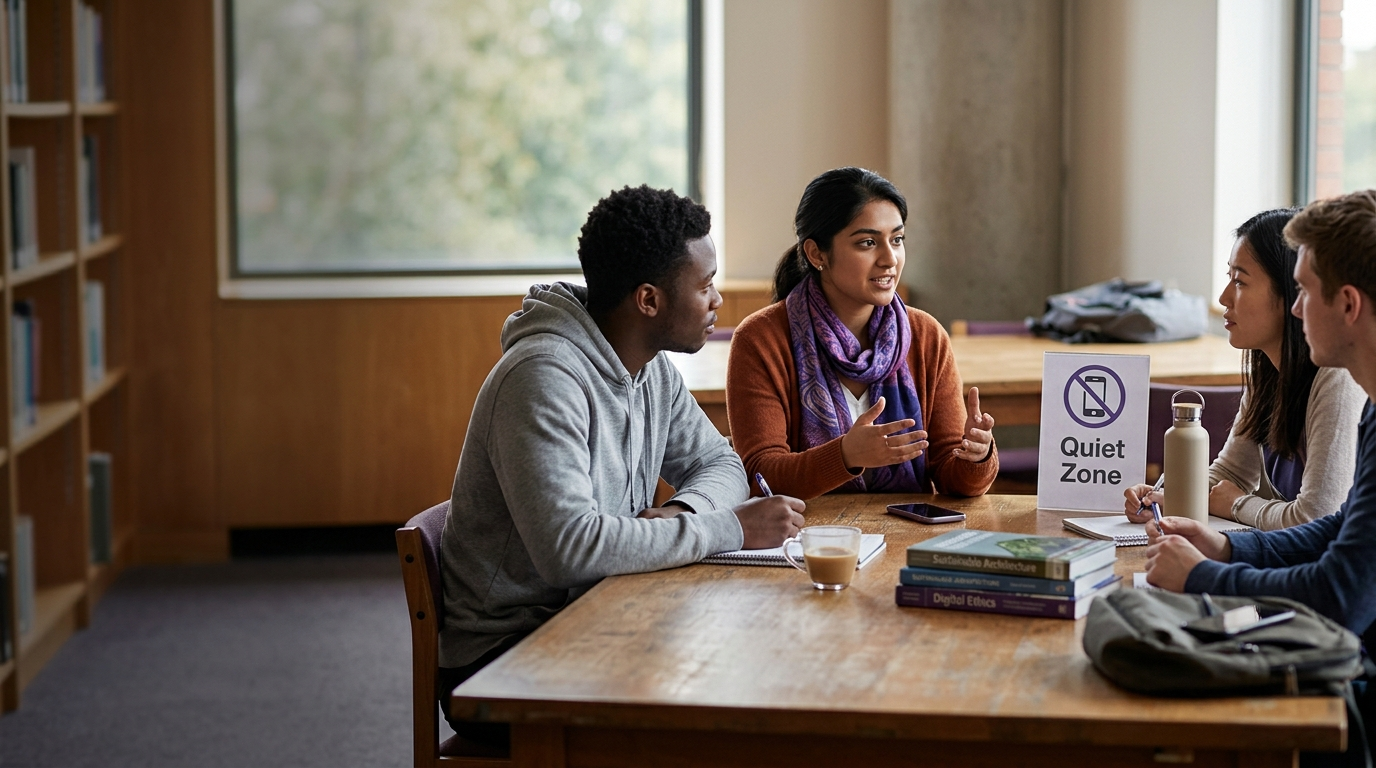
パート2のキューカード
Describe an occasion when you were not allowed to use your mobile phone
次のように言うべきです。
- それがあったとき
- どこにあったのか
- 携帯電話の使用を許可されなかった理由
- そしてそれについてどう感じたか
このトピックについて話す時間は 1 ~ 2 分です。
完全なトランスクリプトを読む
Last winter, during my final university exam period, there was one occasion when I wasn't allowed to use my mobile phone. It happened in December, in a big exam hall at my campus where students were sitting shoulder-to-shoulder. To be precise, it was the two-hour economics exam on a cold Monday morning. The invigilators made it clear before we started that phones had to be switched off and left in our bags at the front; they even asked us to turn pockets inside out. The reason was obvious: phones could be used to cheat or to communicate with others outside, and exam boards take academic integrity very seriously. I remember one student who forgot and had to hand his phone in – he looked embarrassed. Initially I felt uneasy because I use my phone to check the time and calm myself with music, but after a while I relaxed and focused on the paper. In fact, removing that tiny distraction helped me concentrate better and finish on time. Afterwards, I realised it was a useful exercise in self-control, even though at first it felt like a loss of freedom. Later I joked about it with friends, and we all agreed the no-phone rule is fair — it protects everyone and keeps exams credible.
準備状況: 予測されたトピックサイクル。この独立した練習用リソースは IELTS の公式論文ではないため、テストの問題は異なる場合があります。 トピックのラベル付け方法.
パート 3 のディスカッションの質問
一度に 1 つずつ質問を進めてください。聞いて、答え、比較し、再試行してください。完全な質問テキストは、アクセシビリティと検索のためにページの HTML に残ります。
- 01How do young and old people use mobile phones differently?
- 02What positive and negative impact do mobile phones have on friendship?
- 03Is it a waste of time to take pictures with mobile phones?
- 04Do you think it is necessary to have laws on the use of mobile phones?
- 05What are examples of good and poor phone manners?
- 06How does the internet benefit people?
話す前にトピックを確認する
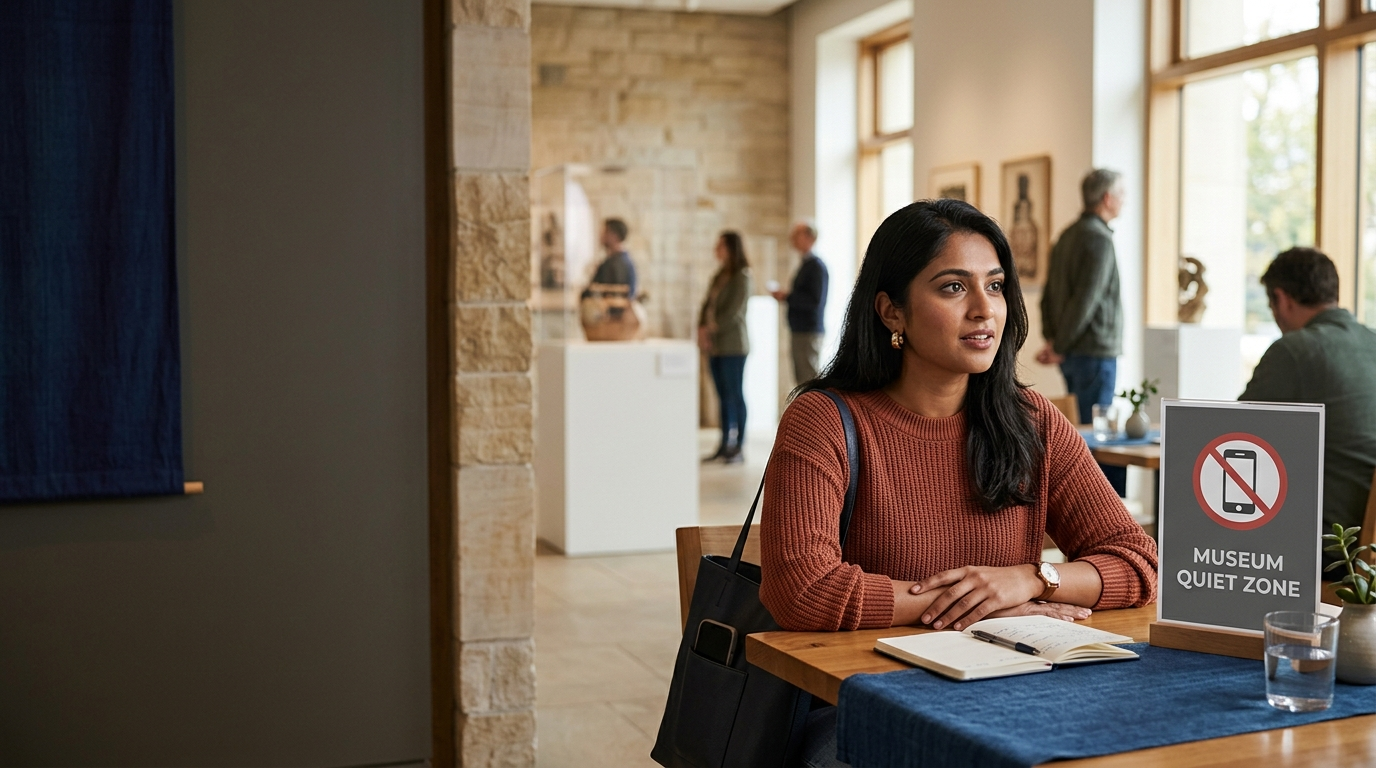
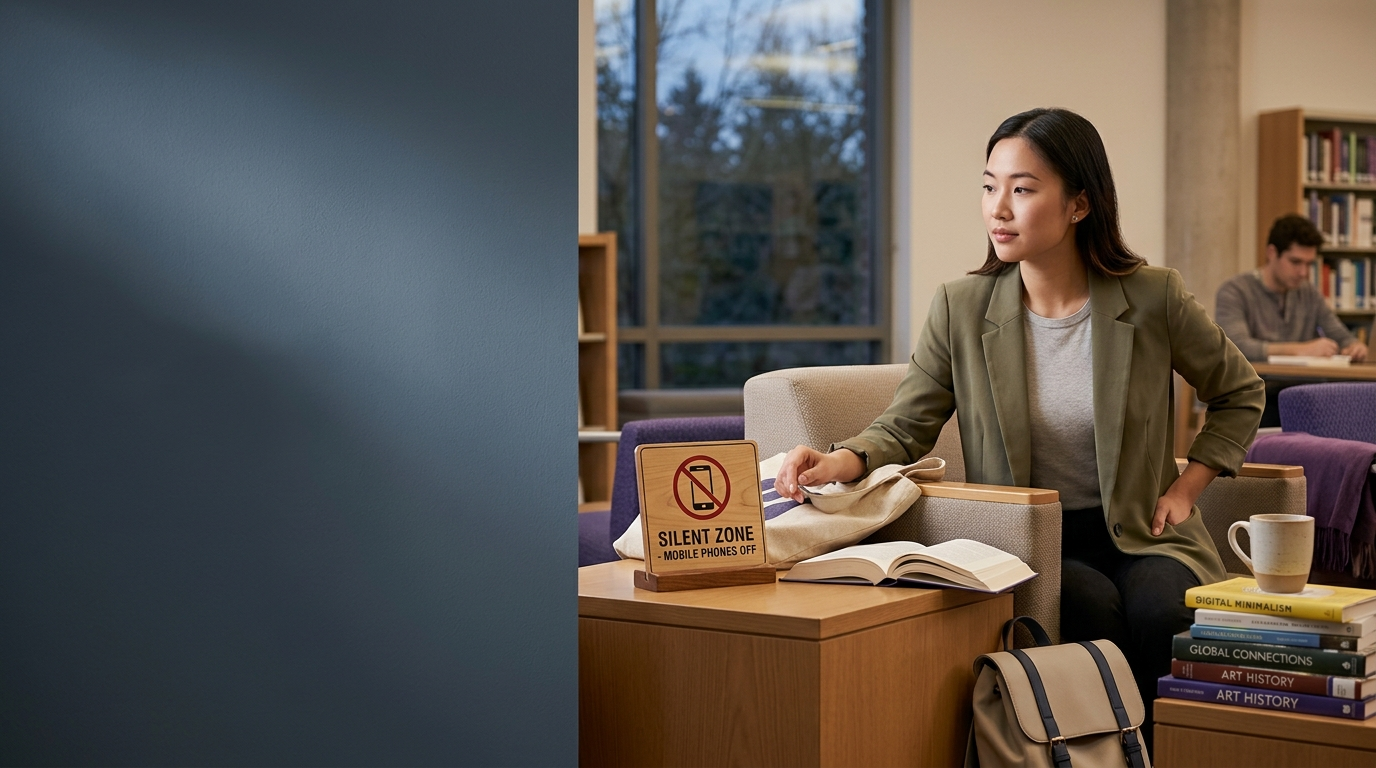
画像をアイデアのヒントとして使用します。気づいたことを説明し、それを自分の経験に結び付けてから、本当の質問に答えてください。
模範解答を並べて聞く
より単純な答えから始めて、Band を切り替えて、同じタスクをどのように開発できるかを聞き、それから個人的な応答を記録します。これらは指導例であり、正式な解答やスコアの保証ではありません。
パート 2 — 模範解答
Part 2 cue-card response
A few months ago I had to leave my phone in my bag during a job interview. It was at the company office in the city centre, in a small meeting room. The interviewer told me at the start that phones should be switched off so we could focus. They said it was professional and they didn’t want distractions. I felt a bit nervous because I like to check messages, but I understood why. After a few minutes I relaxed and concentrated on the questions, and the interview went well.
Last winter, during my final university exam period, there was one occasion when I wasn't allowed to use my mobile phone. It happened in December, in a big exam hall at my campus where students were sitting shoulder-to-shoulder. To be precise, it was the two-hour economics exam on a cold Monday morning. The invigilators made it clear before we started that phones had to be switched off and left in our bags at the front; they even asked us to turn pockets inside out. The reason was obvious: phones could be used to cheat or to communicate with others outside, and exam boards take academic integrity very seriously. I remember one student who forgot and had to hand his phone in – he looked embarrassed. Initially I felt uneasy because I use my phone to check the time and calm myself with music, but after a while I relaxed and focused on the paper. In fact, removing that tiny distraction helped me concentrate better and finish on time. Afterwards, I realised it was a useful exercise in self-control, even though at first it felt like a loss of freedom. Later I joked about it with friends, and we all agreed the no-phone rule is fair — it protects everyone and keeps exams credible.
パート 3 — 模範解答
How do young and old people use mobile phones differently?
Young people often use phones for social media, videos and games. They message friends and post photos. Older people tend to use phones to call, text or for simple apps, and they may be less confident with new features. There is some overlap though, like video calls with family.
Younger people typically treat their phones as multi-purpose devices: social media, short videos, gaming and organising their social lives. It’s part of their identity and how they keep up with friends. Older generations more often use phones for practical tasks — calling family, checking news, or health apps — and sometimes choose simpler models. Of course many older people are tech-savvy now, but overall the pattern is that young people multitask and older people prioritise functionality.
What positive and negative impact do mobile phones have on friendship?
Phones help friends stay in touch and share photos, which is good. But they can also cause problems like misunderstandings, jealousy or people ignoring each other in person. So there are both positive and negative effects.
Mobile phones have strengthened friendships by making it easy to keep in contact across distance, share support during tough times and organise meet-ups quickly. They also let people maintain daily small talk that keeps relationships alive. On the downside, communication can become superficial — a stream of messages without real depth — and things like ghosting or public posts can cause conflict. In short, phones are a useful tool but they can also create new kinds of friction.
Is it a waste of time to take pictures with mobile phones?
Taking pictures with phones is not always a waste. It helps remember moments and share them. But sometimes people take too many photos and miss the moment. It depends how you use it.
I wouldn't call it a waste of time in general. Photographing moments can preserve memories, help with creative hobbies and even serve practical purposes like recording notes or receipts. However, there’s a trade-off: if you spend an event filming every minute you may miss the experience itself — for example, watching a concert through a screen rather than your own eyes. Moderation is key, and being selective makes photos more meaningful.
Do you think it is necessary to have laws on the use of mobile phones?
Yes, I think some laws are necessary. For example, phones should not be used while driving. There should also be rules in schools and certain workplaces. Laws help keep people safe.
I do think sensible laws are necessary, especially where safety is concerned — the ban on handheld phones while driving is a good example because it reduces accidents. Regulations are also useful in places like hospitals and aeroplanes where interference or distraction can be harmful. That said, laws must be balanced with personal freedom and be enforceable; overly strict rules that are ignored do more harm than good.
What are examples of good and poor phone manners?
Good phone manners are putting your phone on silent, not taking loud calls in public, and not texting in the middle of conversations. Poor manners include speaking loudly, constantly checking the screen and using phones at the table.
Good phone etiquette includes simple things: switching to silent in public, quickly stepping aside for a call, replying to messages at an appropriate time and asking permission before taking photos of others. Poor manners are more intrusive: loud calls on public transport, scrolling through your phone during a meal or meeting, or filming people without consent. Small gestures like a brief apology when you need to use your phone can make a big difference.
How does the internet benefit people?
The internet helps people find information, communicate, shop and study. It makes life easier and gives access to services like banking. But not everyone has good access.
The internet has transformed how people access knowledge, work and services: you can learn online, see a doctor via telemedicine, work remotely and access government services from home. It also enables social connection and new business models. However, benefits are uneven because of the digital divide, and there are downsides like misinformation and privacy risks. Overall it’s hugely beneficial, provided we tackle access and safety issues.
実践ステータス: 以前の質問バンク サイクルからアーカイブされたトピック。これはスキルの練習には役立ちますが、現在の試験問題または保証された試験問題としては提示されません。 トピックのラベル付け方法.
回答方法 携帯電話の使用が許可されなかった状況について説明してください IELTS スピーキング問題
「携帯電話のキュー カードの使用が許可されなかった場合の説明」では、準備議事録を使用して、話の流れを構築します。明確な主題を選択し、2 つの具体的な瞬間または詳細を追加し、それが重要な理由で終わります。次に、リンクされたパート 3 の質問を使用して、より広範な説明と比較を練習します。
キューカードのプロンプト:
- それがあったとき
- どこにあったのか
- 携帯電話の使用を許可されなかった理由
- そしてそれについてどう感じたか
- オープニング: 人、場所、物体、または出来事を特定します。
- 開発: 2 つの詳細または瞬間を論理的な順序で説明します。
- 拡張: 理由、結果、比較、または問題を説明します。
- 振り返り: その主題がなぜ記憶に残るのか、または重要なのかを最後に述べます。
質問ごとのアプローチ
| 練習問題 | 役に立つ答えの動き |
|---|---|
| How do young and old people use mobile phones differently? | プロセスや違いを明確な順序で説明し、結果を追加します。 |
| What positive and negative impact do mobile phones have on friendship? | まず物に名前を付けてから、具体的な機能や例を説明します。 |
| Is it a waste of time to take pictures with mobile phones? | 直接答え、理由を述べ、自然な個人的な詳細を 1 つ追加してください。 |
| Do you think it is necessary to have laws on the use of mobile phones? | 考えられる見解を述べ、その理由を説明し、条件または例を 1 つ追加します。 |
語彙に焦点を当てる
模範解答で既に示されている有用な文言には次のようなものがあります。 multitask, tech-savvy, prioritise, ghosting, superficial, maintain contact, preserve memories, trade-off。それぞれの意味と自然な単語の連携を学び、完全な台本をコピーするのではなく、新しい回答でその項目を使用します。
避けるべきよくある間違い
- 質問に対して部分的にしか答えていない、暗記した回答をする。
- 意味やコロケーションを確認せずに、難しい語彙を追加する。
- エラーが発生するたびに、簡単に修正して続行するのではなく、再起動します。
- 自分の最初の解答を記録する前に、模範解答を読んでください。
携帯電話の使用を許可されなかった状況について説明してください 練習用 FAQ
携帯電話のキューカード準備議事録の使用を許可されなかった場合の説明をどのように使用すればよいですか?
冒頭、2 つまたは 3 つの詳細、最後の感想のキーワードを書きます。完全な文章を書こうとしないでください。
キューカードのすべての箇条書きをカバーする必要がありますか?
プロンプトはトークを整理するのに役立ちます。それらをカバーすることは有益ですが、機械的に各行をチェックするよりも、1 ~ 2 分間の一貫した応答の方が重要です。
パート 3 の質問はパート 2 にどのように関連していますか?
これらは、理由、比較、社会的影響、将来の可能性を通じて同じ広範なテーマを展開するため、通常、回答にはパート 1 よりも詳しい説明が必要です。
