
IELTS スピーキング パート 2 & 3: Describe a piece of technology (not a phone) that you would like to own
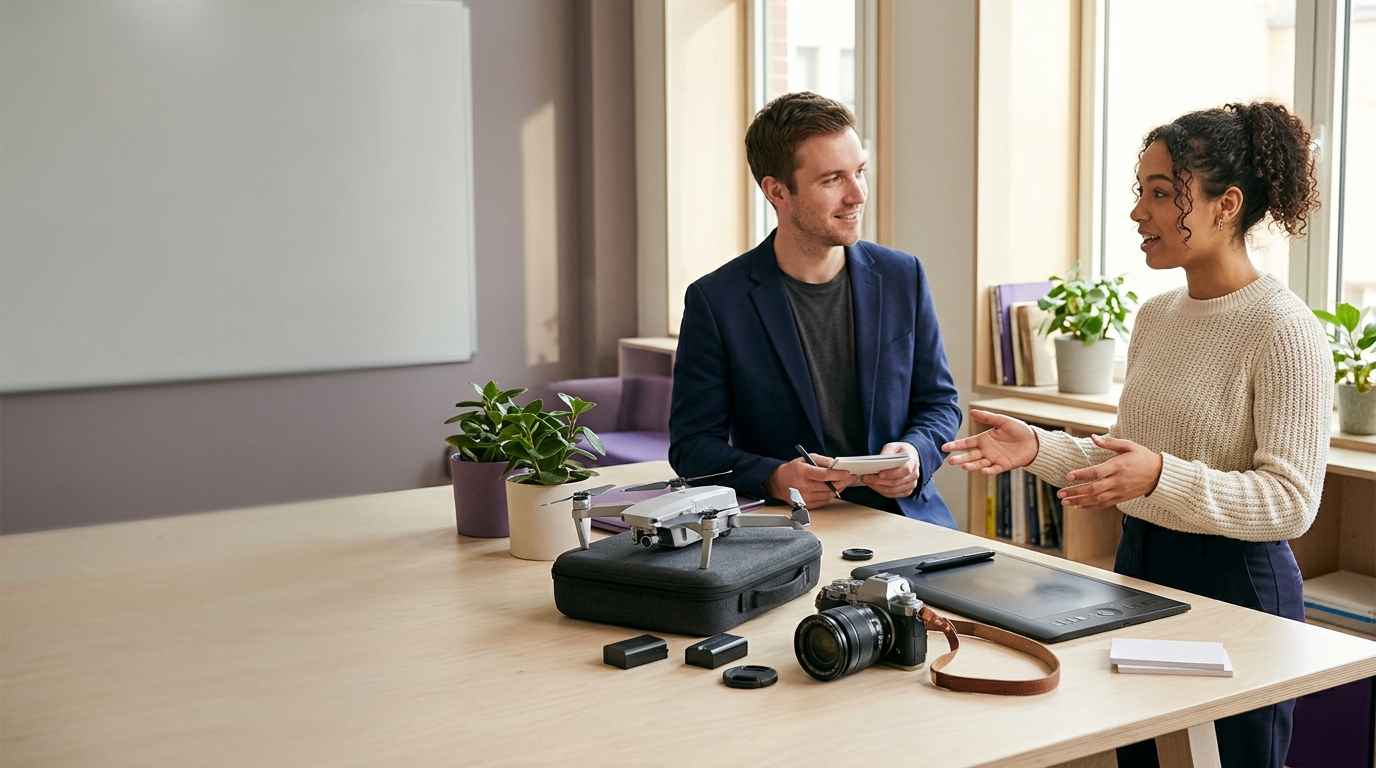
パート2のキューカード
Describe a piece of technology (not a phone) that you would like to own
次のように言うべきです。
- それは何ですか
- どれくらいの費用がかかりますか
- 何に使うのか
- そしてなぜそれを所有したいのか説明してください
このトピックについて話す時間は 1 ~ 2 分です。
完全なトランスクリプトを読む
I'd like to own a dedicated e-ink tablet for reading and note-taking. It's essentially a lightweight tablet with a paper-like e-ink display that doesn't emit the harsh light of regular screens, so it feels much gentler on the eyes when you read for long periods. I imagine one about eight or nine inches across with decent stylus support so I can write neatly. A mid-range model usually costs between £300 and £450 depending on storage, front light and pen features; it sounds steep at first, but you could compare that with the cost of dozens of paperbacks over a year, and it often pays off for serious readers. Also, some people buy a protective folio or case which adds another cost. I'd use it for reading novels, working through academic papers and annotating PDFs, and for sketching quick diagrams during meetings or when I travel. For example, I get research articles for work that are much easier to work with when I can highlight and add margin notes, and carrying one device would save me time at airports. I want it because it gives the feel of paper while keeping digital convenience — no heavy bags full of books, instant search, and long battery life. Above all, the distraction-free interface would help me concentrate, which makes it a practical compromise between analogue and fully digital devices.
準備状況: 予測されたトピックサイクル。この独立した練習用リソースは IELTS の公式論文ではないため、テストの問題は異なる場合があります。 トピックのラベル付け方法.
パート 3 のディスカッションの質問
一度に 1 つずつ質問を進めてください。聞いて、答え、比較し、再試行してください。完全な質問テキストは、アクセシビリティと検索のためにページの HTML に残ります。
- 01What are the differences between the technology of the past and that of today?
- 02What technology do young people like to use?
- 03What are the differences between online and face-to-face communication?
- 04Do you think technology has changed the way people communicate?
- 05What negative effects does technology have on people's relationships?
- 06What are the differences between making friends in real life and online?
話す前にトピックを確認する
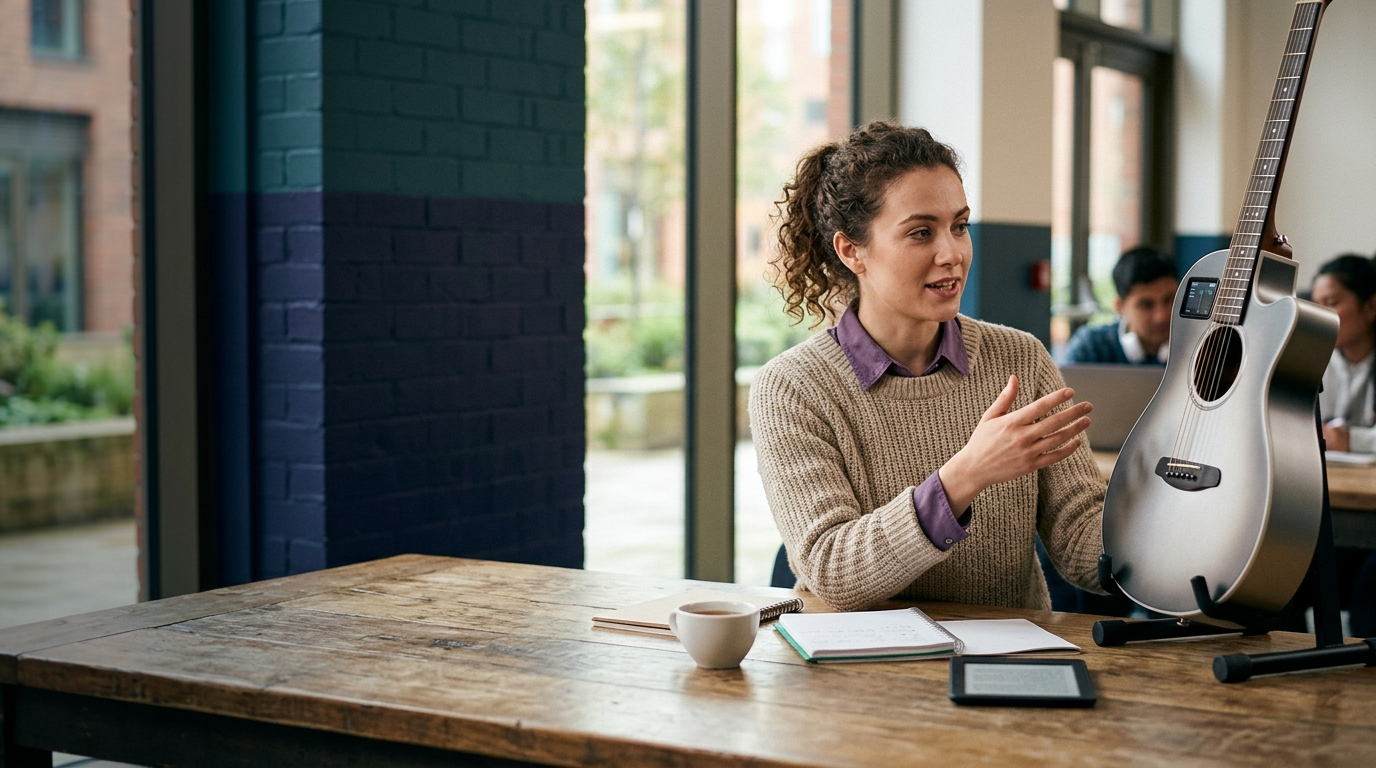
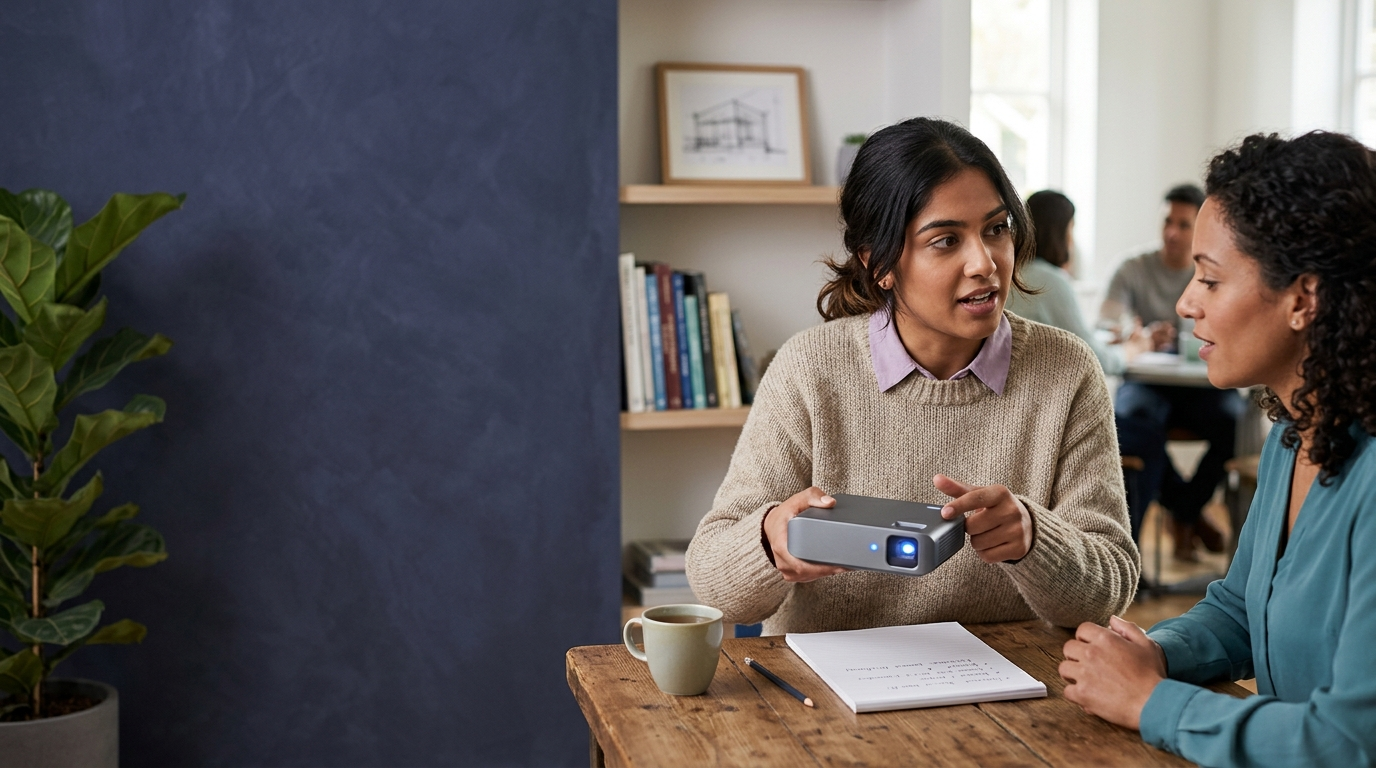
画像をアイデアのヒントとして使用します。気づいたことを説明し、それを自分の経験に結び付けてから、本当の質問に答えてください。
模範解答を並べて聞く
より単純な答えから始めて、Band を切り替えて、同じタスクをどのように開発できるかを聞き、それから個人的な応答を記録します。これらは指導例であり、正式な解答やスコアの保証ではありません。
パート 2 — 模範解答
Part 2 cue-card response
I would like to own an e-reader with an e-ink screen. It looks like a thin tablet but reads like a book, so it is easier on the eyes. I think a good size would be about eight inches so it is easy to hold.
It probably costs around £250 to £350 depending on the brand and whether it comes with a stylus. That is a bit expensive for me at the moment, but I could save up for it.
I would use it mainly for reading novels and study material, and for making short notes. I borrow a lot of books from the library and having them on one device would be handy. I could also highlight and save important parts.
I want it because I prefer reading on a page-like screen and I get tired using normal tablets. It would stop me from carrying heavy books and would help me study more comfortably.
I'd like to own a dedicated e-ink tablet for reading and note-taking. It's essentially a lightweight tablet with a paper-like e-ink display that doesn't emit the harsh light of regular screens, so it feels much gentler on the eyes when you read for long periods. I imagine one about eight or nine inches across with decent stylus support so I can write neatly.
A mid-range model usually costs between £300 and £450 depending on storage, front light and pen features; it sounds steep at first, but you could compare that with the cost of dozens of paperbacks over a year, and it often pays off for serious readers. Also, some people buy a protective folio or case which adds another cost.
I'd use it for reading novels, working through academic papers and annotating PDFs, and for sketching quick diagrams during meetings or when I travel. For example, I get research articles for work that are much easier to work with when I can highlight and add margin notes, and carrying one device would save me time at airports.
I want it because it gives the feel of paper while keeping digital convenience — no heavy bags full of books, instant search, and long battery life. Above all, the distraction-free interface would help me concentrate, which makes it a practical compromise between analogue and fully digital devices.
パート 3 — 模範解答
What are the differences between the technology of the past and that of today?
Technology in the past was mostly mechanical and simple. Devices were bigger and slower, and they did just one job, like a radio or a film camera. Today technology is much faster, smaller and often does many jobs in one device. Also people can connect to the internet and share information instantly.
The biggest differences are speed, miniaturisation and connectivity. Older technology tended to be mechanical or analogue and designed for a single purpose, whereas modern devices are digital, much faster and often multi-functional — think of how a single gadget can now play music, take photos and access maps. Equally important is cloud connectivity: data is stored and shared online now, which changes how we back up and access information. For example, a portable cassette player has given way to streaming services on tiny devices that fit in your pocket.
What technology do young people like to use?
Young people like to use social media, games and streaming apps. They also use video apps and messaging a lot to stay in touch with friends. Many young people like gadgets like laptops and smartwatches for convenience.
Young people gravitate towards platforms and devices that enable content creation, social interaction and quick entertainment — social apps, short-form video, online games and streaming are very popular. They're also into wearables and smart speakers that make life a bit easier, and many enjoy tools for making videos or podcasts because it's a way to express themselves. In short, they favour tech that is social, fast and creative.
What are the differences between online and face-to-face communication?
Online communication is fast and you can talk to people anywhere, but it may feel less personal. Face-to-face communication lets you see body language and tone, which helps understanding. Online messages can be misunderstood because you don't see expressions.
Online and face-to-face communication differ in immediacy, richness and cues. Face-to-face has non-verbal signals — eye contact, gesture and tone — which convey meaning and build trust, while online communication, especially text-based, can be asynchronous and lacks those subtleties. That said, video calls sit somewhere in between, offering visual cues but still a different dynamic to being in the same room. The permanence of online posts also changes how careful people are with what they say.
Do you think technology has changed the way people communicate?
Yes, technology has changed how people communicate. We can contact anyone quickly and keep in touch across long distances. But sometimes messages are shorter and less thoughtful. People also use lots of emojis and short messages.
Definitely — technology has reshaped both the means and the expectations of communication. Instant messaging and social media have increased the speed and frequency of contact, which has made people expect quicker replies and more constant availability. It has also introduced new norms — for example, reacting with an emoji instead of writing a full response — and enabled remote collaboration that wasn't possible before. While this connects people across distance, it also puts pressure on attention and can reduce the depth of some exchanges.
What negative effects does technology have on people's relationships?
Technology can harm relationships by taking attention away from people. If someone uses a phone during dinner it can feel rude. It can also cause jealousy or arguments if people see messages they dislike. Spending too much time online can make people lonely.
Technology can damage relationships in several ways: it shifts attention away from present company, encourages superficial interactions and can encourage comparison through curated online profiles. For instance, incessant scrolling at family meals undermines connection, while social media can create unrealistic expectations that breed jealousy. In more extreme cases, addictive use of apps reduces face-to-face time and impairs the development of empathy and listening skills.
What are the differences between making friends in real life and online?
Making friends in real life feels more trustworthy because you see people's behaviour and expressions. Online it is easier to start talking because you can message first, but it can be less real and there is a risk people are not honest. Real-life friends meet and spend time together which builds trust.
Real-life and online friendships often differ in pace, depth and trust. Offline friendships usually develop through shared activities and repeated face-to-face interaction, which builds tacit understanding and reliability. Online friendships can form quickly around shared interests and are convenient, but they sometimes lack the non-verbal cues that create deeper bonds and can include a degree of anonymity that makes trust harder. That said, many online connections do evolve into meaningful offline friendships when people meet up from hobby groups or events.
実践ステータス: 以前の質問バンク サイクルからアーカイブされたトピック。これはスキルの練習には役立ちますが、現在の試験問題または保証された試験問題としては提示されません。 トピックのラベル付け方法.
回答方法 IELTS スピーキングの質問について、所有したいテクノロジー (電話ではない) について説明してください。
「所有したいテクノロジー (電話ではない) について説明する」カードの場合は、準備時間を使用してトークのルートを構築します。明確な主題を選択し、2 つの具体的な瞬間または詳細を追加し、それが重要な理由で終わります。次に、リンクされたパート 3 の質問を使用して、より広範な説明と比較を練習します。
キューカードのプロンプト:
- それは何ですか
- どれくらいの費用がかかりますか
- 何に使うのか
- そしてなぜそれを所有したいのか説明してください
- オープニング: 人、場所、物体、または出来事を特定します。
- 開発: 2 つの詳細または瞬間を論理的な順序で説明します。
- 拡張: 理由、結果、比較、または問題を説明します。
- 振り返り: その主題がなぜ記憶に残るのか、または重要なのかを最後に述べます。
質問ごとのアプローチ
| 練習問題 | 役に立つ答えの動き |
|---|---|
| What are the differences between the technology of the past and that of today? | まず物に名前を付けてから、具体的な機能や例を説明します。 |
| What technology do young people like to use? | まず物に名前を付けてから、具体的な機能や例を説明します。 |
| What are the differences between online and face-to-face communication? | まず物に名前を付けてから、具体的な機能や例を説明します。 |
| Do you think technology has changed the way people communicate? | 考えられる見解を述べ、その理由を説明し、条件または例を 1 つ追加します。 |
語彙に焦点を当てる
模範解答で既に示されている有用な文言には次のようなものがあります。 miniaturisation, cloud, multi-functional, content creation, short-form video, wearable, non-verbal cues, asynchronous。それぞれの意味と自然な単語の連携を学び、完全な台本をコピーするのではなく、新しい回答でその項目を使用します。
避けるべきよくある間違い
- 質問に対して部分的にしか答えていない、暗記した回答をする。
- 意味やコロケーションを確認せずに、難しい語彙を追加する。
- エラーが発生するたびに、簡単に修正して続行するのではなく、再起動します。
- 自分の最初の解答を記録する前に、模範解答を読んでください。
所有したいテクノロジー (電話ではない) について説明してください。
「所有したいテクノロジー (電話ではない) について説明する」というキュー カードの準備議事録をどのように使用すればよいですか?
冒頭、2 つまたは 3 つの詳細、最後の感想のキーワードを書きます。完全な文章を書こうとしないでください。
キューカードのすべての箇条書きをカバーする必要がありますか?
プロンプトはトークを整理するのに役立ちます。それらをカバーすることは有益ですが、機械的に各行をチェックするよりも、1 ~ 2 分間の一貫した応答の方が重要です。
パート 3 の質問はパート 2 にどのように関連していますか?
これらは、理由、比較、社会的影響、将来の可能性を通じて同じ広範なテーマを展開するため、通常、回答にはパート 1 よりも詳しい説明が必要です。
