
IELTS Speaking, часть 2 и 3: Describe a piece of technology (not a phone) that you would like to own
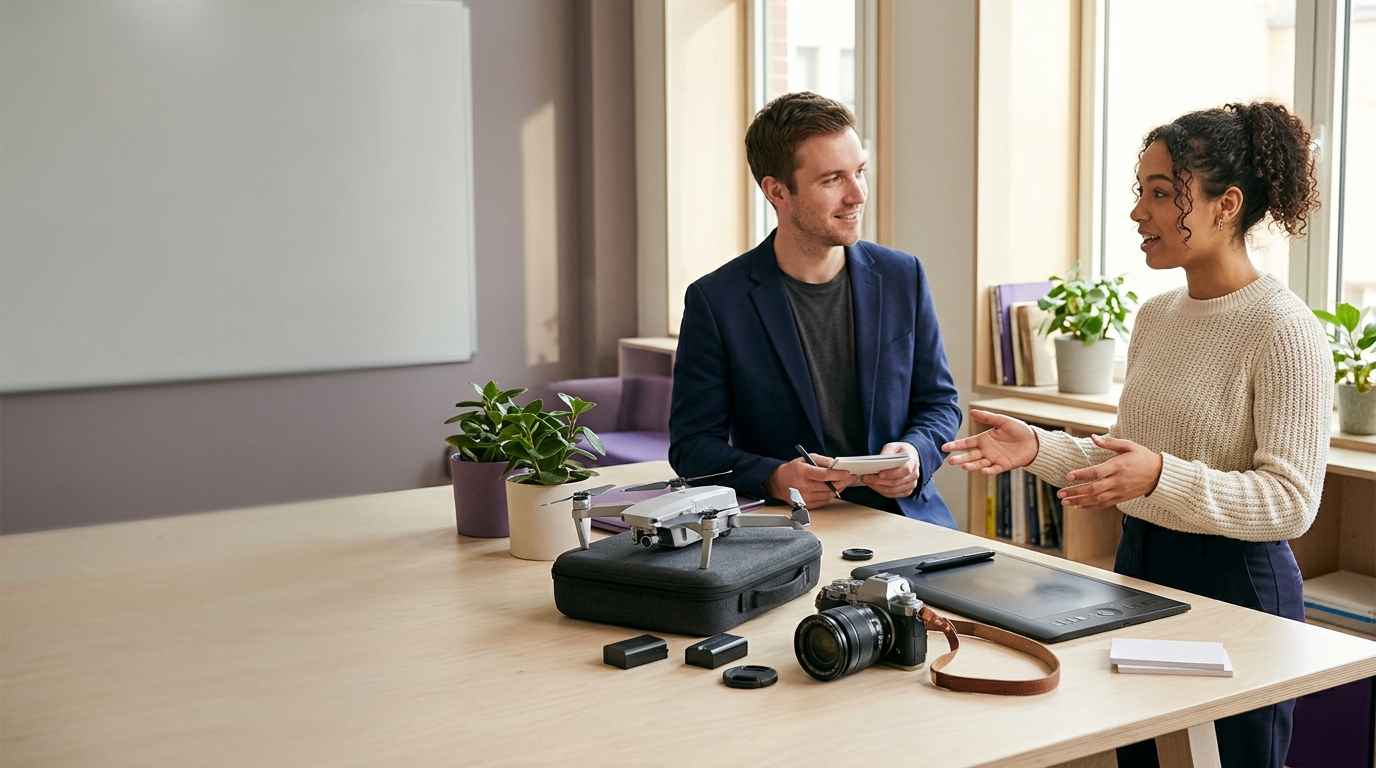
Карточка-подсказка части 2
Describe a piece of technology (not a phone) that you would like to own
Вы должны сказать:
- Что это такое
- Сколько это стоит
- Для чего вы будете его использовать
- И объясните, почему вы хотели бы владеть им.
У вас будет одна-две минуты, чтобы поговорить на эту тему.
Читать полную расшифровку
I'd like to own a dedicated e-ink tablet for reading and note-taking. It's essentially a lightweight tablet with a paper-like e-ink display that doesn't emit the harsh light of regular screens, so it feels much gentler on the eyes when you read for long periods. I imagine one about eight or nine inches across with decent stylus support so I can write neatly. A mid-range model usually costs between £300 and £450 depending on storage, front light and pen features; it sounds steep at first, but you could compare that with the cost of dozens of paperbacks over a year, and it often pays off for serious readers. Also, some people buy a protective folio or case which adds another cost. I'd use it for reading novels, working through academic papers and annotating PDFs, and for sketching quick diagrams during meetings or when I travel. For example, I get research articles for work that are much easier to work with when I can highlight and add margin notes, and carrying one device would save me time at airports. I want it because it gives the feel of paper while keeping digital convenience — no heavy bags full of books, instant search, and long battery life. Above all, the distraction-free interface would help me concentrate, which makes it a practical compromise between analogue and fully digital devices.
Статус подготовки: Прогнозируемый тематический цикл. Этот независимый практический ресурс не является официальным документом IELTS, и вопросы в вашем тесте могут быть разными. Как помечаются темы.
Вопросы для обсуждения части 3
Двигайтесь по одному вопросу за раз: слушайте, отвечайте, сравнивайте и повторяйте. Полный текст вопроса остается в HTML-коде страницы для обеспечения доступности и поиска.
- 01What are the differences between the technology of the past and that of today?
- 02What technology do young people like to use?
- 03What are the differences between online and face-to-face communication?
- 04Do you think technology has changed the way people communicate?
- 05What negative effects does technology have on people's relationships?
- 06What are the differences between making friends in real life and online?
Прежде чем говорить, просмотрите тему
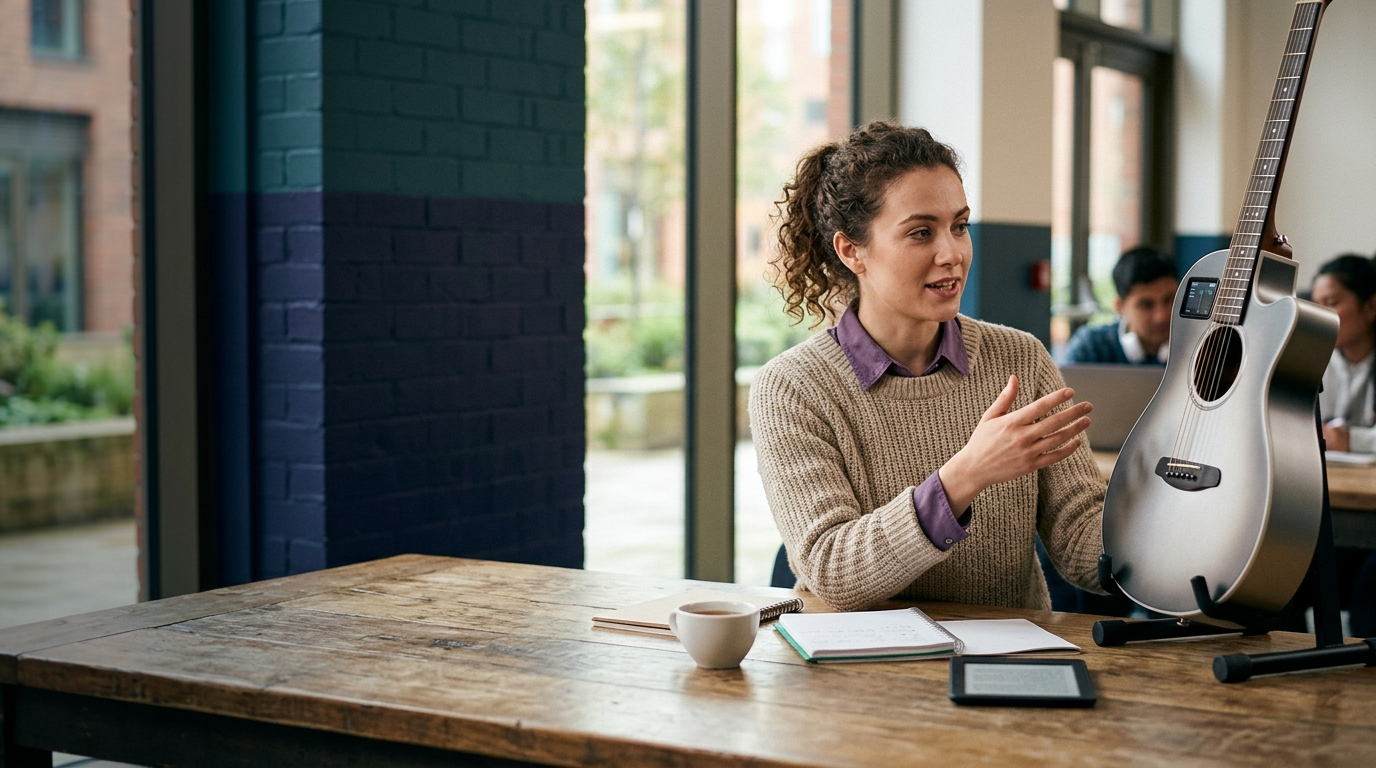
Используйте изображения в качестве подсказок идей. Опишите то, что вы заметили, свяжите это со своим опытом, а затем ответьте на реальный вопрос.

Типовые ответы, услышанные параллельно
Начните с более простого ответа, переключитесь на Band, чтобы услышать, как можно разработать ту же задачу, а затем запишите личный ответ. Это обучающие примеры, а не официальные ответы или гарантии баллов.
Часть 2. Типовой ответ
Part 2 cue-card response
I would like to own an e-reader with an e-ink screen. It looks like a thin tablet but reads like a book, so it is easier on the eyes. I think a good size would be about eight inches so it is easy to hold.
It probably costs around £250 to £350 depending on the brand and whether it comes with a stylus. That is a bit expensive for me at the moment, but I could save up for it.
I would use it mainly for reading novels and study material, and for making short notes. I borrow a lot of books from the library and having them on one device would be handy. I could also highlight and save important parts.
I want it because I prefer reading on a page-like screen and I get tired using normal tablets. It would stop me from carrying heavy books and would help me study more comfortably.
I'd like to own a dedicated e-ink tablet for reading and note-taking. It's essentially a lightweight tablet with a paper-like e-ink display that doesn't emit the harsh light of regular screens, so it feels much gentler on the eyes when you read for long periods. I imagine one about eight or nine inches across with decent stylus support so I can write neatly.
A mid-range model usually costs between £300 and £450 depending on storage, front light and pen features; it sounds steep at first, but you could compare that with the cost of dozens of paperbacks over a year, and it often pays off for serious readers. Also, some people buy a protective folio or case which adds another cost.
I'd use it for reading novels, working through academic papers and annotating PDFs, and for sketching quick diagrams during meetings or when I travel. For example, I get research articles for work that are much easier to work with when I can highlight and add margin notes, and carrying one device would save me time at airports.
I want it because it gives the feel of paper while keeping digital convenience — no heavy bags full of books, instant search, and long battery life. Above all, the distraction-free interface would help me concentrate, which makes it a practical compromise between analogue and fully digital devices.
Часть 3. Типовые ответы
What are the differences between the technology of the past and that of today?
Technology in the past was mostly mechanical and simple. Devices were bigger and slower, and they did just one job, like a radio or a film camera. Today technology is much faster, smaller and often does many jobs in one device. Also people can connect to the internet and share information instantly.
The biggest differences are speed, miniaturisation and connectivity. Older technology tended to be mechanical or analogue and designed for a single purpose, whereas modern devices are digital, much faster and often multi-functional — think of how a single gadget can now play music, take photos and access maps. Equally important is cloud connectivity: data is stored and shared online now, which changes how we back up and access information. For example, a portable cassette player has given way to streaming services on tiny devices that fit in your pocket.
What technology do young people like to use?
Young people like to use social media, games and streaming apps. They also use video apps and messaging a lot to stay in touch with friends. Many young people like gadgets like laptops and smartwatches for convenience.
Young people gravitate towards platforms and devices that enable content creation, social interaction and quick entertainment — social apps, short-form video, online games and streaming are very popular. They're also into wearables and smart speakers that make life a bit easier, and many enjoy tools for making videos or podcasts because it's a way to express themselves. In short, they favour tech that is social, fast and creative.
What are the differences between online and face-to-face communication?
Online communication is fast and you can talk to people anywhere, but it may feel less personal. Face-to-face communication lets you see body language and tone, which helps understanding. Online messages can be misunderstood because you don't see expressions.
Online and face-to-face communication differ in immediacy, richness and cues. Face-to-face has non-verbal signals — eye contact, gesture and tone — which convey meaning and build trust, while online communication, especially text-based, can be asynchronous and lacks those subtleties. That said, video calls sit somewhere in between, offering visual cues but still a different dynamic to being in the same room. The permanence of online posts also changes how careful people are with what they say.
Do you think technology has changed the way people communicate?
Yes, technology has changed how people communicate. We can contact anyone quickly and keep in touch across long distances. But sometimes messages are shorter and less thoughtful. People also use lots of emojis and short messages.
Definitely — technology has reshaped both the means and the expectations of communication. Instant messaging and social media have increased the speed and frequency of contact, which has made people expect quicker replies and more constant availability. It has also introduced new norms — for example, reacting with an emoji instead of writing a full response — and enabled remote collaboration that wasn't possible before. While this connects people across distance, it also puts pressure on attention and can reduce the depth of some exchanges.
What negative effects does technology have on people's relationships?
Technology can harm relationships by taking attention away from people. If someone uses a phone during dinner it can feel rude. It can also cause jealousy or arguments if people see messages they dislike. Spending too much time online can make people lonely.
Technology can damage relationships in several ways: it shifts attention away from present company, encourages superficial interactions and can encourage comparison through curated online profiles. For instance, incessant scrolling at family meals undermines connection, while social media can create unrealistic expectations that breed jealousy. In more extreme cases, addictive use of apps reduces face-to-face time and impairs the development of empathy and listening skills.
What are the differences between making friends in real life and online?
Making friends in real life feels more trustworthy because you see people's behaviour and expressions. Online it is easier to start talking because you can message first, but it can be less real and there is a risk people are not honest. Real-life friends meet and spend time together which builds trust.
Real-life and online friendships often differ in pace, depth and trust. Offline friendships usually develop through shared activities and repeated face-to-face interaction, which builds tacit understanding and reliability. Online friendships can form quickly around shared interests and are convenient, but they sometimes lack the non-verbal cues that create deeper bonds and can include a degree of anonymity that makes trust harder. That said, many online connections do evolve into meaningful offline friendships when people meet up from hobby groups or events.
Статус практики: Архивированная тема из предыдущего цикла банка вопросов. Он по-прежнему полезен для практики навыков, но не представлен в качестве текущего или гарантированного вопроса экзамена. Как помечаются темы.
Как ответить Опишите технологию (не телефон), которой вы хотели бы обладать Вопросы IELTS Speaking.
Для карточки-подсказки «Опишите технологию (не телефон), которой вы хотели бы обладать», используйте минуту подготовки, чтобы построить маршрут разговора. Выберите четкую тему, добавьте два конкретных момента или детали и закончите рассказом, почему это важно. Затем используйте связанные вопросы Части 3, чтобы попрактиковаться в более широком объяснении и сравнении.
Подсказки на карточке:
- Что это такое
- Сколько это стоит
- Для чего вы будете его использовать
- И объясните, почему вы хотели бы владеть им.
- Открытие: идентифицируйте человека, место, предмет или событие.
- Развитие: опишите две детали или моменты в логическом порядке.
- Расширение: объясните причину, результат, сравнение или проблему.
- Для размышления: закончите рассказом о том, почему тема запомнилась или важна.
Повопросный подход
| Практический вопрос | Полезный ответный ход |
|---|---|
| What are the differences between the technology of the past and that of today? | Сначала назовите вещь, затем опишите конкретную особенность или пример. |
| What technology do young people like to use? | Сначала назовите вещь, затем опишите конкретную особенность или пример. |
| What are the differences between online and face-to-face communication? | Сначала назовите вещь, затем опишите конкретную особенность или пример. |
| Do you think technology has changed the way people communicate? | Выскажите вероятную точку зрения, объясните причину и добавьте одно условие или пример. |
Словарный фокус
Полезные формулировки, уже продемонстрированные в примерных ответах, включают: miniaturisation, cloud, multi-functional, content creation, short-form video, wearable, non-verbal cues, asynchronous. Изучите каждое значение и естественное сочетание слов, а затем используйте этот элемент в новом ответе вместо того, чтобы копировать полный сценарий.
Распространенные ошибки, которых следует избегать
- Дает заученный ответ, который лишь частично отвечает на вопрос.
- Добавление сложной лексики без проверки значения или словосочетания.
- Перезапуск после каждой ошибки вместо кратковременного исправления и продолжения.
- Чтение ответа модели перед записью своей первой попытки.
Опишите технологию (не телефон), которой вы хотели бы владеть. Часто задаваемые вопросы.
Как мне следует использовать минуту подготовки карты-подсказки «Опишите устройство (не телефон), которым вы хотели бы владеть?»
Напишите ключевые слова для начала, двух-трех деталей и финального размышления. Не пытайтесь писать полные предложения.
Должен ли я покрывать каждый пункт подсказки?
Подсказки помогут вам организовать беседу. Рассказывать о них полезно, но последовательный ответ в течение одной-двух минут важнее, чем механическая отметка каждой строки.
Как вопросы Части 3 связаны с Частью 2?
Они развивают одну и ту же широкую тему посредством причин, сравнений, социальных последствий или будущих возможностей, поэтому ответы обычно требуют большего объяснения, чем Часть 1.
