
雅思口语 Part 2 与 Part 3:Describe a piece of technology (not a phone) that you would like to own
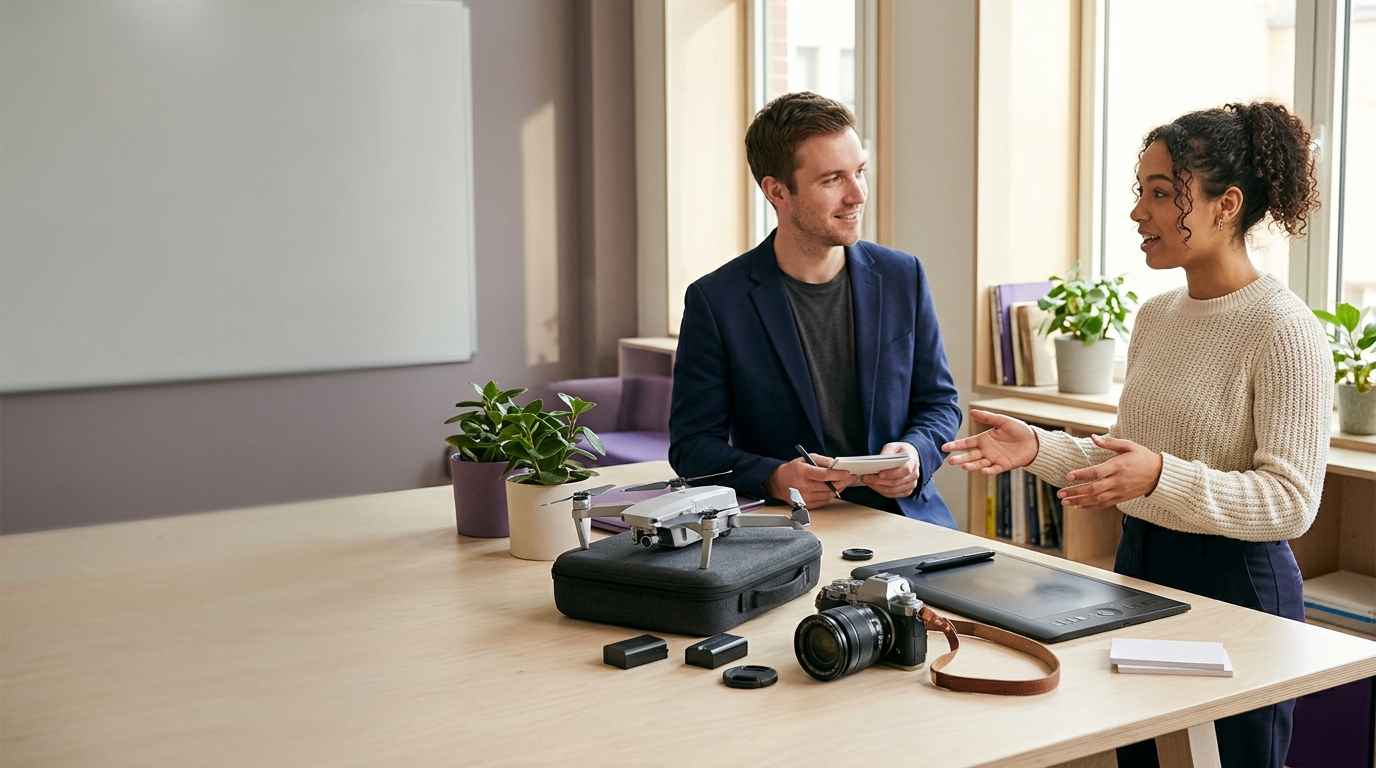
Part 2 话题卡
Describe a piece of technology (not a phone) that you would like to own
你需要谈到:
- 它是什么
- 费用是多少
- 你将用它做什么
- 并解释为什么你想拥有它
你需要围绕这个话题作答一到两分钟。
阅读完整的文字记录
I'd like to own a dedicated e-ink tablet for reading and note-taking. It's essentially a lightweight tablet with a paper-like e-ink display that doesn't emit the harsh light of regular screens, so it feels much gentler on the eyes when you read for long periods. I imagine one about eight or nine inches across with decent stylus support so I can write neatly. A mid-range model usually costs between £300 and £450 depending on storage, front light and pen features; it sounds steep at first, but you could compare that with the cost of dozens of paperbacks over a year, and it often pays off for serious readers. Also, some people buy a protective folio or case which adds another cost. I'd use it for reading novels, working through academic papers and annotating PDFs, and for sketching quick diagrams during meetings or when I travel. For example, I get research articles for work that are much easier to work with when I can highlight and add margin notes, and carrying one device would save me time at airports. I want it because it gives the feel of paper while keeping digital convenience — no heavy bags full of books, instant search, and long battery life. Above all, the distraction-free interface would help me concentrate, which makes it a practical compromise between analogue and fully digital devices.
备考状态:预测题季。本页面为独立备考资源,并非 IELTS 官方试卷;实际考试题目可能不同。 话题标签说明.
Part 3 讨论题
每次练习一道题:听题、作答、对照并重试。为便于无障碍访问和搜索,页面 HTML 中会保留完整英文题目。
- 01What are the differences between the technology of the past and that of today?
- 02What technology do young people like to use?
- 03What are the differences between online and face-to-face communication?
- 04Do you think technology has changed the way people communicate?
- 05What negative effects does technology have on people's relationships?
- 06What are the differences between making friends in real life and online?
开口前先熟悉话题
使用图像作为想法提示。描述您注意到的内容,将其与您的经历联系起来,然后回答真正的问题。
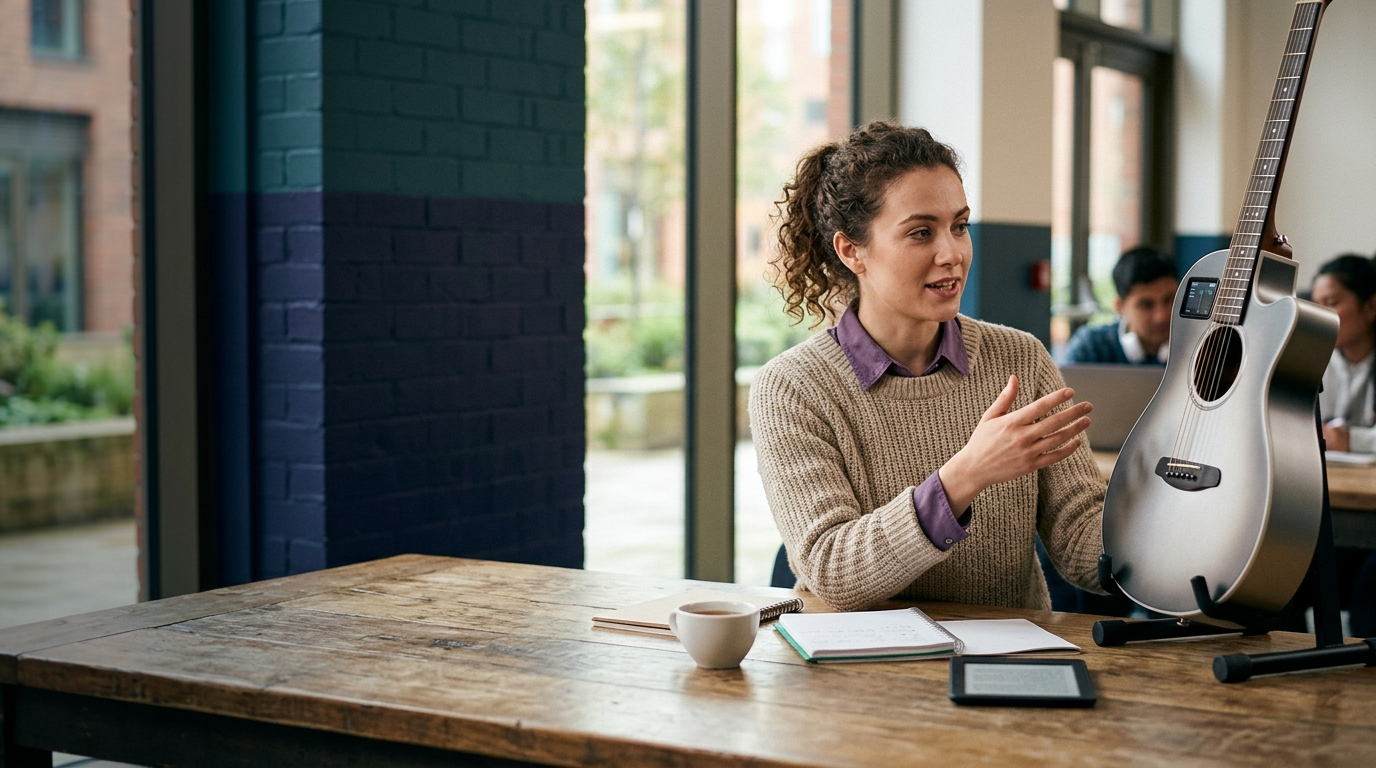

对照聆听参考答案
先听较简单的答案,再切换 Band 对照同一道题如何展开,最后录制你自己的回答。这些内容仅为教学示例,不是官方答案,也不保证对应分数。
Part 2 — 参考答案
Part 2 cue-card response
I would like to own an e-reader with an e-ink screen. It looks like a thin tablet but reads like a book, so it is easier on the eyes. I think a good size would be about eight inches so it is easy to hold.
It probably costs around £250 to £350 depending on the brand and whether it comes with a stylus. That is a bit expensive for me at the moment, but I could save up for it.
I would use it mainly for reading novels and study material, and for making short notes. I borrow a lot of books from the library and having them on one device would be handy. I could also highlight and save important parts.
I want it because I prefer reading on a page-like screen and I get tired using normal tablets. It would stop me from carrying heavy books and would help me study more comfortably.
I'd like to own a dedicated e-ink tablet for reading and note-taking. It's essentially a lightweight tablet with a paper-like e-ink display that doesn't emit the harsh light of regular screens, so it feels much gentler on the eyes when you read for long periods. I imagine one about eight or nine inches across with decent stylus support so I can write neatly.
A mid-range model usually costs between £300 and £450 depending on storage, front light and pen features; it sounds steep at first, but you could compare that with the cost of dozens of paperbacks over a year, and it often pays off for serious readers. Also, some people buy a protective folio or case which adds another cost.
I'd use it for reading novels, working through academic papers and annotating PDFs, and for sketching quick diagrams during meetings or when I travel. For example, I get research articles for work that are much easier to work with when I can highlight and add margin notes, and carrying one device would save me time at airports.
I want it because it gives the feel of paper while keeping digital convenience — no heavy bags full of books, instant search, and long battery life. Above all, the distraction-free interface would help me concentrate, which makes it a practical compromise between analogue and fully digital devices.
Part 3 — 参考答案
What are the differences between the technology of the past and that of today?
Technology in the past was mostly mechanical and simple. Devices were bigger and slower, and they did just one job, like a radio or a film camera. Today technology is much faster, smaller and often does many jobs in one device. Also people can connect to the internet and share information instantly.
The biggest differences are speed, miniaturisation and connectivity. Older technology tended to be mechanical or analogue and designed for a single purpose, whereas modern devices are digital, much faster and often multi-functional — think of how a single gadget can now play music, take photos and access maps. Equally important is cloud connectivity: data is stored and shared online now, which changes how we back up and access information. For example, a portable cassette player has given way to streaming services on tiny devices that fit in your pocket.
What technology do young people like to use?
Young people like to use social media, games and streaming apps. They also use video apps and messaging a lot to stay in touch with friends. Many young people like gadgets like laptops and smartwatches for convenience.
Young people gravitate towards platforms and devices that enable content creation, social interaction and quick entertainment — social apps, short-form video, online games and streaming are very popular. They're also into wearables and smart speakers that make life a bit easier, and many enjoy tools for making videos or podcasts because it's a way to express themselves. In short, they favour tech that is social, fast and creative.
What are the differences between online and face-to-face communication?
Online communication is fast and you can talk to people anywhere, but it may feel less personal. Face-to-face communication lets you see body language and tone, which helps understanding. Online messages can be misunderstood because you don't see expressions.
Online and face-to-face communication differ in immediacy, richness and cues. Face-to-face has non-verbal signals — eye contact, gesture and tone — which convey meaning and build trust, while online communication, especially text-based, can be asynchronous and lacks those subtleties. That said, video calls sit somewhere in between, offering visual cues but still a different dynamic to being in the same room. The permanence of online posts also changes how careful people are with what they say.
Do you think technology has changed the way people communicate?
Yes, technology has changed how people communicate. We can contact anyone quickly and keep in touch across long distances. But sometimes messages are shorter and less thoughtful. People also use lots of emojis and short messages.
Definitely — technology has reshaped both the means and the expectations of communication. Instant messaging and social media have increased the speed and frequency of contact, which has made people expect quicker replies and more constant availability. It has also introduced new norms — for example, reacting with an emoji instead of writing a full response — and enabled remote collaboration that wasn't possible before. While this connects people across distance, it also puts pressure on attention and can reduce the depth of some exchanges.
What negative effects does technology have on people's relationships?
Technology can harm relationships by taking attention away from people. If someone uses a phone during dinner it can feel rude. It can also cause jealousy or arguments if people see messages they dislike. Spending too much time online can make people lonely.
Technology can damage relationships in several ways: it shifts attention away from present company, encourages superficial interactions and can encourage comparison through curated online profiles. For instance, incessant scrolling at family meals undermines connection, while social media can create unrealistic expectations that breed jealousy. In more extreme cases, addictive use of apps reduces face-to-face time and impairs the development of empathy and listening skills.
What are the differences between making friends in real life and online?
Making friends in real life feels more trustworthy because you see people's behaviour and expressions. Online it is easier to start talking because you can message first, but it can be less real and there is a risk people are not honest. Real-life friends meet and spend time together which builds trust.
Real-life and online friendships often differ in pace, depth and trust. Offline friendships usually develop through shared activities and repeated face-to-face interaction, which builds tacit understanding and reliability. Online friendships can form quickly around shared interests and are convenient, but they sometimes lack the non-verbal cues that create deeper bonds and can include a degree of anonymity that makes trust harder. That said, many online connections do evolve into meaningful offline friendships when people meet up from hobby groups or events.
练习状态:上一个题库周期的存档主题。它对于技能练习仍然有用,但不会作为当前或保证的考试问题出现。 话题标签说明.
如何回答 描述您想要拥有的一项技术(不是手机) 雅思口语问题
对于“描述您想要拥有的一项技术(不是手机)”提示卡,请利用准备时间来构建通过演讲的路线。选择一个明确的主题,添加两个特定的时刻或细节,最后说明为什么它很重要。然后使用链接的第 3 部分问题来练习更广泛的解释和比较。
提示卡提示:
- 它是什么
- 费用是多少
- 你将用它做什么
- 并解释为什么你想拥有它
- 开头:指出人物、地点、物体或事件。
- 发展:按逻辑顺序描述两个细节或时刻。
- 扩展:解释原因、结果、比较或问题。
- 反思:以为什么该主题令人难忘或重要来结束。
逐题练习方法
| 练习题 | 实用作答方法 |
|---|---|
| What are the differences between the technology of the past and that of today? | 首先命名事物,然后描述特定的功能或示例。 |
| What technology do young people like to use? | 首先命名事物,然后描述特定的功能或示例。 |
| What are the differences between online and face-to-face communication? | 首先命名事物,然后描述特定的功能或示例。 |
| Do you think technology has changed the way people communicate? | 陈述一种可能的观点,解释原因并添加一个条件或示例。 |
重点词汇
模型答案中已经展示的有用语言包括 miniaturisation, cloud, multi-functional, content creation, short-form video, wearable, non-verbal cues, asynchronous。学习每个含义和自然的单词伙伴关系,然后在新的答案中使用该项目,而不是复制完整的脚本。
需要避免的常见问题
- 给出的记忆答案只能部分回答问题。
- 添加困难的词汇而不检查含义或搭配。
- 每次错误后重新启动,而不是短暂纠正并继续。
- 在记录您自己的第一次尝试之前,请先阅读标准答案。
描述您想要练习的一项技术(不是手机)
我应该如何使用“描述您想要拥有的一项技术(不是手机)”提示卡准备分钟?
为开头、两三个细节和最后的反思写下关键词。不要试图写出完整的句子。
我必须覆盖所有提示卡项目符号吗?
提示可以帮助您组织演讲。涵盖它们是有用的,但是一到两分钟的连贯响应比机械地勾选每一行更重要。
第 3 部分的问题与第 2 部分有何关联?
他们通过原因、比较、社会影响或未来的可能性发展出相同的广泛主题,因此答案通常需要比第 1 部分更多的解释。
