
IELTS 말하기 파트 2 & 3: Describe a piece of technology (not a phone) that you would like to own
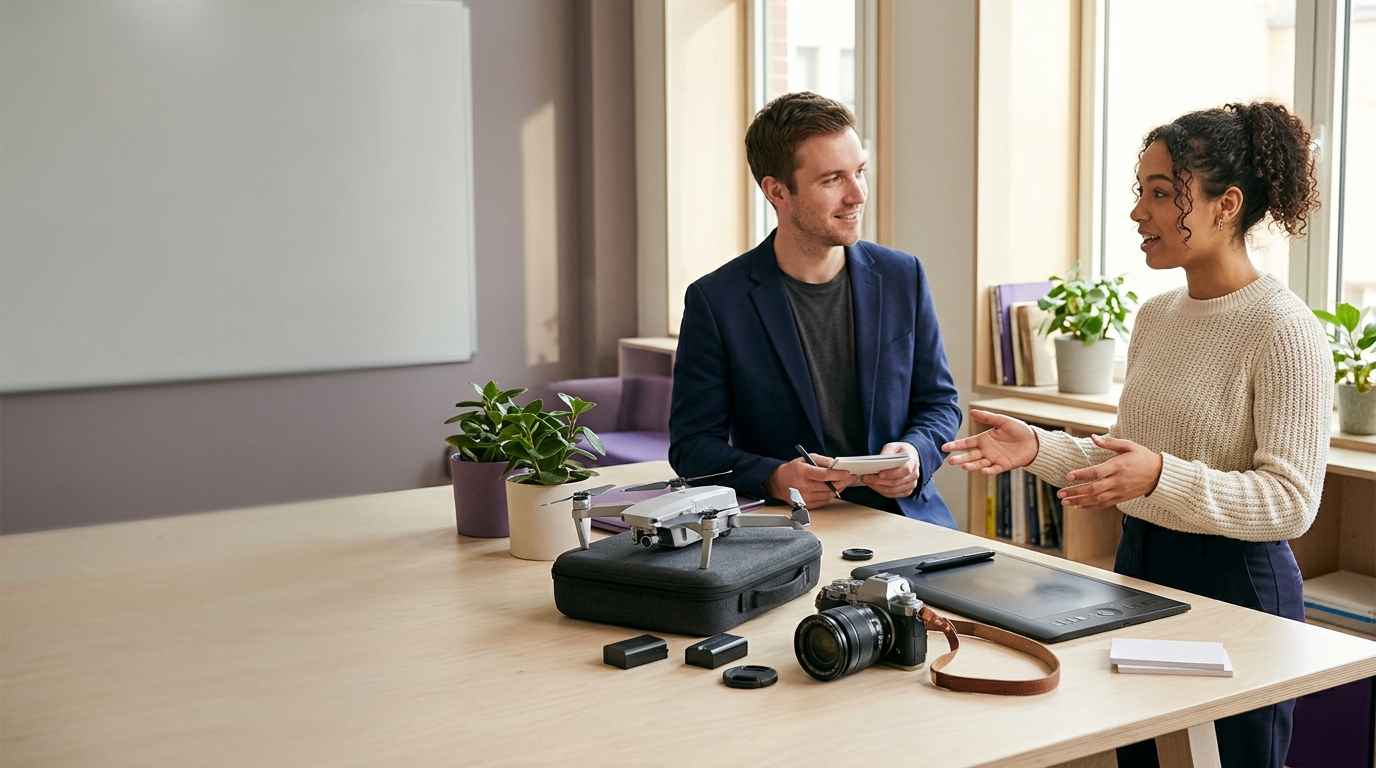
파트 2 큐 카드
Describe a piece of technology (not a phone) that you would like to own
당신은 이렇게 말해야 합니다:
- 그것은 무엇입니까
- 비용은 얼마입니까?
- 무엇을 위해 사용할 것인가
- 그리고 왜 그것을 소유하고 싶은지 설명하십시오
이 주제에 대해 1~2분 정도 이야기할 시간이 있습니다.
전체 내용 읽기
I'd like to own a dedicated e-ink tablet for reading and note-taking. It's essentially a lightweight tablet with a paper-like e-ink display that doesn't emit the harsh light of regular screens, so it feels much gentler on the eyes when you read for long periods. I imagine one about eight or nine inches across with decent stylus support so I can write neatly. A mid-range model usually costs between £300 and £450 depending on storage, front light and pen features; it sounds steep at first, but you could compare that with the cost of dozens of paperbacks over a year, and it often pays off for serious readers. Also, some people buy a protective folio or case which adds another cost. I'd use it for reading novels, working through academic papers and annotating PDFs, and for sketching quick diagrams during meetings or when I travel. For example, I get research articles for work that are much easier to work with when I can highlight and add margin notes, and carrying one device would save me time at airports. I want it because it gives the feel of paper while keeping digital convenience — no heavy bags full of books, instant search, and long battery life. Above all, the distraction-free interface would help me concentrate, which makes it a practical compromise between analogue and fully digital devices.
준비상태: 예상 주제주기. 이 독립적인 연습 리소스는 공식 IELTS 시험이 아니며 시험 문제가 다를 수 있습니다. 주제에 라벨을 지정하는 방법.
파트 3 토론 질문
한 번에 하나의 질문을 이동하세요. 듣고, 대답하고, 비교하고, 다시 시도하세요. 전체 질문 텍스트는 접근성 및 검색을 위해 페이지 HTML에 남아 있습니다.
- 01What are the differences between the technology of the past and that of today?
- 02What technology do young people like to use?
- 03What are the differences between online and face-to-face communication?
- 04Do you think technology has changed the way people communicate?
- 05What negative effects does technology have on people's relationships?
- 06What are the differences between making friends in real life and online?
말하기 전에 주제를 살펴보세요
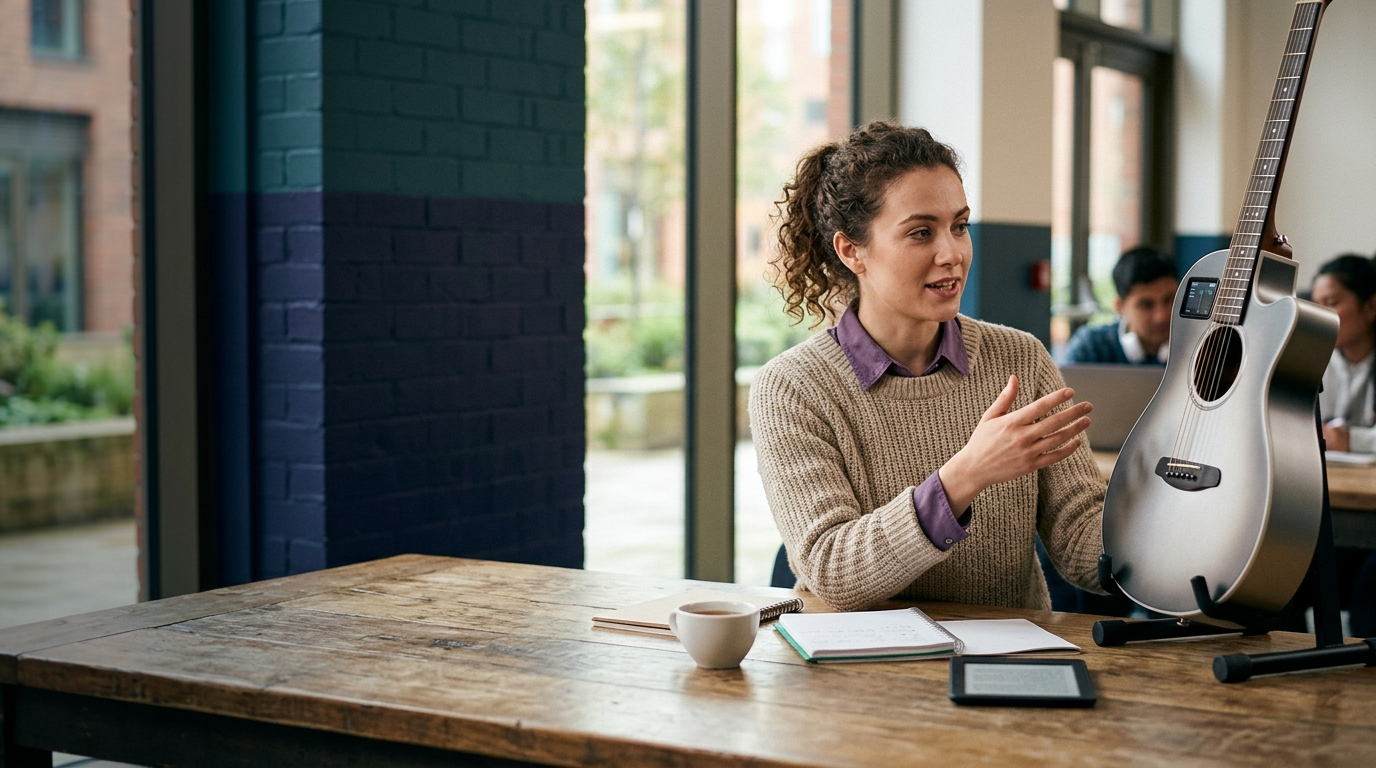
이미지를 아이디어 프롬프트로 사용하세요. 발견한 사항을 설명하고 이를 경험과 연결한 다음 실제 질문에 답하세요.

모델 답변을 나란히 들음
더 간단한 답변부터 시작하여 Band를 전환하여 동일한 작업이 어떻게 개발될 수 있는지 듣고 개인 응답을 녹음하세요. 이것은 공식적인 답변이나 점수 보장이 아닌 교육용 예시입니다.
2부 — 모델 답변
Part 2 cue-card response
I would like to own an e-reader with an e-ink screen. It looks like a thin tablet but reads like a book, so it is easier on the eyes. I think a good size would be about eight inches so it is easy to hold.
It probably costs around £250 to £350 depending on the brand and whether it comes with a stylus. That is a bit expensive for me at the moment, but I could save up for it.
I would use it mainly for reading novels and study material, and for making short notes. I borrow a lot of books from the library and having them on one device would be handy. I could also highlight and save important parts.
I want it because I prefer reading on a page-like screen and I get tired using normal tablets. It would stop me from carrying heavy books and would help me study more comfortably.
I'd like to own a dedicated e-ink tablet for reading and note-taking. It's essentially a lightweight tablet with a paper-like e-ink display that doesn't emit the harsh light of regular screens, so it feels much gentler on the eyes when you read for long periods. I imagine one about eight or nine inches across with decent stylus support so I can write neatly.
A mid-range model usually costs between £300 and £450 depending on storage, front light and pen features; it sounds steep at first, but you could compare that with the cost of dozens of paperbacks over a year, and it often pays off for serious readers. Also, some people buy a protective folio or case which adds another cost.
I'd use it for reading novels, working through academic papers and annotating PDFs, and for sketching quick diagrams during meetings or when I travel. For example, I get research articles for work that are much easier to work with when I can highlight and add margin notes, and carrying one device would save me time at airports.
I want it because it gives the feel of paper while keeping digital convenience — no heavy bags full of books, instant search, and long battery life. Above all, the distraction-free interface would help me concentrate, which makes it a practical compromise between analogue and fully digital devices.
3부 - 모델 답변
What are the differences between the technology of the past and that of today?
Technology in the past was mostly mechanical and simple. Devices were bigger and slower, and they did just one job, like a radio or a film camera. Today technology is much faster, smaller and often does many jobs in one device. Also people can connect to the internet and share information instantly.
The biggest differences are speed, miniaturisation and connectivity. Older technology tended to be mechanical or analogue and designed for a single purpose, whereas modern devices are digital, much faster and often multi-functional — think of how a single gadget can now play music, take photos and access maps. Equally important is cloud connectivity: data is stored and shared online now, which changes how we back up and access information. For example, a portable cassette player has given way to streaming services on tiny devices that fit in your pocket.
What technology do young people like to use?
Young people like to use social media, games and streaming apps. They also use video apps and messaging a lot to stay in touch with friends. Many young people like gadgets like laptops and smartwatches for convenience.
Young people gravitate towards platforms and devices that enable content creation, social interaction and quick entertainment — social apps, short-form video, online games and streaming are very popular. They're also into wearables and smart speakers that make life a bit easier, and many enjoy tools for making videos or podcasts because it's a way to express themselves. In short, they favour tech that is social, fast and creative.
What are the differences between online and face-to-face communication?
Online communication is fast and you can talk to people anywhere, but it may feel less personal. Face-to-face communication lets you see body language and tone, which helps understanding. Online messages can be misunderstood because you don't see expressions.
Online and face-to-face communication differ in immediacy, richness and cues. Face-to-face has non-verbal signals — eye contact, gesture and tone — which convey meaning and build trust, while online communication, especially text-based, can be asynchronous and lacks those subtleties. That said, video calls sit somewhere in between, offering visual cues but still a different dynamic to being in the same room. The permanence of online posts also changes how careful people are with what they say.
Do you think technology has changed the way people communicate?
Yes, technology has changed how people communicate. We can contact anyone quickly and keep in touch across long distances. But sometimes messages are shorter and less thoughtful. People also use lots of emojis and short messages.
Definitely — technology has reshaped both the means and the expectations of communication. Instant messaging and social media have increased the speed and frequency of contact, which has made people expect quicker replies and more constant availability. It has also introduced new norms — for example, reacting with an emoji instead of writing a full response — and enabled remote collaboration that wasn't possible before. While this connects people across distance, it also puts pressure on attention and can reduce the depth of some exchanges.
What negative effects does technology have on people's relationships?
Technology can harm relationships by taking attention away from people. If someone uses a phone during dinner it can feel rude. It can also cause jealousy or arguments if people see messages they dislike. Spending too much time online can make people lonely.
Technology can damage relationships in several ways: it shifts attention away from present company, encourages superficial interactions and can encourage comparison through curated online profiles. For instance, incessant scrolling at family meals undermines connection, while social media can create unrealistic expectations that breed jealousy. In more extreme cases, addictive use of apps reduces face-to-face time and impairs the development of empathy and listening skills.
What are the differences between making friends in real life and online?
Making friends in real life feels more trustworthy because you see people's behaviour and expressions. Online it is easier to start talking because you can message first, but it can be less real and there is a risk people are not honest. Real-life friends meet and spend time together which builds trust.
Real-life and online friendships often differ in pace, depth and trust. Offline friendships usually develop through shared activities and repeated face-to-face interaction, which builds tacit understanding and reliability. Online friendships can form quickly around shared interests and are convenient, but they sometimes lack the non-verbal cues that create deeper bonds and can include a degree of anonymity that makes trust harder. That said, many online connections do evolve into meaningful offline friendships when people meet up from hobby groups or events.
연습 상태: 이전 문제 은행 주기에서 보관된 주제입니다. 기술 연습에는 여전히 유용하지만 현재 또는 보장된 시험 문제로 제시되지는 않습니다. 주제에 라벨을 지정하는 방법.
답변 방법 IELTS 말하기 문제에 갖고 싶은 기술(휴대폰 아님)을 설명하세요.
큐 카드를 소유하고 싶은 기술(휴대폰 아님)을 설명하려면 준비 시간을 사용하여 강연을 통해 경로를 구축하십시오. 명확한 주제를 선택하고 두 가지 구체적인 순간이나 세부 사항을 추가한 후 그것이 중요한 이유를 설명하여 마무리하세요. 그런 다음 연결된 파트 3 질문을 사용하여 더 폭넓은 설명과 비교를 연습하세요.
큐 카드 프롬프트:
- 그것은 무엇입니까
- 비용은 얼마입니까?
- 무엇을 위해 사용할 것인가
- 그리고 왜 그것을 소유하고 싶은지 설명하십시오
- 열기: 사람, 장소, 사물 또는 사건을 식별합니다.
- 개발: 두 가지 세부 사항이나 순간을 논리적 순서로 설명합니다.
- 확장: 이유, 결과, 비교 또는 문제를 설명합니다.
- 묵상: 주제가 기억에 남거나 중요한 이유를 설명하여 마무리합니다.
질문별 접근 방식
| 연습문제 | 유용한 답변 이동 |
|---|---|
| What are the differences between the technology of the past and that of today? | 먼저 사물의 이름을 지정한 다음 구체적인 특징이나 예를 설명하세요. |
| What technology do young people like to use? | 먼저 사물의 이름을 지정한 다음 구체적인 특징이나 예를 설명하세요. |
| What are the differences between online and face-to-face communication? | 먼저 사물의 이름을 지정한 다음 구체적인 특징이나 예를 설명하세요. |
| Do you think technology has changed the way people communicate? | 가능한 견해를 기술하고 이유를 설명하고 하나의 조건이나 예를 추가하십시오. |
어휘 집중
모델 답변에서 이미 입증된 유용한 언어는 다음과 같습니다. miniaturisation, cloud, multi-functional, content creation, short-form video, wearable, non-verbal cues, asynchronous. 각 의미와 자연스러운 단어 파트너십을 배운 다음 전체 스크립트를 복사하는 대신 새로운 답변에 항목을 사용하십시오.
피해야 할 일반적인 실수
- 질문에 부분적으로만 대답하는 암기된 답변을 제공합니다.
- 의미나 배열을 확인하지 않고 어려운 어휘를 추가합니다.
- 잠시 수정하고 계속하는 대신 오류가 발생할 때마다 다시 시작합니다.
- 첫 번째 시도를 기록하기 전에 모범 답변을 읽어보세요.
실습 FAQ에서 소유하고 싶은 기술(휴대폰 아님)을 설명해 주세요.
큐카드 준비분을 소유하고 싶은 기술(휴대폰 아님) 설명을 어떻게 사용해야 합니까?
오프닝, 두세 가지 세부 사항 및 최종 반영을 위한 키워드를 작성하세요. 완전한 문장을 쓰려고 하지 마세요.
큐카드 총알을 모두 가려야 하나요?
프롬프트는 대화를 정리하는 데 도움이 됩니다. 이를 덮는 것이 유용하지만 각 라인을 기계적으로 체크하는 것보다 일관된 1~2분 응답이 더 중요합니다.
파트 3 질문은 파트 2와 어떻게 연결되어 있나요?
이유, 비교, 사회적 영향 또는 미래 가능성을 통해 동일한 광범위한 주제를 전개하므로 답변에는 일반적으로 파트 1보다 더 많은 설명이 필요합니다.
