
IELTS Nói Phần 2 & 3: Describe a piece of technology (not a phone) that you would like to own
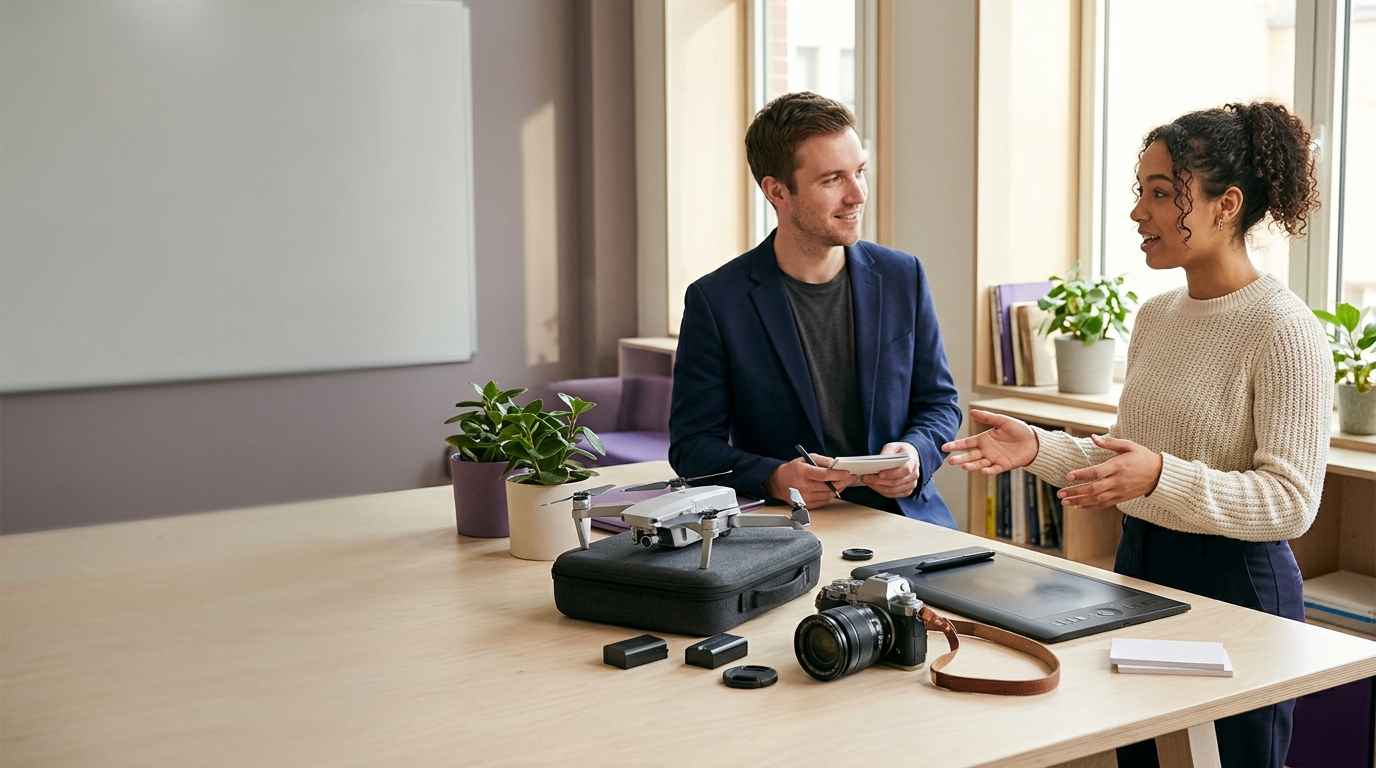
Thẻ gợi ý phần 2
Describe a piece of technology (not a phone) that you would like to own
Bạn nên nói:
- Nó là gì
- Nó có giá bao nhiêu
- Bạn sẽ sử dụng nó để làm gì
- Và giải thích lý do tại sao bạn muốn sở hữu nó
Bạn sẽ có một đến hai phút để nói về chủ đề này.
Đọc bản ghi đầy đủ
I'd like to own a dedicated e-ink tablet for reading and note-taking. It's essentially a lightweight tablet with a paper-like e-ink display that doesn't emit the harsh light of regular screens, so it feels much gentler on the eyes when you read for long periods. I imagine one about eight or nine inches across with decent stylus support so I can write neatly. A mid-range model usually costs between £300 and £450 depending on storage, front light and pen features; it sounds steep at first, but you could compare that with the cost of dozens of paperbacks over a year, and it often pays off for serious readers. Also, some people buy a protective folio or case which adds another cost. I'd use it for reading novels, working through academic papers and annotating PDFs, and for sketching quick diagrams during meetings or when I travel. For example, I get research articles for work that are much easier to work with when I can highlight and add margin notes, and carrying one device would save me time at airports. I want it because it gives the feel of paper while keeping digital convenience — no heavy bags full of books, instant search, and long battery life. Above all, the distraction-free interface would help me concentrate, which makes it a practical compromise between analogue and fully digital devices.
Trạng thái chuẩn bị: Dự đoán chu kỳ chủ đề. Tài nguyên thực hành độc lập này không phải là bài thi IELTS chính thức và các câu hỏi trong bài kiểm tra của bạn có thể khác nhau. Cách gắn nhãn chủ đề.
Câu hỏi thảo luận phần 3
Di chuyển từng câu hỏi một: nghe, trả lời, so sánh và thử lại. Văn bản câu hỏi hoàn chỉnh vẫn còn trong trang HTML để truy cập và tìm kiếm.
- 01What are the differences between the technology of the past and that of today?
- 02What technology do young people like to use?
- 03What are the differences between online and face-to-face communication?
- 04Do you think technology has changed the way people communicate?
- 05What negative effects does technology have on people's relationships?
- 06What are the differences between making friends in real life and online?
Xem chủ đề trước khi nói
Sử dụng hình ảnh làm gợi ý tưởng. Mô tả những gì bạn nhận thấy, kết nối nó với trải nghiệm của bạn, sau đó trả lời câu hỏi thực sự.
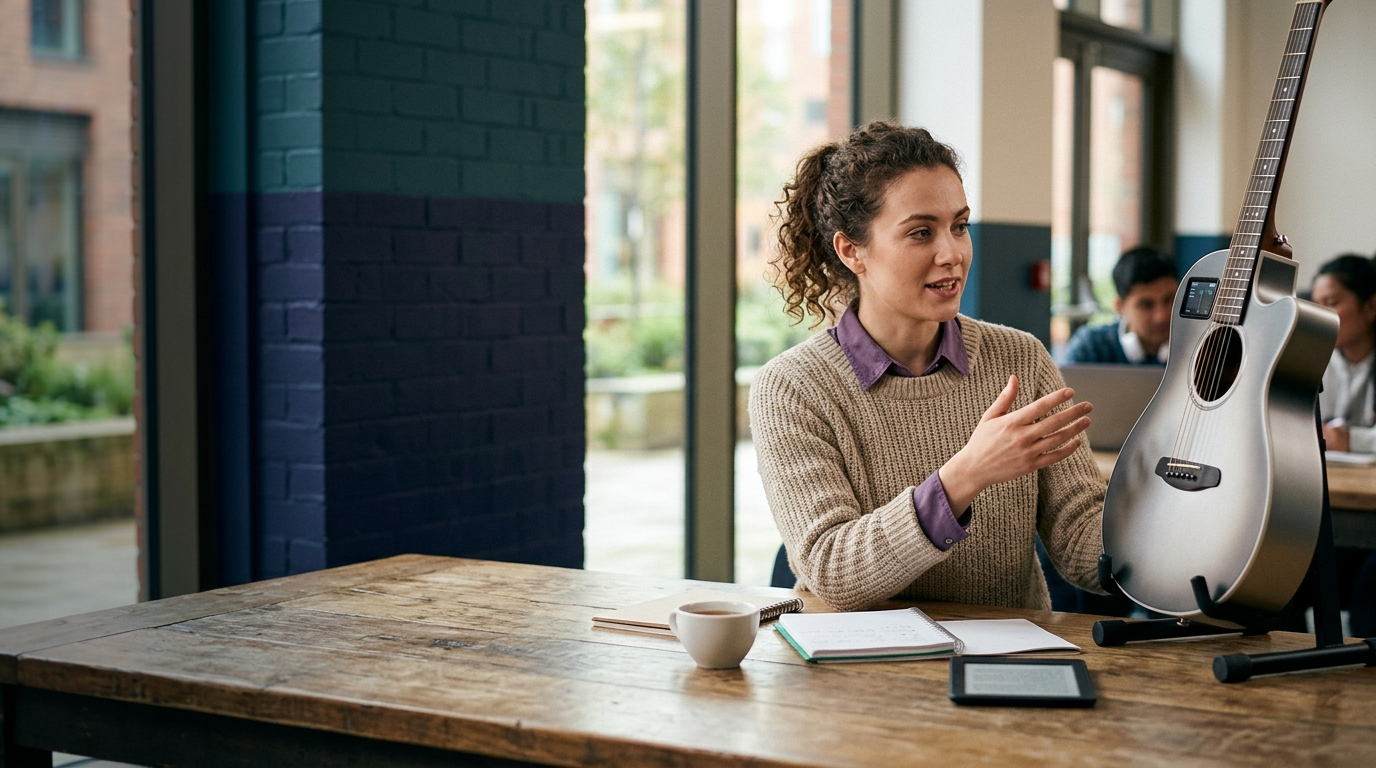

Những câu trả lời mẫu, được nghe cạnh nhau
Bắt đầu với câu trả lời đơn giản hơn, chuyển Band để nghe cách phát triển nhiệm vụ tương tự, sau đó ghi lại câu trả lời cá nhân. Đây là những ví dụ giảng dạy, không phải câu trả lời chính thức hoặc đảm bảo điểm số.
Phần 2 – Câu trả lời mẫu
Part 2 cue-card response
I would like to own an e-reader with an e-ink screen. It looks like a thin tablet but reads like a book, so it is easier on the eyes. I think a good size would be about eight inches so it is easy to hold.
It probably costs around £250 to £350 depending on the brand and whether it comes with a stylus. That is a bit expensive for me at the moment, but I could save up for it.
I would use it mainly for reading novels and study material, and for making short notes. I borrow a lot of books from the library and having them on one device would be handy. I could also highlight and save important parts.
I want it because I prefer reading on a page-like screen and I get tired using normal tablets. It would stop me from carrying heavy books and would help me study more comfortably.
I'd like to own a dedicated e-ink tablet for reading and note-taking. It's essentially a lightweight tablet with a paper-like e-ink display that doesn't emit the harsh light of regular screens, so it feels much gentler on the eyes when you read for long periods. I imagine one about eight or nine inches across with decent stylus support so I can write neatly.
A mid-range model usually costs between £300 and £450 depending on storage, front light and pen features; it sounds steep at first, but you could compare that with the cost of dozens of paperbacks over a year, and it often pays off for serious readers. Also, some people buy a protective folio or case which adds another cost.
I'd use it for reading novels, working through academic papers and annotating PDFs, and for sketching quick diagrams during meetings or when I travel. For example, I get research articles for work that are much easier to work with when I can highlight and add margin notes, and carrying one device would save me time at airports.
I want it because it gives the feel of paper while keeping digital convenience — no heavy bags full of books, instant search, and long battery life. Above all, the distraction-free interface would help me concentrate, which makes it a practical compromise between analogue and fully digital devices.
Phần 3 - Câu trả lời mẫu
What are the differences between the technology of the past and that of today?
Technology in the past was mostly mechanical and simple. Devices were bigger and slower, and they did just one job, like a radio or a film camera. Today technology is much faster, smaller and often does many jobs in one device. Also people can connect to the internet and share information instantly.
The biggest differences are speed, miniaturisation and connectivity. Older technology tended to be mechanical or analogue and designed for a single purpose, whereas modern devices are digital, much faster and often multi-functional — think of how a single gadget can now play music, take photos and access maps. Equally important is cloud connectivity: data is stored and shared online now, which changes how we back up and access information. For example, a portable cassette player has given way to streaming services on tiny devices that fit in your pocket.
What technology do young people like to use?
Young people like to use social media, games and streaming apps. They also use video apps and messaging a lot to stay in touch with friends. Many young people like gadgets like laptops and smartwatches for convenience.
Young people gravitate towards platforms and devices that enable content creation, social interaction and quick entertainment — social apps, short-form video, online games and streaming are very popular. They're also into wearables and smart speakers that make life a bit easier, and many enjoy tools for making videos or podcasts because it's a way to express themselves. In short, they favour tech that is social, fast and creative.
What are the differences between online and face-to-face communication?
Online communication is fast and you can talk to people anywhere, but it may feel less personal. Face-to-face communication lets you see body language and tone, which helps understanding. Online messages can be misunderstood because you don't see expressions.
Online and face-to-face communication differ in immediacy, richness and cues. Face-to-face has non-verbal signals — eye contact, gesture and tone — which convey meaning and build trust, while online communication, especially text-based, can be asynchronous and lacks those subtleties. That said, video calls sit somewhere in between, offering visual cues but still a different dynamic to being in the same room. The permanence of online posts also changes how careful people are with what they say.
Do you think technology has changed the way people communicate?
Yes, technology has changed how people communicate. We can contact anyone quickly and keep in touch across long distances. But sometimes messages are shorter and less thoughtful. People also use lots of emojis and short messages.
Definitely — technology has reshaped both the means and the expectations of communication. Instant messaging and social media have increased the speed and frequency of contact, which has made people expect quicker replies and more constant availability. It has also introduced new norms — for example, reacting with an emoji instead of writing a full response — and enabled remote collaboration that wasn't possible before. While this connects people across distance, it also puts pressure on attention and can reduce the depth of some exchanges.
What negative effects does technology have on people's relationships?
Technology can harm relationships by taking attention away from people. If someone uses a phone during dinner it can feel rude. It can also cause jealousy or arguments if people see messages they dislike. Spending too much time online can make people lonely.
Technology can damage relationships in several ways: it shifts attention away from present company, encourages superficial interactions and can encourage comparison through curated online profiles. For instance, incessant scrolling at family meals undermines connection, while social media can create unrealistic expectations that breed jealousy. In more extreme cases, addictive use of apps reduces face-to-face time and impairs the development of empathy and listening skills.
What are the differences between making friends in real life and online?
Making friends in real life feels more trustworthy because you see people's behaviour and expressions. Online it is easier to start talking because you can message first, but it can be less real and there is a risk people are not honest. Real-life friends meet and spend time together which builds trust.
Real-life and online friendships often differ in pace, depth and trust. Offline friendships usually develop through shared activities and repeated face-to-face interaction, which builds tacit understanding and reliability. Online friendships can form quickly around shared interests and are convenient, but they sometimes lack the non-verbal cues that create deeper bonds and can include a degree of anonymity that makes trust harder. That said, many online connections do evolve into meaningful offline friendships when people meet up from hobby groups or events.
Trạng thái thực hành: Chủ đề được lưu trữ từ chu kỳ ngân hàng câu hỏi trước đó. Nó vẫn hữu ích cho việc thực hành kỹ năng nhưng không được trình bày dưới dạng câu hỏi thi hiện tại hoặc được đảm bảo. Cách gắn nhãn chủ đề.
Cách trả lời Mô tả một thiết bị công nghệ (không phải điện thoại) mà bạn muốn sở hữu trong câu hỏi IELTS Nói
Đối với phần Mô tả một phần công nghệ (không phải điện thoại) mà bạn muốn sở hữu thẻ gợi ý, hãy sử dụng phút chuẩn bị để xây dựng lộ trình xuyên suốt buổi nói chuyện. Chọn một chủ đề rõ ràng, thêm hai khoảnh khắc hoặc chi tiết cụ thể và kết thúc bằng lý do tại sao nó quan trọng. Sau đó sử dụng các câu hỏi Phần 3 được liên kết để thực hành giải thích và so sánh rộng hơn.
Lời nhắc của thẻ Cue:
- Nó là gì
- Nó có giá bao nhiêu
- Bạn sẽ sử dụng nó để làm gì
- Và giải thích lý do tại sao bạn muốn sở hữu nó
- Mở đầu: xác định người, địa điểm, đồ vật hoặc sự kiện.
- Phát triển: mô tả hai chi tiết hoặc khoảnh khắc theo một trình tự hợp lý.
- Phần mở rộng: giải thích lý do, kết quả, so sánh hoặc vấn đề.
- Suy ngẫm: kết thúc bằng việc tại sao chủ đề lại đáng nhớ hoặc quan trọng.
Cách tiếp cận theo từng câu hỏi
| Câu hỏi thực hành | Câu trả lời hữu ích di chuyển |
|---|---|
| What are the differences between the technology of the past and that of today? | Đặt tên cho sự vật trước, sau đó mô tả một tính năng hoặc ví dụ cụ thể. |
| What technology do young people like to use? | Đặt tên cho sự vật trước, sau đó mô tả một tính năng hoặc ví dụ cụ thể. |
| What are the differences between online and face-to-face communication? | Đặt tên cho sự vật trước, sau đó mô tả một tính năng hoặc ví dụ cụ thể. |
| Do you think technology has changed the way people communicate? | Đưa ra một quan điểm có khả năng xảy ra, giải thích lý do và thêm một điều kiện hoặc ví dụ. |
Trọng tâm từ vựng
Ngôn ngữ hữu ích đã được trình bày trong các câu trả lời mẫu bao gồm miniaturisation, cloud, multi-functional, content creation, short-form video, wearable, non-verbal cues, asynchronous. Tìm hiểu từng nghĩa và cách kết hợp từ tự nhiên, sau đó sử dụng mục đó trong câu trả lời mới thay vì sao chép toàn bộ văn bản.
Những lỗi thường gặp cần tránh
- Đưa ra một câu trả lời thuộc lòng mà chỉ trả lời được một phần câu hỏi.
- Bổ sung từ vựng khó mà không cần kiểm tra nghĩa hoặc sắp xếp thứ tự.
- Khởi động lại sau mỗi lỗi thay vì sửa nhanh và tiếp tục.
- Đọc câu trả lời mẫu trước khi ghi lại lần thử đầu tiên của bạn.
Mô tả một phần công nghệ (không phải điện thoại) mà bạn muốn sở hữu. Câu hỏi thường gặp
Tôi nên sử dụng Mô tả một thiết bị công nghệ (không phải điện thoại) mà bạn muốn sở hữu như thế nào trong phút chuẩn bị thẻ gợi ý?
Viết từ khóa cho phần mở đầu, hai hoặc ba chi tiết và suy ngẫm cuối cùng. Đừng cố gắng viết câu hoàn chỉnh.
Tôi có phải che từng viên đạn của thẻ gợi ý không?
Những lời nhắc giúp bạn tổ chức cuộc nói chuyện. Bao gồm chúng là hữu ích, nhưng một phản hồi mạch lạc từ một đến hai phút quan trọng hơn việc đánh dấu từng dòng một cách máy móc.
Các câu hỏi của Phần 3 được kết nối với Phần 2 như thế nào?
Chúng phát triển cùng một chủ đề rộng thông qua các lý do, so sánh, hiệu ứng xã hội hoặc khả năng trong tương lai, vì vậy các câu trả lời thường cần được giải thích nhiều hơn Phần 1.
