
IELTS Nói Phần 2 & 3: Describe an occasion when you were not allowed to use your mobile phone
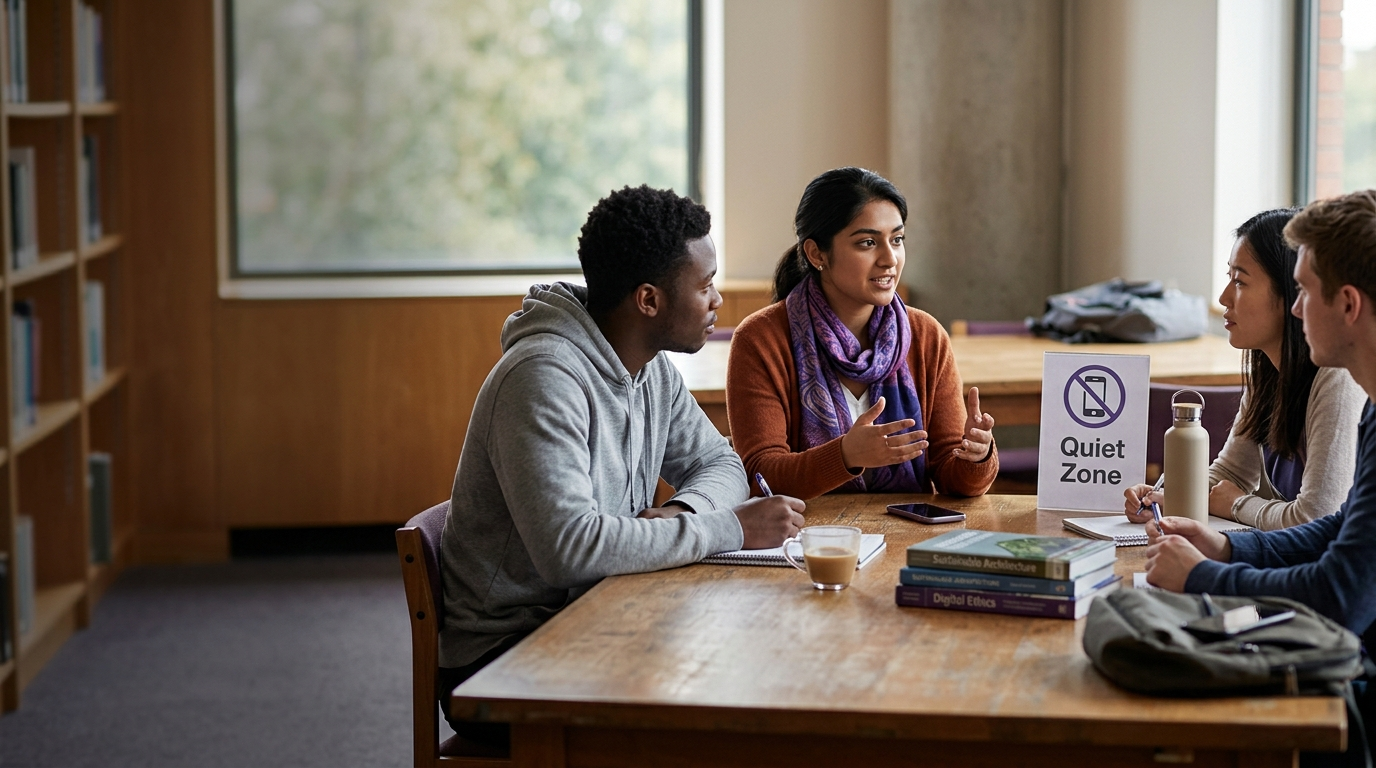
Thẻ gợi ý phần 2
Describe an occasion when you were not allowed to use your mobile phone
Bạn nên nói:
- Khi đó
- Nó ở đâu
- Tại sao bạn không được phép sử dụng điện thoại di động của mình
- Và bạn cảm thấy thế nào về điều đó
Bạn sẽ có một đến hai phút để nói về chủ đề này.
Đọc bản ghi đầy đủ
Last winter, during my final university exam period, there was one occasion when I wasn't allowed to use my mobile phone. It happened in December, in a big exam hall at my campus where students were sitting shoulder-to-shoulder. To be precise, it was the two-hour economics exam on a cold Monday morning. The invigilators made it clear before we started that phones had to be switched off and left in our bags at the front; they even asked us to turn pockets inside out. The reason was obvious: phones could be used to cheat or to communicate with others outside, and exam boards take academic integrity very seriously. I remember one student who forgot and had to hand his phone in – he looked embarrassed. Initially I felt uneasy because I use my phone to check the time and calm myself with music, but after a while I relaxed and focused on the paper. In fact, removing that tiny distraction helped me concentrate better and finish on time. Afterwards, I realised it was a useful exercise in self-control, even though at first it felt like a loss of freedom. Later I joked about it with friends, and we all agreed the no-phone rule is fair — it protects everyone and keeps exams credible.
Trạng thái chuẩn bị: Dự đoán chu kỳ chủ đề. Tài nguyên thực hành độc lập này không phải là bài thi IELTS chính thức và các câu hỏi trong bài kiểm tra của bạn có thể khác nhau. Cách gắn nhãn chủ đề.
Câu hỏi thảo luận phần 3
Di chuyển từng câu hỏi một: nghe, trả lời, so sánh và thử lại. Văn bản câu hỏi hoàn chỉnh vẫn còn trong trang HTML để truy cập và tìm kiếm.
- 01How do young and old people use mobile phones differently?
- 02What positive and negative impact do mobile phones have on friendship?
- 03Is it a waste of time to take pictures with mobile phones?
- 04Do you think it is necessary to have laws on the use of mobile phones?
- 05What are examples of good and poor phone manners?
- 06How does the internet benefit people?
Xem chủ đề trước khi nói
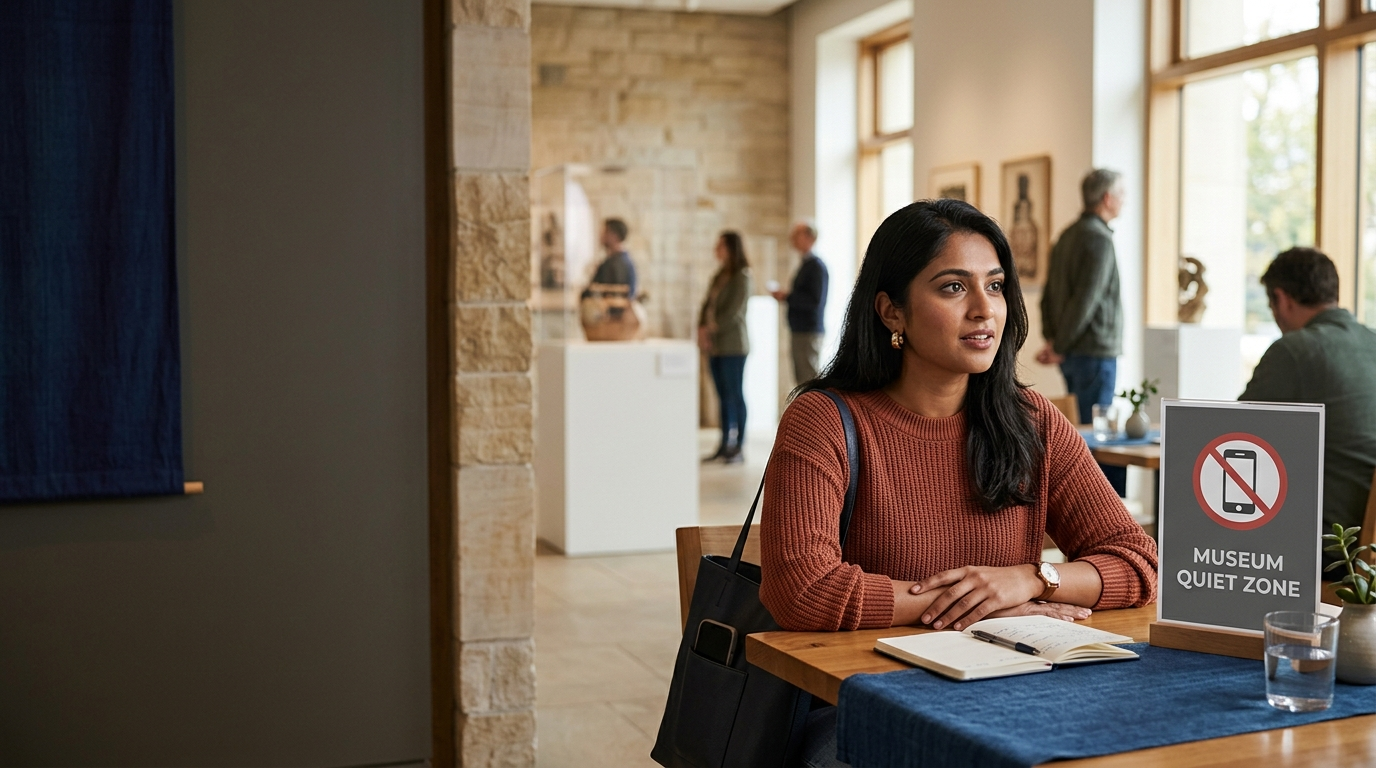
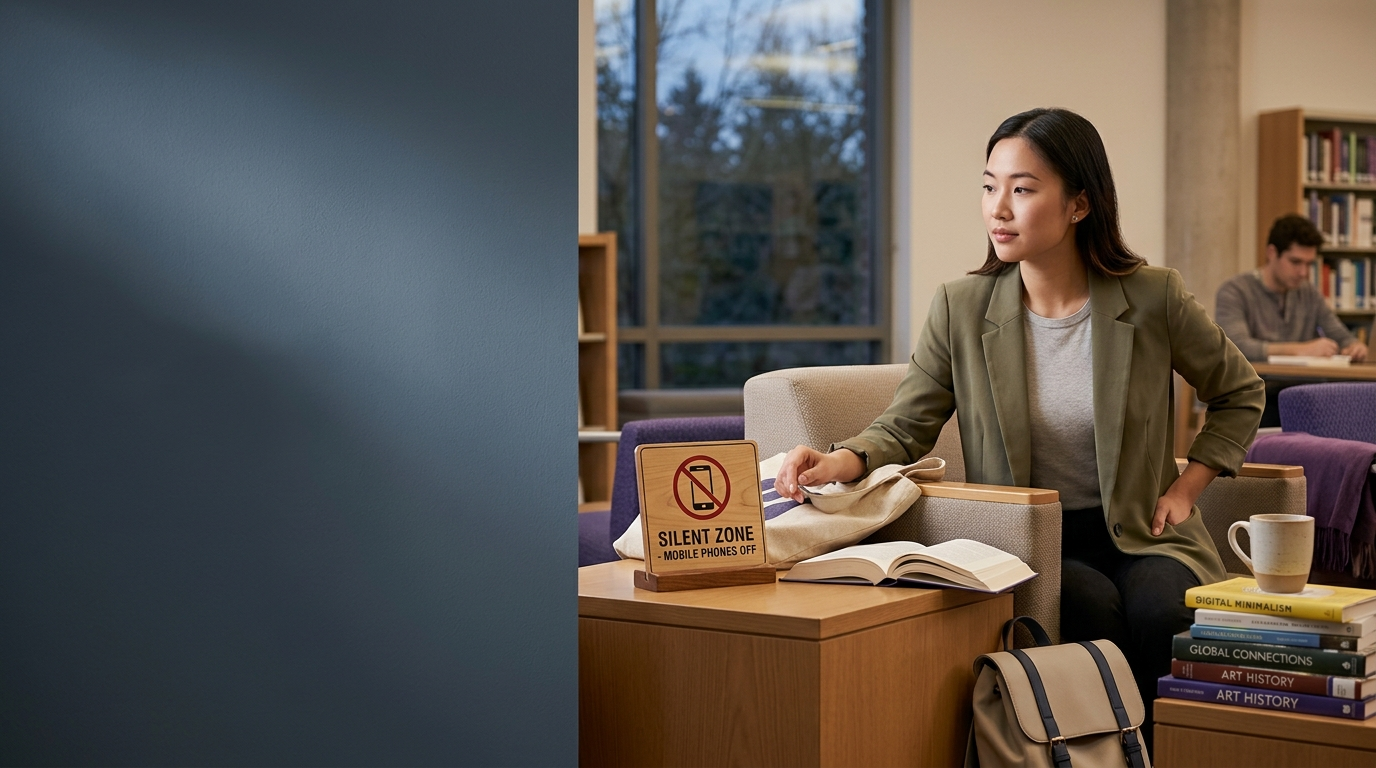
Sử dụng hình ảnh làm gợi ý tưởng. Mô tả những gì bạn nhận thấy, kết nối nó với trải nghiệm của bạn, sau đó trả lời câu hỏi thực sự.
Những câu trả lời mẫu, được nghe cạnh nhau
Bắt đầu với câu trả lời đơn giản hơn, chuyển Band để nghe cách phát triển nhiệm vụ tương tự, sau đó ghi lại câu trả lời cá nhân. Đây là những ví dụ giảng dạy, không phải câu trả lời chính thức hoặc đảm bảo điểm số.
Phần 2 – Câu trả lời mẫu
Part 2 cue-card response
A few months ago I had to leave my phone in my bag during a job interview. It was at the company office in the city centre, in a small meeting room. The interviewer told me at the start that phones should be switched off so we could focus. They said it was professional and they didn’t want distractions. I felt a bit nervous because I like to check messages, but I understood why. After a few minutes I relaxed and concentrated on the questions, and the interview went well.
Last winter, during my final university exam period, there was one occasion when I wasn't allowed to use my mobile phone. It happened in December, in a big exam hall at my campus where students were sitting shoulder-to-shoulder. To be precise, it was the two-hour economics exam on a cold Monday morning. The invigilators made it clear before we started that phones had to be switched off and left in our bags at the front; they even asked us to turn pockets inside out. The reason was obvious: phones could be used to cheat or to communicate with others outside, and exam boards take academic integrity very seriously. I remember one student who forgot and had to hand his phone in – he looked embarrassed. Initially I felt uneasy because I use my phone to check the time and calm myself with music, but after a while I relaxed and focused on the paper. In fact, removing that tiny distraction helped me concentrate better and finish on time. Afterwards, I realised it was a useful exercise in self-control, even though at first it felt like a loss of freedom. Later I joked about it with friends, and we all agreed the no-phone rule is fair — it protects everyone and keeps exams credible.
Phần 3 - Câu trả lời mẫu
How do young and old people use mobile phones differently?
Young people often use phones for social media, videos and games. They message friends and post photos. Older people tend to use phones to call, text or for simple apps, and they may be less confident with new features. There is some overlap though, like video calls with family.
Younger people typically treat their phones as multi-purpose devices: social media, short videos, gaming and organising their social lives. It’s part of their identity and how they keep up with friends. Older generations more often use phones for practical tasks — calling family, checking news, or health apps — and sometimes choose simpler models. Of course many older people are tech-savvy now, but overall the pattern is that young people multitask and older people prioritise functionality.
What positive and negative impact do mobile phones have on friendship?
Phones help friends stay in touch and share photos, which is good. But they can also cause problems like misunderstandings, jealousy or people ignoring each other in person. So there are both positive and negative effects.
Mobile phones have strengthened friendships by making it easy to keep in contact across distance, share support during tough times and organise meet-ups quickly. They also let people maintain daily small talk that keeps relationships alive. On the downside, communication can become superficial — a stream of messages without real depth — and things like ghosting or public posts can cause conflict. In short, phones are a useful tool but they can also create new kinds of friction.
Is it a waste of time to take pictures with mobile phones?
Taking pictures with phones is not always a waste. It helps remember moments and share them. But sometimes people take too many photos and miss the moment. It depends how you use it.
I wouldn't call it a waste of time in general. Photographing moments can preserve memories, help with creative hobbies and even serve practical purposes like recording notes or receipts. However, there’s a trade-off: if you spend an event filming every minute you may miss the experience itself — for example, watching a concert through a screen rather than your own eyes. Moderation is key, and being selective makes photos more meaningful.
Do you think it is necessary to have laws on the use of mobile phones?
Yes, I think some laws are necessary. For example, phones should not be used while driving. There should also be rules in schools and certain workplaces. Laws help keep people safe.
I do think sensible laws are necessary, especially where safety is concerned — the ban on handheld phones while driving is a good example because it reduces accidents. Regulations are also useful in places like hospitals and aeroplanes where interference or distraction can be harmful. That said, laws must be balanced with personal freedom and be enforceable; overly strict rules that are ignored do more harm than good.
What are examples of good and poor phone manners?
Good phone manners are putting your phone on silent, not taking loud calls in public, and not texting in the middle of conversations. Poor manners include speaking loudly, constantly checking the screen and using phones at the table.
Good phone etiquette includes simple things: switching to silent in public, quickly stepping aside for a call, replying to messages at an appropriate time and asking permission before taking photos of others. Poor manners are more intrusive: loud calls on public transport, scrolling through your phone during a meal or meeting, or filming people without consent. Small gestures like a brief apology when you need to use your phone can make a big difference.
How does the internet benefit people?
The internet helps people find information, communicate, shop and study. It makes life easier and gives access to services like banking. But not everyone has good access.
The internet has transformed how people access knowledge, work and services: you can learn online, see a doctor via telemedicine, work remotely and access government services from home. It also enables social connection and new business models. However, benefits are uneven because of the digital divide, and there are downsides like misinformation and privacy risks. Overall it’s hugely beneficial, provided we tackle access and safety issues.
Trạng thái thực hành: Chủ đề được lưu trữ từ chu kỳ ngân hàng câu hỏi trước đó. Nó vẫn hữu ích cho việc thực hành kỹ năng nhưng không được trình bày dưới dạng câu hỏi thi hiện tại hoặc được đảm bảo. Cách gắn nhãn chủ đề.
Cách trả lời Mô tả một trường hợp bạn không được phép sử dụng điện thoại di động Câu hỏi Nói IELTS
Đối với phần Mô tả một trường hợp mà bạn không được phép sử dụng thẻ gợi ý trên điện thoại di động, hãy sử dụng phút chuẩn bị để xây dựng lộ trình xuyên suốt cuộc nói chuyện. Chọn một chủ đề rõ ràng, thêm hai khoảnh khắc hoặc chi tiết cụ thể và kết thúc bằng lý do tại sao nó quan trọng. Sau đó sử dụng các câu hỏi Phần 3 được liên kết để thực hành giải thích và so sánh rộng hơn.
Lời nhắc của thẻ Cue:
- Khi đó
- Nó ở đâu
- Tại sao bạn không được phép sử dụng điện thoại di động của mình
- Và bạn cảm thấy thế nào về điều đó
- Mở đầu: xác định người, địa điểm, đồ vật hoặc sự kiện.
- Phát triển: mô tả hai chi tiết hoặc khoảnh khắc theo một trình tự hợp lý.
- Phần mở rộng: giải thích lý do, kết quả, so sánh hoặc vấn đề.
- Suy ngẫm: kết thúc bằng việc tại sao chủ đề lại đáng nhớ hoặc quan trọng.
Cách tiếp cận theo từng câu hỏi
| Câu hỏi thực hành | Câu trả lời hữu ích di chuyển |
|---|---|
| How do young and old people use mobile phones differently? | Mô tả quá trình hoặc sự khác biệt theo một thứ tự rõ ràng và thêm kết quả. |
| What positive and negative impact do mobile phones have on friendship? | Đặt tên cho sự vật trước, sau đó mô tả một tính năng hoặc ví dụ cụ thể. |
| Is it a waste of time to take pictures with mobile phones? | Trả lời trực tiếp, đưa ra lý do và thêm một chi tiết cá nhân tự nhiên. |
| Do you think it is necessary to have laws on the use of mobile phones? | Đưa ra một quan điểm có khả năng xảy ra, giải thích lý do và thêm một điều kiện hoặc ví dụ. |
Trọng tâm từ vựng
Ngôn ngữ hữu ích đã được trình bày trong các câu trả lời mẫu bao gồm multitask, tech-savvy, prioritise, ghosting, superficial, maintain contact, preserve memories, trade-off. Tìm hiểu từng nghĩa và cách kết hợp từ tự nhiên, sau đó sử dụng mục đó trong câu trả lời mới thay vì sao chép toàn bộ văn bản.
Những lỗi thường gặp cần tránh
- Đưa ra một câu trả lời thuộc lòng mà chỉ trả lời được một phần câu hỏi.
- Bổ sung từ vựng khó mà không cần kiểm tra nghĩa hoặc sắp xếp thứ tự.
- Khởi động lại sau mỗi lỗi thay vì sửa nhanh và tiếp tục.
- Đọc câu trả lời mẫu trước khi ghi lại lần thử đầu tiên của bạn.
Mô tả một trường hợp bạn không được phép sử dụng điện thoại di động. Câu hỏi thường gặp
Tôi nên sử dụng phần Mô tả một dịp khi bạn không được phép sử dụng phút chuẩn bị thẻ gợi ý trên điện thoại di động như thế nào?
Viết từ khóa cho phần mở đầu, hai hoặc ba chi tiết và suy ngẫm cuối cùng. Đừng cố gắng viết câu hoàn chỉnh.
Tôi có phải che từng viên đạn của thẻ gợi ý không?
Những lời nhắc giúp bạn tổ chức cuộc nói chuyện. Bao gồm chúng là hữu ích, nhưng một phản hồi mạch lạc từ một đến hai phút quan trọng hơn việc đánh dấu từng dòng một cách máy móc.
Các câu hỏi của Phần 3 được kết nối với Phần 2 như thế nào?
Chúng phát triển cùng một chủ đề rộng thông qua các lý do, so sánh, hiệu ứng xã hội hoặc khả năng trong tương lai, vì vậy các câu trả lời thường cần được giải thích nhiều hơn Phần 1.
