
IELTS Speaking Part 1 Topics and Questions
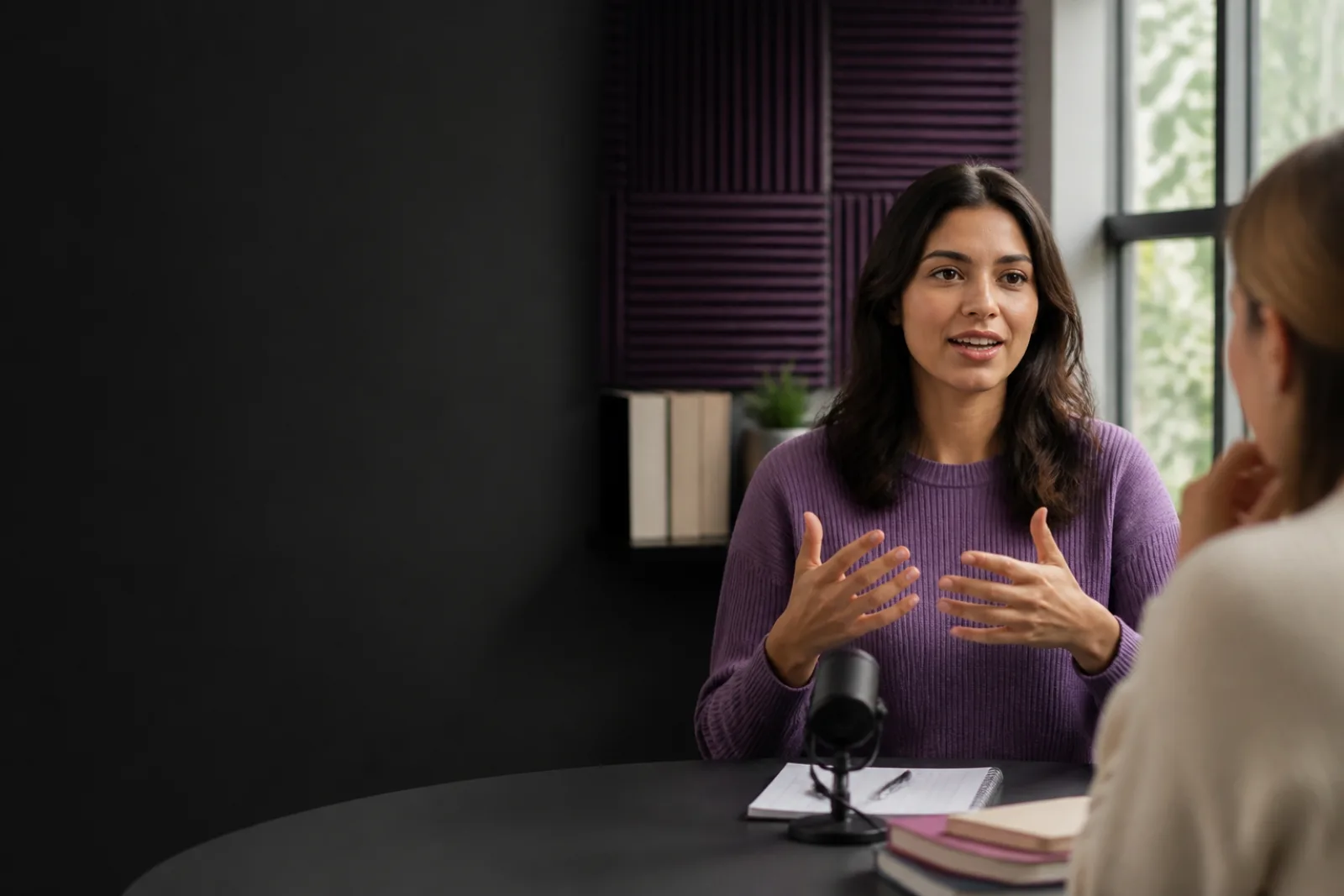
Part 1 lasts about four to five minutes and focuses on familiar subjects. Start with an essential evergreen guide or open a current-cycle topic to practise concise, natural answers, compare Band 6 and Band 7 examples, and learn useful vocabulary.
Collection: 9.12-9.21 Predicted · Updated 2026-09-17
Preparation status: Dated predicted practice collection. This independent practice resource is not an official IELTS paper, and the questions in your test can be different. How topics are labelled.
- Home & AccommodationEssential evergreen guide · 8 questions
- Rubbish and recycling4 Part 1 questions
- Politeness4 Part 1 questions
- Paper5 Part 1 questions
- Fruit and vegetables5 Part 1 questions
- Clothing6 Part 1 questions
- Jokes & Comedies5 Part 1 questions
- Headphones5 Part 1 questions
- Tidiness4 Part 1 questions
- Parks4 Part 1 questions
- Travelling2 Part 1 questions
- Walking5 Part 1 questions
- Shoes4 Part 1 questions
- Outer space and stars4 Part 1 questions
- Singing6 Part 1 questions
- Electronic devices/Technology6 Part 1 questions
- Shopping7 Part 1 questions
- Morning Routines5 Part 1 questions
- Websites7 Part 1 questions
- Cars6 Part 1 questions
- Watch4 Part 1 questions
- Computers4 Part 1 questions
- Good view4 Part 1 questions
- Teacher4 Part 1 questions
- Movies4 Part 1 questions
IELTS Speaking Part 1 format and timing
Part 1 is the opening interview and normally lasts four to five minutes. After identity checks, the examiner asks about familiar areas such as your home, work or studies, routines, preferences and experiences. It is the same Speaking test for Academic and General Training candidates. The questions are not testing specialist knowledge; they give you a chance to show that you can respond directly and develop short answers naturally.
The examiner controls the pace, so some topics may contain only a few questions before the interview moves on. Do not interpret that as a score signal. Listen to the exact tense and scope of each question, answer it first, and then add one useful detail.
How long should a Part 1 answer be?
Two to four sentences is a useful practice range, not an official rule. A strong short answer often follows answer → reason → detail. For example, a preference question can be answered with the preference, why it suits you and one small real-life example. A past-experience question needs the event first, followed by what happened or what you learned.
One-word answers reveal too little language, but a long memorised speech can also be counterproductive. If the answer is complete, stop naturally. The examiner has more questions to cover and may interrupt only to maintain the test timing.
Common Part 1 question types
| Question type | Useful structure | What to avoid |
|---|---|---|
| Preference | Choice + reason + example | Listing several unrelated likes |
| Habit or frequency | Frequency + situation + change or exception | Giving a number with no context |
| Past experience | Event + detail + reaction | Using only present tense |
| Future or hypothetical | Likely answer + reason + condition | Trying to predict with certainty |
Band 6 to Band 7: what changes?
A stronger answer is not simply longer. Compared with an adequate response, it usually develops the idea more smoothly, chooses more precise language and varies sentence structure with better control. It also sounds personally plausible rather than assembled from stock phrases. Use the paired model answers on each topic page to identify one difference at a time, then make a fresh recording in your own words.
How to use a current-topic list without memorising it
Group the questions by language function rather than trying to store an answer for every topic. Preferences need a choice and reason; past-experience questions need a specific moment; habit questions need frequency and context; future questions need probability and a condition. When a new topic appears, the same answer moves still apply.
Use a three-pass routine. On the first pass, answer unfamiliar questions cold and save the recording. On the second, review the model comparison and collect only two or three useful phrases. On the third, answer the same questions in a different order without looking at notes. This preserves spontaneity while turning feedback into reusable language.
Do not judge a topic as “easy” because you have seen it before. Familiarity can hide memorised wording and reduce listening accuracy. Ask a partner to change one word in the question—past to future, individual to society, like to dislike—and check whether you can still respond directly.
Part 1 mistakes that limit useful practice
- Reading model answers before attempting the question aloud.
- Forcing idioms or rare words that do not fit the context.
- Beginning every answer with the same memorised connector.
- Ignoring tense changes between “do you”, “did you” and “would you”.
- Restarting after small errors instead of correcting briefly and continuing.
A 15-minute Part 1 practice session
- Choose two unfamiliar topics and answer ten questions without notes.
- Listen once for relevance and fluency; mark only pauses that break the message.
- Transcribe two answers and correct repeated grammar or vocabulary problems.
- Record those two answers again using the same ideas but no script.
- Write one priority for the next session, such as past tense or direct openings.
Part 1 FAQ
Are current Part 1 topics guaranteed to appear?
No. Third-party current or predicted collections are preparation resources, not official papers. Use them for breadth and transferable answer skills.
Can I ask the examiner to repeat a question?
If you genuinely did not hear it, ask naturally. Repeatedly requesting explanations can interrupt the flow, so practise listening to varied wording.
Should I use idioms in every answer?
No. Natural, accurate language is more valuable than forced idioms. Use an expression only when it fits the meaning and your normal speaking style.
